Why Dot & Key Waited Until ₹300 Cr Revenue Before Going Offline
Online-first skincare brand Dot & Key waited until it had reached ₹250 Cr to ₹300 Cr in revenue and established…
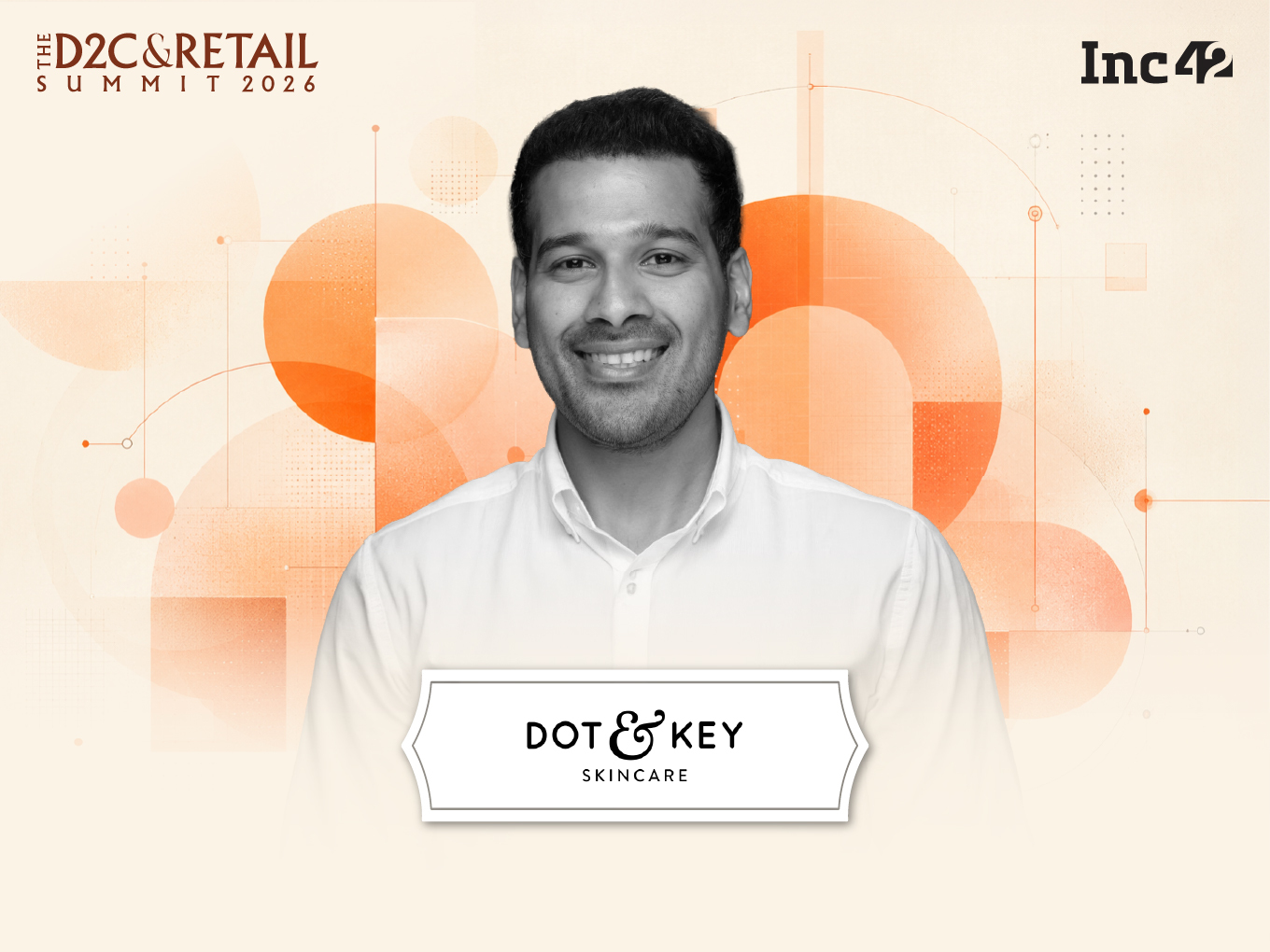
Dot & Key, an online-first skincare brand, decided to go offline only after attaining a revenue range of ₹250 Cr to ₹300 Cr and establishing category leadership in the digital space, according to co-founder and CEO Suyash Saraf. During a panel discussion at Inc42's 'The D2C & Retail Summit 2026', Saraf emphasized the importance of building consumer demand and brand recall online before investing in offline retail.
He stated, "Building mental availability before going offline is critical." Saraf added that by developing sufficient scale and category leadership online, Dot & Key could enter physical retail with existing consumer awareness, rather than relying solely on stores to generate demand. The brand has since adopted an omnichannel model, leveraging quick commerce to bridge the gap between online discovery and offline consumption.
This shift towards offline expansion is part of a broader trend among online-first consumer brands looking to broaden their addressable market beyond ecommerce. Another panelist, Nothing cofounder and India president Akis Evangelidis, shared that the smartphone maker has increased its retail presence from 4,000 stores to 15,000 stores as its audience and marketing mix have evolved.
He noted that not going offline would represent an opportunity cost and that Nothing is opening its own stores to provide consumers with a hands-on experience of its products. The decision to expand offline depends heavily on the category, with some brands, like Lahori Zeera, having begun with offline distribution back in 2017. Lahori Zeera now produces 1.2 Cr bottles a day and collaborates with over 3,000 distributors across 18-19 states.
To maintain its network, the company uses sales force automation to replenish retail outlets, monitor sales trends, and manage inventory movement. Additionally, it prevents online platforms from listing its products at prices below a certain threshold to protect its general trade network. In the luxury fashion category, distribution is more reliant on consumer trust and service standards.
Aza Fashions MD Devangi Nishar Parekh explained that customers are less likely to spend ₹40,000-₹50,000 on an outfit online unless they have confidence in the platform and its fulfilment capabilities. For Aza Fashions, social media plays a significant role in building trust, while timely delivery, product accuracy, and packaging are vital for retaining customers.
The conversation highlighted that consumer brands cannot follow a one-size-fits-all distribution strategy. For online-first companies such as Dot & Key and Nothing, offline expansion follows the establishment of digital demand, while traditional offline categories continue to prioritize retailer economics and product movement.
Written by urgent.news from Inc42's reporting — not their text. Machine-written — may contain errors; check the original before relying on it.