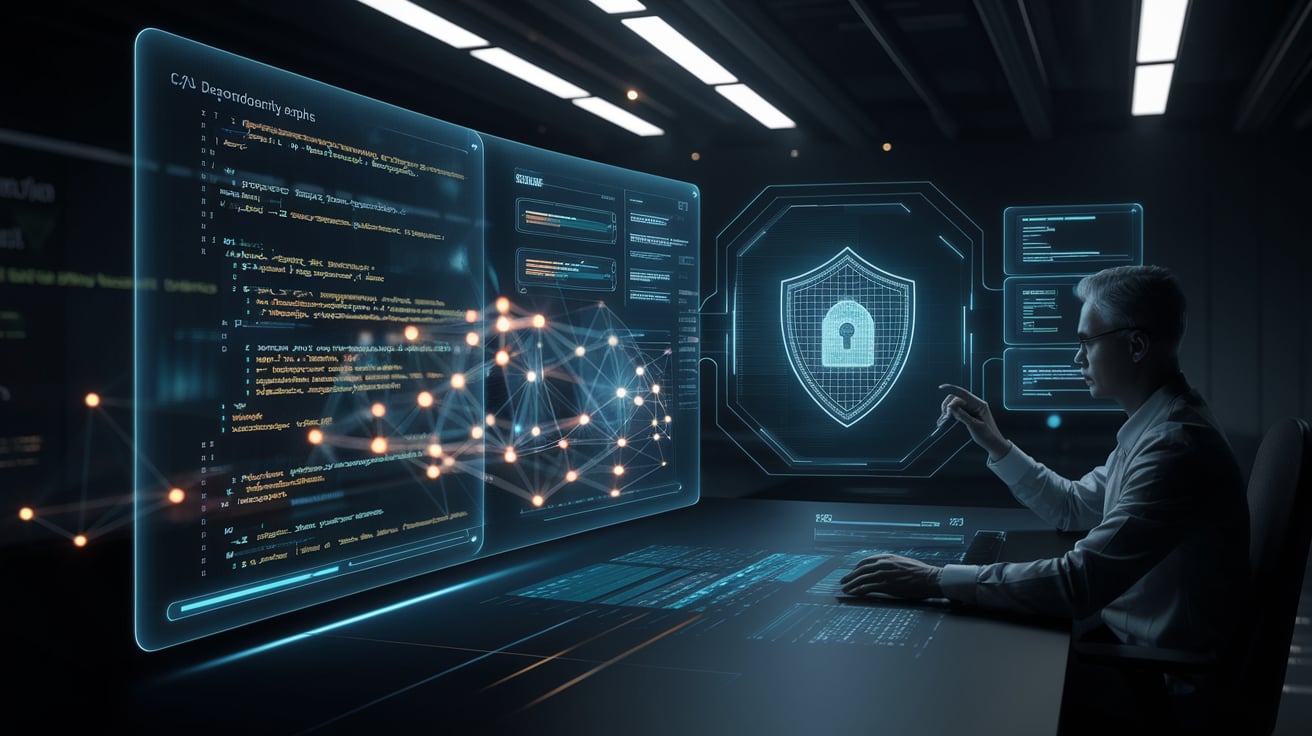
Why connectivity and cybersecurity can’t be treated separately
Magnet Plus’s Patrick Masterson discusses why now is the time to engage in a combined network and security strategy to ensure business continuity and maintain customer trust. Read more: Why connectivity and cybersecurity can’t be treated separately

In the business world today, connecting securely has become a critical priority, with cybersecurity and network stability no longer confined to separate conversations. Patrick Masterson, managing director at Irish telecoms and broadband provider Magnet Plus, highlights the growing threat posed by distributed denial of service (DDoS) attacks, which account for 77% of reported cybersecurity incidents across the EU, according to the European Union Agency for Cybersecurity Threat Landscape 2025.
These disruptive attacks overwhelm a company's internet-facing network infrastructure with excessive traffic, slowing down online services and potentially rendering them unavailable. The consequences can be significant, impacting revenue, customer confidence, and business reputation. Even a brief downtime can lead to severe financial and operational losses.
The risk of DDoS attacks is expected to rise in Ireland due to the country's upcoming EU presidency. These attacks can target various sectors, including online retailers, banks, gaming companies, and government entities, causing severe reputational damage and financial harm.
To mitigate this risk, organizations must shift their mindset and start treating connectivity and cybersecurity as an integrated approach. Connectivity should not only focus on delivering faster speeds but also on withstanding disruption. Key questions now include whether critical systems can remain online during unexpected events, if employees can continue working if demand suddenly spikes, and if customer-facing applications remain available during malicious activity.
Dedicated internet access (DIA) services, which provide private connections with uncontended bandwidth, symmetrical speeds, and guaranteed performance, are increasingly being adopted to protect business-critical applications from DDoS attacks. By combining DIA with always-on DDoS protection, organizations can continuously monitor network traffic, identify malicious activity in real time, and automatically mitigate attacks before they impact services.
Ultimately, the goal is not just to prevent cyberattacks but to ensure business continuity, maintain customer trust, protect employee productivity, and guarantee the availability of essential digital services. As DDoS attacks become more frequent and organizations become increasingly dependent on digital services, resilience must be built into networks, ensuring they are not only fast but also secure, available, and capable of maintaining continuity.
Written by urgent.news from Silicon Republic's reporting — not their text. Machine-written — may contain errors; check the original before relying on it.