Why Afghanistan celebrates its Independence Day on August 19
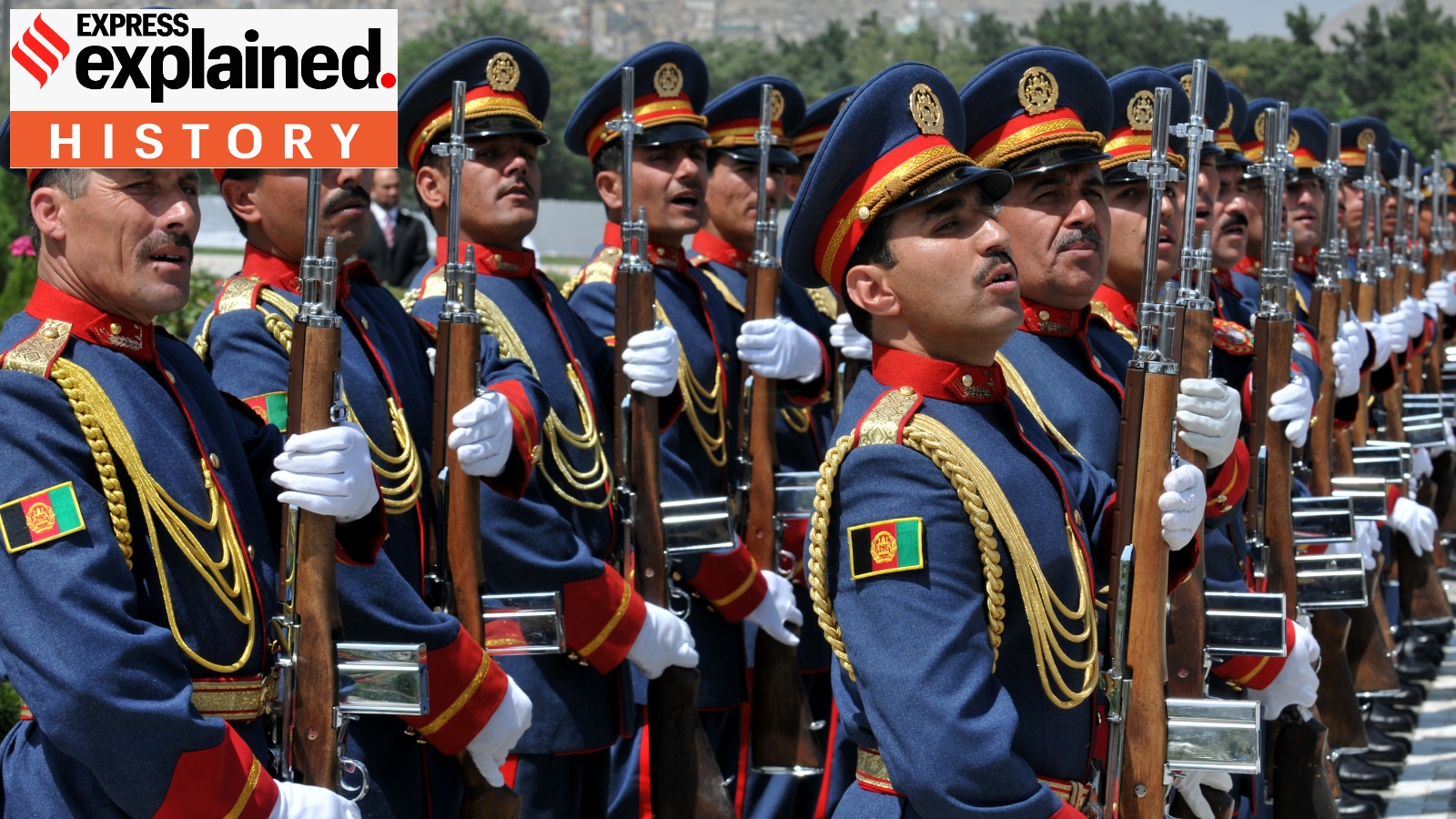
On August 19 of each year, celebrations and festivities take place in Kabul and throughout Afghanistan. In 1919, Afghanistan secured its independence from British control, as evidenced by the signing of the Treaty of Rawalpindi on August 8, 1919. This treaty marked the recovery of Afghanistan's foreign affairs autonomy following the Third Anglo-Afghan War.
The 11-day difference between the signing of the treaty and the country's Independence Day stems from Amanullah Khan's decision to celebrate Afghanistan's sovereignty on a separate date. This distinction underscored the triumph of an Asian Muslim state against the might of a dominant imperial power. Following the treaty, King Amanullah Khan spearheaded modernization efforts in Afghanistan.
These included establishing the country's first railway line in 1922, granting women the right to vote in 1919, and introducing a constitution in 1923. Nonetheless, the Durand Line, a 2,600-kilometer border dividing British India and Afghanistan, remains unresolved. This frontier dates back to 1893 when Amir Abdur Rahman Khan and Sir Mortimer Durand delineated British India's sphere of influence from Afghanistan's territory.
While the 1919 treaty recognized the border arrangement, it did not resolve the exact nature of the line. Consequently, Afghanistan considers the Abaseen River as its rightful border. The border dispute between Afghanistan and Pakistan has evolved from a conventional security matter into a humanitarian concern. Pakistan has erected fences along the Durand Line, while Afghanistan objects to these actions.
Tensions escalated in February 2026 with a significant border clash, which has persisted ever since.
Written by urgent.news from The Indian Express's reporting — not their text. Machine-written — may contain errors; check the original before relying on it.