When the hand of AI falls on medicine
On AI’s ability to design viruses, what happens when nature turns off genes, developments in cancer care, nutrition, and more
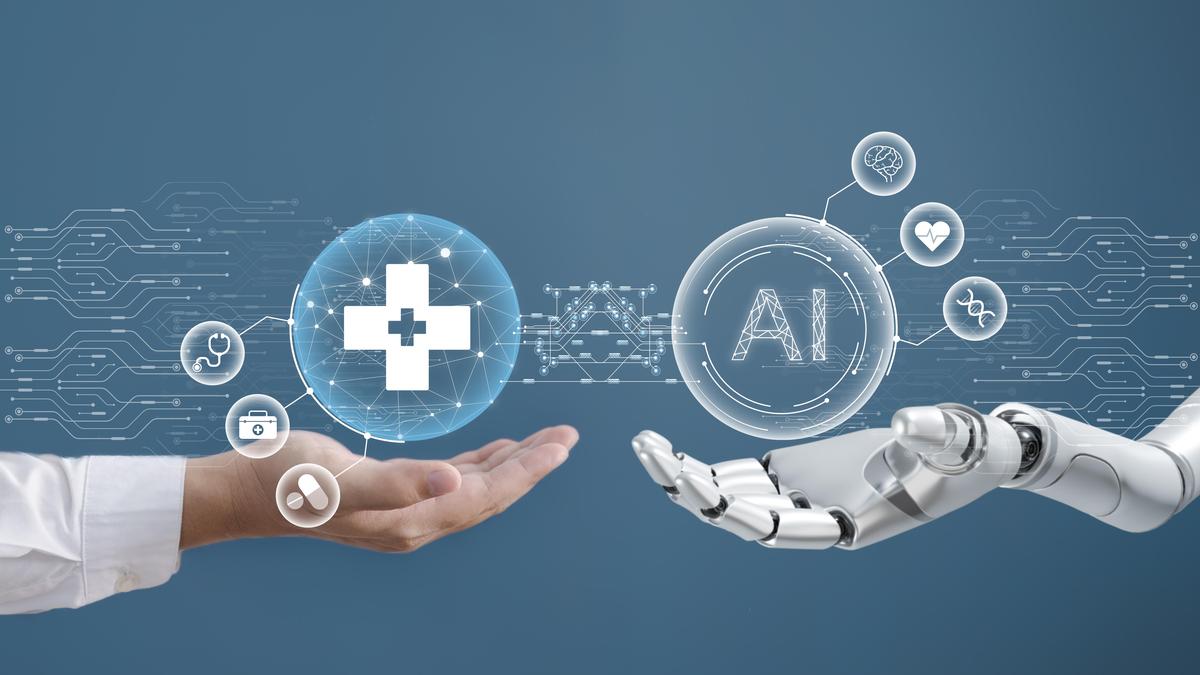
Over the past week, various developments unfolded in the healthcare domain that captured significant attention. One of the most noteworthy advancements was the use of artificial intelligence (AI) in designing viruses, specifically bacteriophages. Researchers at Stanford utilized AI to generate, rather than create, these virus-like entities - biological designs that scientists could physically construct.
While the AI did not produce a functioning virus, its role in determining the virus's genome could have profound implications for medicine and biosecurity. In the field of cardiology, AI tools that predict heart disease show promise but are not yet ready for clinical use. These tools demonstrate good potential for risk discrimination, but further research is needed to validate the accuracy of predicted risks across diverse populations.
In genetics, researchers explored the concept of gene silencing by studying nature's approach to switching off human genes. By examining a study from Pakistan, the authors drew parallels between the human genome and an extensive instruction manual, composed of 23 pairs of chromosomes and DNA letters (A, T, G, and C). The instructions within this manual, known as genes, contain the information required for building, maintaining, and functioning of the body.
From genetics to cancer treatment, another story highlighted the nationwide shortage of two key chemotherapy drugs, cisplatin and carboplatin, in India. The shortage was primarily attributed to rising global platinum raw material costs, disruptions in the West Asia shipping route, and domestic price caps. Government hospitals managed to stabilize supplies in some states, but private hospitals continued to face shortages, leading to interruptions or delays in life-saving treatment.
Consequently, the government temporarily raised the ceiling rates for these drugs by 50% to facilitate the resumption of domestic manufacturing. Lastly, the Supreme Court of India mandated that 19 States and Union Territories declare cancer as a 'notifiable disease' to encourage early detection. This directive was prompted by the fact that only 17 out of the 36 States and UTs had notified cancer as a notifiable disease, as per a parliamentary standing committee report.
Written by urgent.news from The Hindu Health's reporting — not their text. Machine-written — may contain errors; check the original before relying on it.
Also reported by 1 other outlet
- When the hand of AI falls on medicine thehindu.com