When corruption resonated in Tamil Nadu political discourse till mid-1970s
Though corruption has been a subject of the discussion since 1950s, it acquired greater proportion after the DMK captured power in 1967
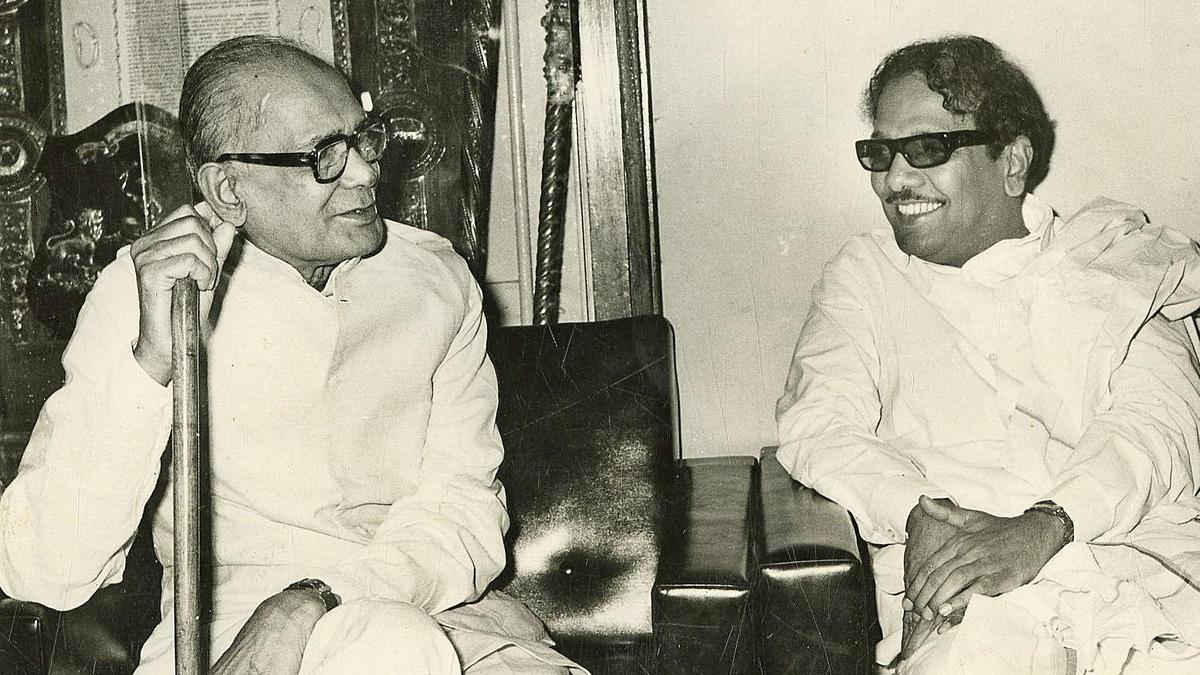
In the mid-1970s, corruption remained a contentious issue in Tamil Nadu's political discourse. The DMK regime, led by Chief Minister C.N. Annadurai, faced legal action for alleged maladministration, corruption, and misuse of power. The Union government dissolved the Tamil Nadu Legislative Assembly and imposed President's rule in the state in January 1976.
This culminated a series of events centered around corruption allegations against the DMK regime over five years. The DMK's treasurer, M.G. Ramachandran (MGR), left the party in October 1972 due to corruption concerns, while another colleague, Sathyavani Muthu, became an outspoken critic of the party during her tenure as Harijan Welfare Minister.
The DMK government introduced a legislative measure, the Tamil Nadu Public Men (Criminal Misconduct) Bill, in January 1974 to tackle the issue, but it received President V.V. Giri's assent without linking it to the recent corruption allegations. Despite facing charges of corruption and irregularities, the DMK government maintained its stance that it was not afraid to face such accusations. The DMK's rule ended in 1976 due to the President's rule imposed in the state.
Written by urgent.news from The Hindu's reporting — not their text. Machine-written — may contain errors; check the original before relying on it.