When AI-generated images on food delivery platforms and menus make you lose your appetite
AUGUST 19 — I get it. It’s hard to be in the F&B business with the overhead, cash-strapped customers and del...
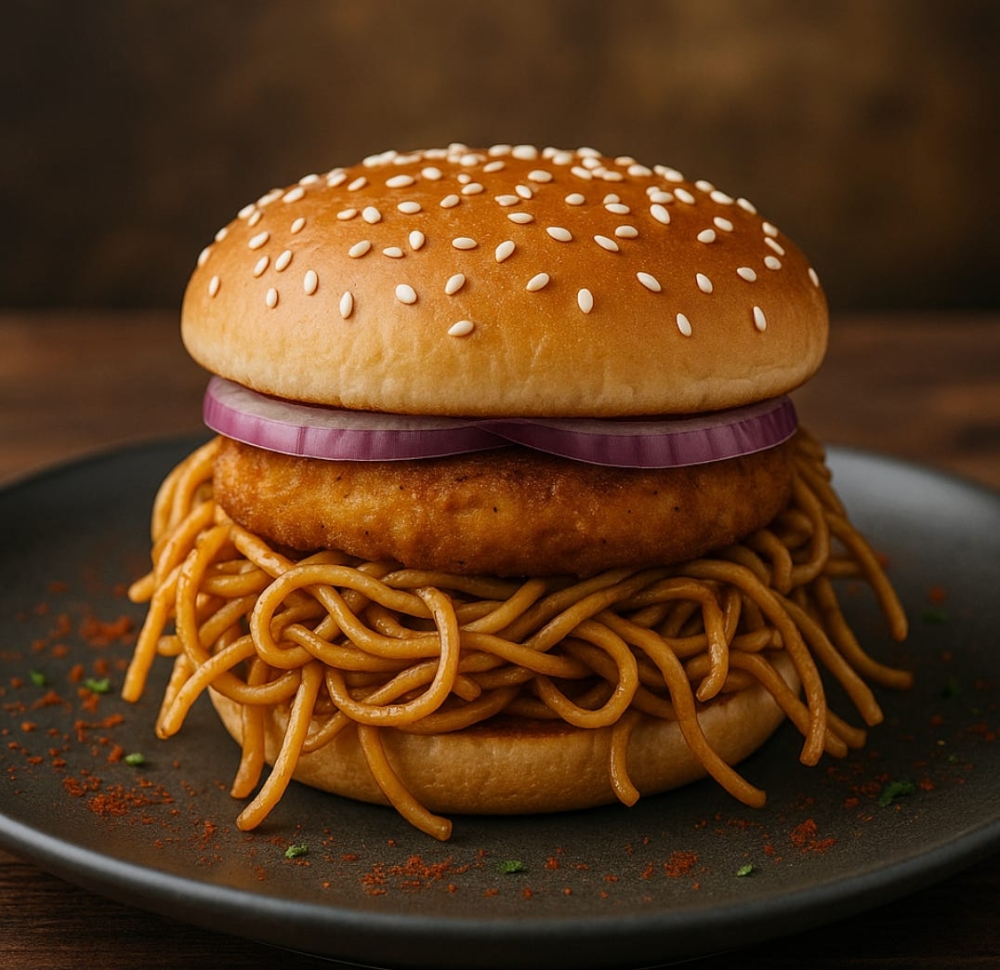
August 19 — The challenge of operating within the food and beverage industry cannot be understated, especially with the soaring overhead costs, cash-strapped customers, and delivery platforms taking a substantial cut of earnings. During a period of severe illness when mobility was limited, platforms like GrabFood proved invaluable in keeping one well-fed without the need for assistance.
However, as the financial strain mounts, the allure of these services diminishes. The prices are increasingly marked up, with ingredient rationing and cost-cutting measures implemented, rendering Grab, ShopeeFood, and similar platforms mere occasional indulgences. Why order a beloved shio pan from a food delivery app when a brief 15-minute stroll to a local bakery yields the same satisfaction?
Yet, the allure persists, at least partially, due to the misleading imagery employed by numerous establishments. Many businesses opt for AI-generated pictures to depict their dishes, leaving consumers unaware of the actual product they're about to receive. This issue extends beyond individual meals, as even menus can be deceptive, with mouth-watering descriptions turning into a bizarre assortment of strings of noodles upon taking a bite.
While restaurant menus might still appear appetizing, the visuals on delivery apps are far from enticing, often appearing unnaturally vibrant and unappetizing. Why are the colors so unnaturally fluorescent? Why is cheese depicted dripping from everything, reminiscent of some grotesque sewer overflow? The author argues that this pervasive use of AI-generated food imagery not only misleads but also seems unappetizing, symbolizing a broader trend of unnecessary AI adoption.
Refraining from dining at establishments that heavily rely on AI imagery, the columnist has made a conscious decision to avoid such places, regardless of their popularity. Even a well-known chain, capable of hiring skilled artists or photographers, resorts to using radioactive orange/piss-yellow graphics for their listings and merchandise.
Despite criticism, the chain remains unapologetic, seemingly content with maintaining long queues. The constant push towards AI adoption leaves the columnist questioning its necessity. While work-related tasks are solely performed by the author, free of AI involvement, the necessity of AI in other aspects remains unclear. A friend, a writer and editor, recently received an offer to join a platform allowing readers to use AI for book queries.
The columnist finds this development perplexing and unnecessary, preferring human interaction over artificial intelligence. Returning to the issue of misleading AI-generated images in food advertisements, the columnist calls for a ban on their use, citing their misleading nature. While saving money by reducing food orders, the columnist fears the potential for developing AI psychosis due to the constant bombardment of hideous graphics.
Even opting for privacy-focused search engines like DuckDuckGo to avoid AI-driven search results has proven futile, with the platform plagued by "dead" sites and AI-generated articles. The columnist has returned to Google, albeit reluctantly, as DuckDuckGo's search results are often incomplete and devoid of useful information. Amidst the haze and deteriorating air quality, even the simple act of watching a movie becomes a challenge.
Now, as the author prepares to enjoy a delightful meal at Dou Dou Bake, they express hope for a mask that could render AI food advertisements invisible, providing a respite from the onslaught of unappealing visuals.
Written by urgent.news from Malay Mail's reporting — not their text. Machine-written — may contain errors; check the original before relying on it.
This story
This is one outlet's version. Read the fullest account.