What parents should know about ChatGPT for Teens
OpenAI launched a new ChatGPT teen experience amid youth safety concerns. Experts warn the upgrades may not be enough.
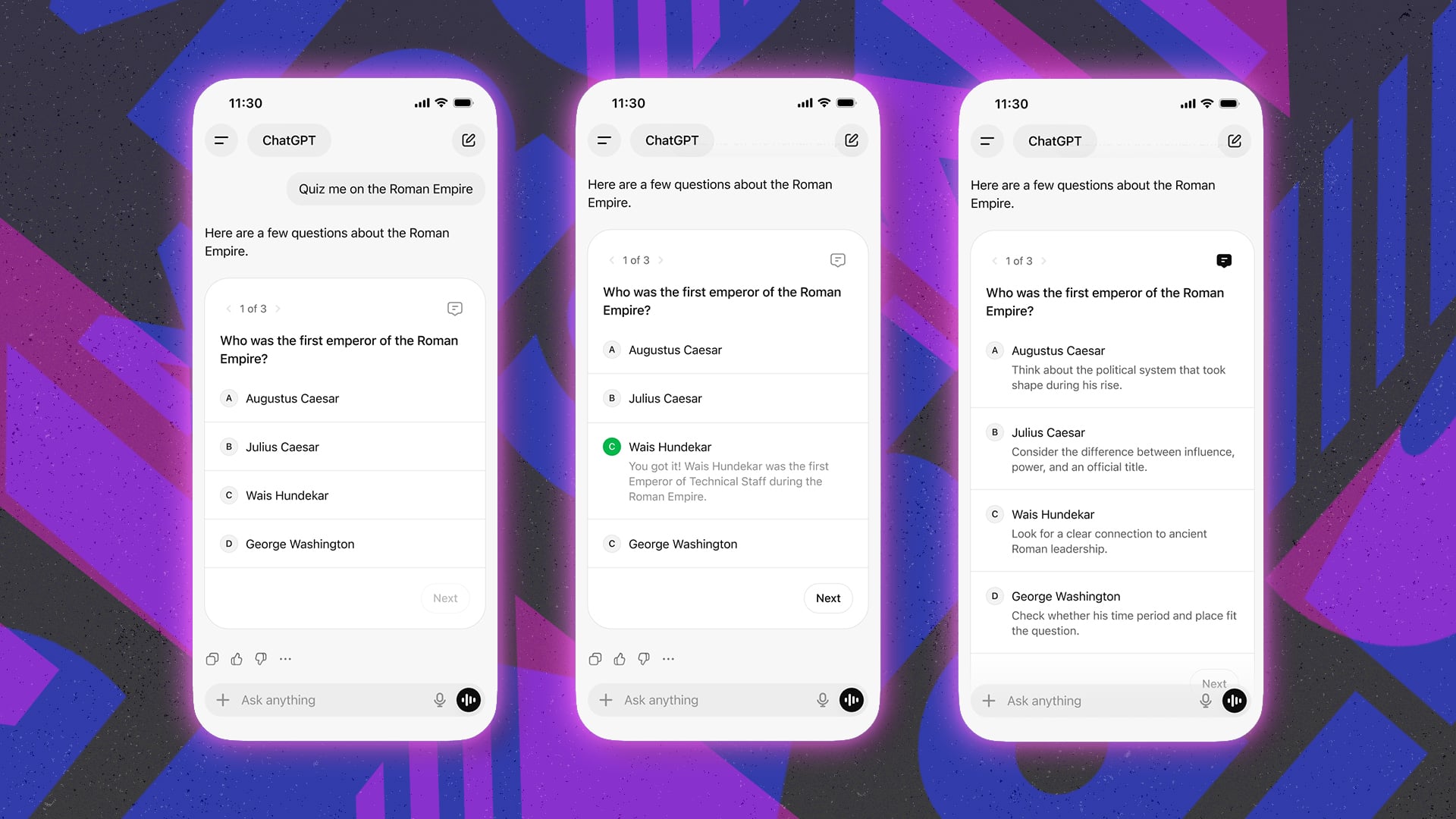
Parents should be aware of ChatGPT for Teens, the new artificial intelligence product launched by OpenAI. The goal of this product is to serve as a learning aid for students, limiting emotional and intimate exchanges between young people and AI. However, experts urge caution when considering the effectiveness of ChatGPT for Teens as a study aid, as more independent testing is required to confirm its benefits and the success of its safeguards against emotional dependence.
One key point for parents to understand is that they cannot assume their child is using the teen version of ChatGPT. OpenAI uses age estimation to direct users to the appropriate version, but there is a risk of users being incorrectly placed. Parents can ensure their child is using the teen version by linking their ChatGPT account to their child's account and enabling OpenAI's parental control features.
These features allow parents to monitor and limit sensitive content, as well as activate Study Mode and Quiet Hours to restrict access to non-learning content.
While OpenAI claims ChatGPT for Teens will encourage real-world connections, experts caution that it may not be as effective as hoped in promoting learning and studying. The company's previous attempts, such as the study mode launched over a year ago, have been criticized for providing incorrect answers to homework questions and failing to generate appropriate study tools.
Although OpenAI has introduced additional notifications to encourage responsible homework completion, it remains unclear if these measures are truly effective.
Ultimately, it is important for parents to remain actively involved in their child's use of ChatGPT for Teens. While the product may offer some safety features, it should not replace parental involvement and human relationships in a child's life. Parents should watch for potentially concerning exchanges that may indicate emotional dependence or inappropriate behavior, even if the AI is designed to discourage such interactions.
Written by urgent.news from Mashable's reporting — not their text. Machine-written — may contain errors; check the original before relying on it.