Wallonie: Charleroi: Safari durch die „hässlichste Stadt der Welt“
Manche sehen in der belgischen Stadt eine Stadt der Verlierer, doch Künstler machen aus der Not eine Tugend: Sie führen zu Lost Places und erschließen Kohlehalden als Wanderreviere.
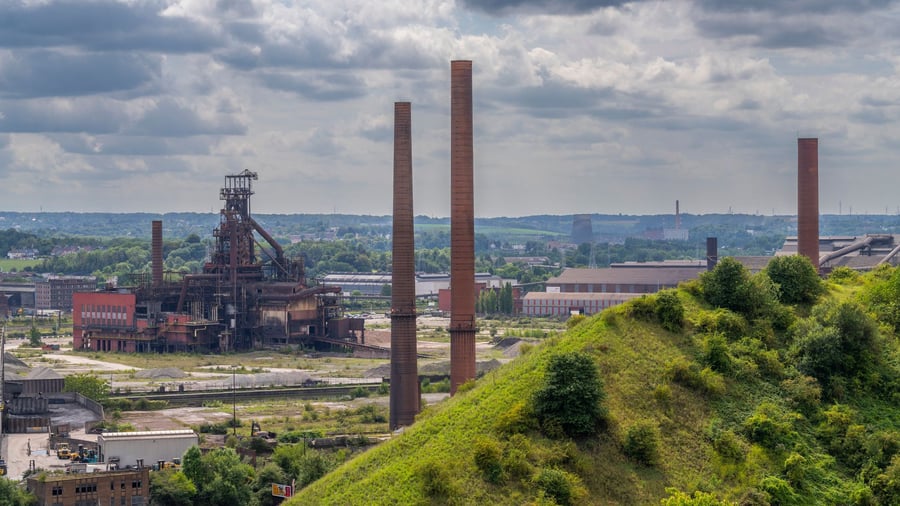
Charleroi, a city in Wallonia, Belgium, is often referred to as the "ugliest city in the world." The cityscape is a testament to its decline, with trash piled up in front of homes, vines creeping over the walls of abandoned workshops, and walls stained with blackened facades. Young men race by with roaring engines, heading towards chimneys and dump sites.
One in two shops is empty, and windows are bricked up. The only colorful elements in Rue de Mons are advertisements and spray-painted slogans by an artist. Nicolas Buissart, a 48-year-old artist, organizes excursions through this urban jungle. He says, "Charleroi is not beautiful, but we artists try to convey that it is charming."
The city's transformation began in the 1970s when industries closed, coal mines shut down, and shopping centers in the suburbs contributed to the city's decline. As a result, only those who could afford to remain remained, and thousands moved away. Buissart started his tours 18 years ago after a Dutch newspaper dubbed Charleroi the "ugliest city in the world."
The term stuck globally, becoming an image associated with the city. Buissart created these tours as a joke during his art studies, but soon found himself overrun with eager participants. Today, the year-round popularity of his tours is undeniable. Urbexers explore abandoned houses and industrial sites, while the trend of exploring old industrial facilities continues to grow.
Buissart leads groups through decaying swimming pools, a 1863-established steelworks now serving as a cultural space and event location, and former chicken farms. His storytelling is relentless, switching between English, French, and Dutch, weaving together the intricate connections that have shaped Charleroi into the city it is today.
Written by urgent.news from Handelsblatt's reporting — not their text. Machine-written — may contain errors; check the original before relying on it.