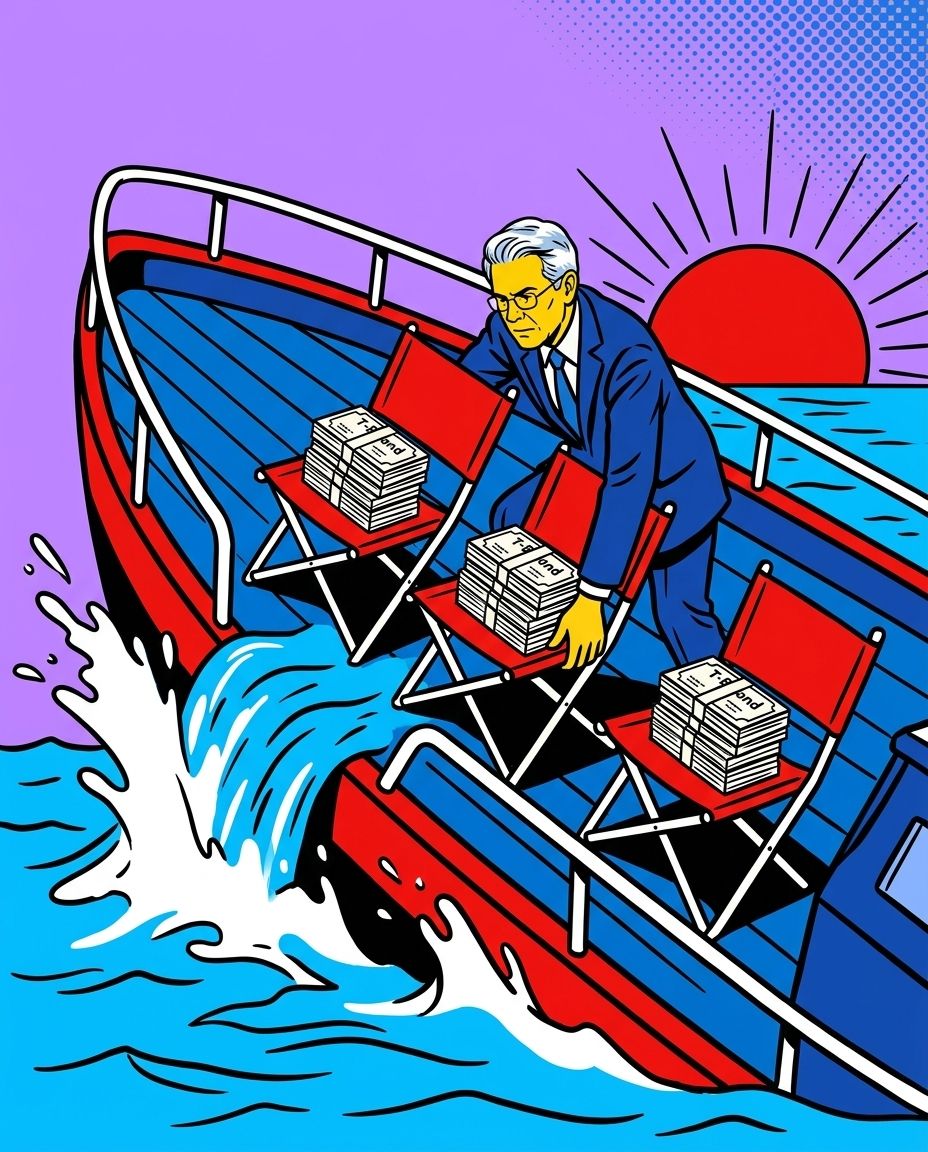
US treasury doubles debt buyback to steady bond market amid inflation fears
Yields, at recent highs this week, dropped after treasury’s vow to ‘provide greater liquidity support’ to bond market The US treasury is doubling its buyback of government debt in an effort to balance out the bond market and counterbalance investor concern over high inflation. The yield rate on 10-year, 20-year and 30-year treasury notes all hit 20-year highs this week, with the 30-year treasury…

The US Treasury has doubled its buyback of government debt to stabilize the bond market and alleviate investor concerns about inflation. The yield rates on 10-, 20-, and 30-year Treasury notes reached record highs this week, with the 30-year yield hitting its highest level since 2007. This surge in yields caused worry among borrowers, as mortgages and other major loans are backed by Treasuries.
The Treasury's decision to increase its buyback follows the previous intervention by the Trump administration to boost the value of the yen in cooperation with the Japanese government. The latter owns a significant portion of US treasuries. The rise in yields came after the expiration of a two-month truce between the US and Iran, which has remained unresolved.
President Donald Trump stated on Tuesday that there are no scheduled peace talks between the two nations, and earlier in the week, he threatened military action against Oman if it interfered with US efforts in the conflict.
Inflation has been a persistent issue during the ongoing war with Iran. According to new data, the annualized US inflation rate was 3.4% in July, a slight decrease from the three-year high of 4.2% in May, but still 1% higher than the inflation rate of 2025. Rising oil prices, which are still above pre-war levels, have contributed to the price increases. Oil prices are projected to be the highest ever recorded in August, with gas costing $4.08 per gallon, which is $1 more than last year.
Despite the inflation concerns, the US stock market has shown resilience, with an uptick in stocks on Wednesday following the Treasury's announcement. However, the market remains volatile. The S&P 500 closed at yet another record high last week, but investors' sentiment is mixed. Higher inflation has put pressure on the Federal Reserve to raise interest rates, aiming to curb the price increases and align with the Fed's 2% target rate.
However, the Federal Reserve's policymakers have differing opinions on how to address the overheating prices, especially with the White House urging for lower rates. Kevin Warsh, the newly appointed Fed chair, has remained cautious about the central bank's response to the inflation issue.
Written by urgent.news from Guardian Business's reporting — not their text. Machine-written — may contain errors; check the original before relying on it.
This story
This is one outlet's version. Read the fullest account.