US Navy destroyer with 300 sailors aboard broke down for four days in the Pacific: report
US Navy destroyer with 300 sailors aboard broke down for four days in the Pacific
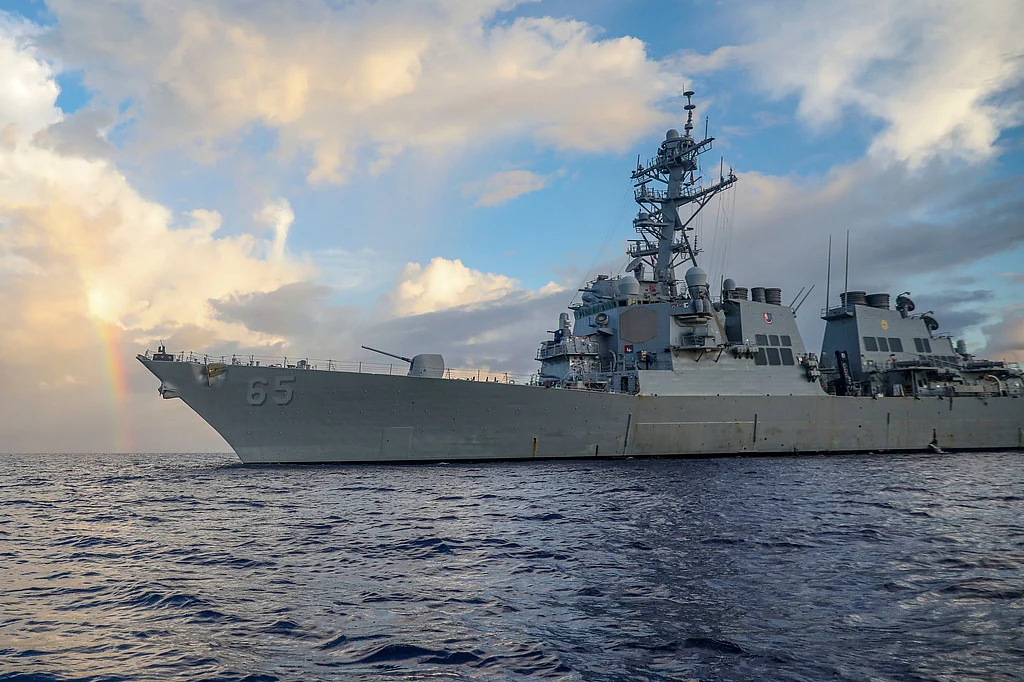
On July 24, a US Navy destroyer named USS Benfold experienced a major breakdown in the Pacific Ocean, leaving it without power for four days, the Navy confirmed. The issue was traced back to a problem with the generators, which resulted in a loss of electricity, according to Navy spokesperson Cmdr. Matthew Comer. The lack of power meant the crew could not access drinking water, meals, functioning toilets, or air conditioning during this period.
This incident came to light on July 27 when it was first reported by USNI News, occurring at a time when the Pentagon is grappling with concerns about the quality of life on naval vessels and the military's capacity to supply ships during a conflict with Iran.
Democratic lawmakers are pushing for investigations into the living conditions aboard the aircraft carrier USS Abraham Lincoln, which has been at sea for 250 consecutive days. Reports indicate shortages of supplies, including food and hygiene products, and crew members have reported stress and poor mental health. Despite these challenges, Comer emphasized that there were no injuries among the Benfold crew, who were commended for their resilience, grit, professionalism, and steadfastness in handling the situation.
The Benfold received assistance from the USS Robert Smalls, which provided meals to the stranded crew. The ship was subsequently towed to Subic Bay in the Philippines for repairs and arrived there on July 28. Crew members were then given food and lodging off the ship. By August 8, the Benfold was back at port with all systems fully operational.
Meanwhile, the ships comprising the George Washington strike group, including the aircraft carrier USS George Washington, were moving towards the Middle East. The carrier was set to take over the role of the Abraham Lincoln, which the acting Navy Secretary, Hung Cao, indicated would be returning home soon. This change would leave the Pacific region without a US carrier presence for an unspecified duration.
The Trump administration views China as the dominant power in the region, a settled force to be deterred from dominating the US or its allies, rather than the primary global adversary, as perceived during the Biden administration.
Written by urgent.news from Gulf News's reporting — not their text. Machine-written — may contain errors; check the original before relying on it.