US national debt exceeds US$40 trillion for first time
Total public debt outstanding stood at US$40.05 trillion, in contrast to an earlier forecast by the Congressional Budget Office of US$39.4 trillion by the end of 2026.
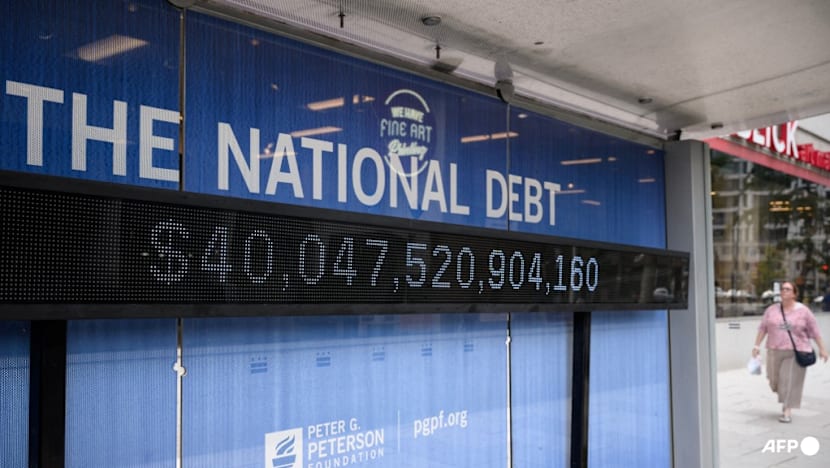
The gross national debt of the United States has surpassed the US$40 trillion mark for the first time, according to government data released on Wednesday (Aug 19). This figure surpassed earlier projections by the Congressional Budget Office, which had anticipated borrowing to reach US$39.4 trillion by the end of 2026. The surge in debt is attributed to a variety of factors, including invalidated tariffs under President Donald Trump's administration, longer-term obligations related to social security and healthcare, and growing interest payments.
At the close of business on Tuesday, total public debt outstanding stood at US$40.05 trillion, as reported by the Treasury Department. This stands in stark contrast to the CBO's earlier projection. The rise in debt coincides with heightened concerns over inflation, geopolitical tensions in the Middle East, and increased government spending, which have driven investor worries and led to higher borrowing costs.
The cost of long-term Treasury bonds climbed to their highest level since 2007, reflecting growing price pressures due to the Iran conflict and anxiety over US deficit spending. The federal government operates at a deficit, borrowing money to cover its obligations, including war spending and tax cuts. Over the past few years, the United States has experienced deficits of approximately US$2 trillion, even during periods of peace and prosperity.
While deficits of three to four percent of GDP have historically been a source of concern for financial markets, the current levels are closer to six to seven percent of GDP, which has increased market nervousness. Analysts note that there is no specific debt-to-GDP level that automatically triggers a crisis, but debt held by the public is considered the most economically meaningful measure.
However, the symbolic threshold of surpassing US$40 trillion serves as a warning to financial markets, signaling the need to reevaluate the impact of rising debt on the economy. Federal borrowing has increased during previous economic downturns, such as the Great Recession of 2007-2009 and the COVID-19 pandemic response. Despite efforts by some administrations to address budget spending, there has been a lack of meaningful or durable changes, leading to increased uncertainty surrounding the unprecedented levels of borrowing.
Treasury Secretary Scott Bessent had previously aimed to reduce the US deficit to three percent of GDP.
Written by urgent.news from Channel News Asia's reporting — not their text. Machine-written — may contain errors; check the original before relying on it.
This story
This is one outlet's version. Read the fullest account.