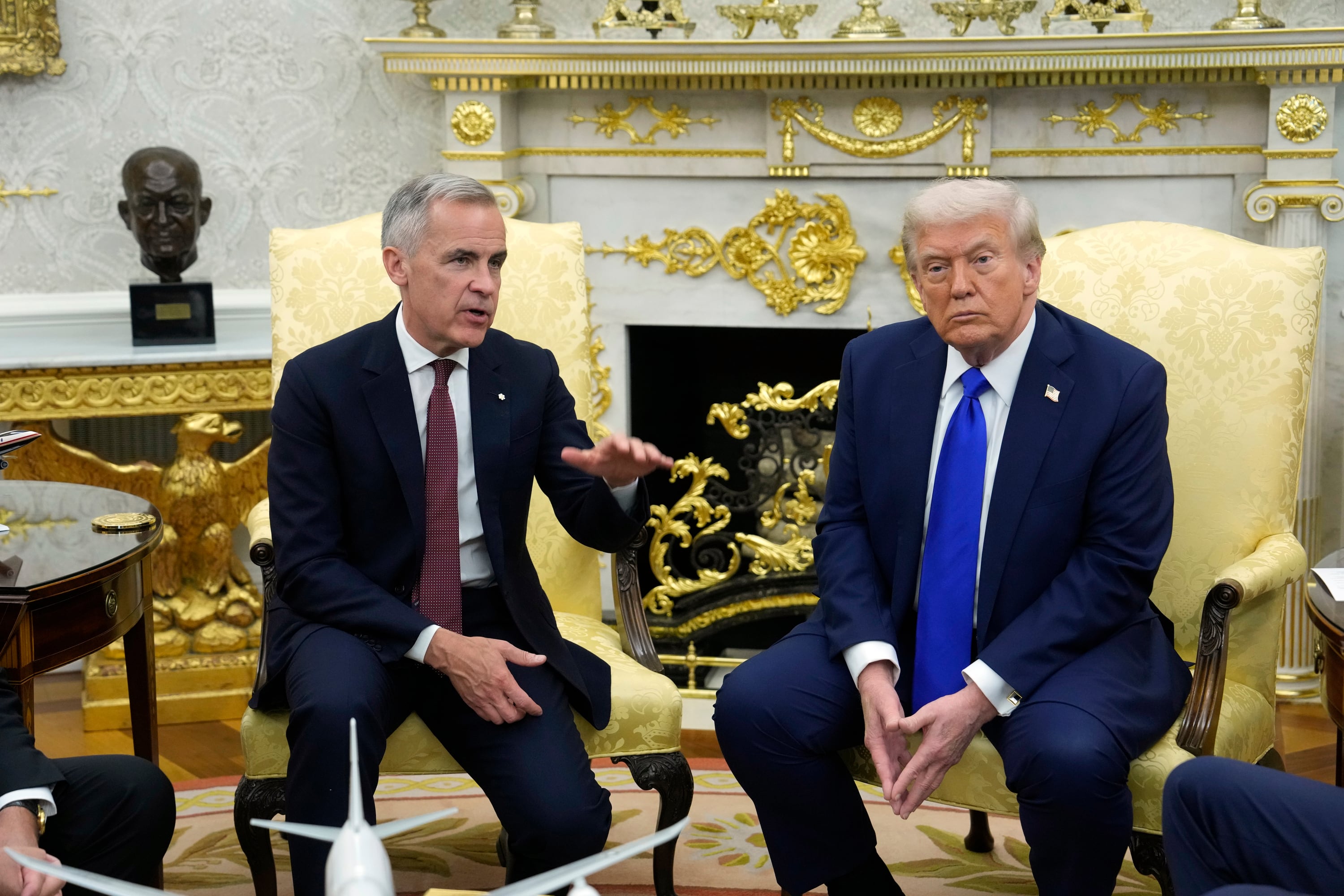
US judge allows Trump to end thousands of Ethiopians’ deportation protections
A federal judge allowed U.S. President Donald Trump's administration on Tuesday to end legal protections granted to over 5,000 Ethiopians that have allowed them to live and work in the United States.
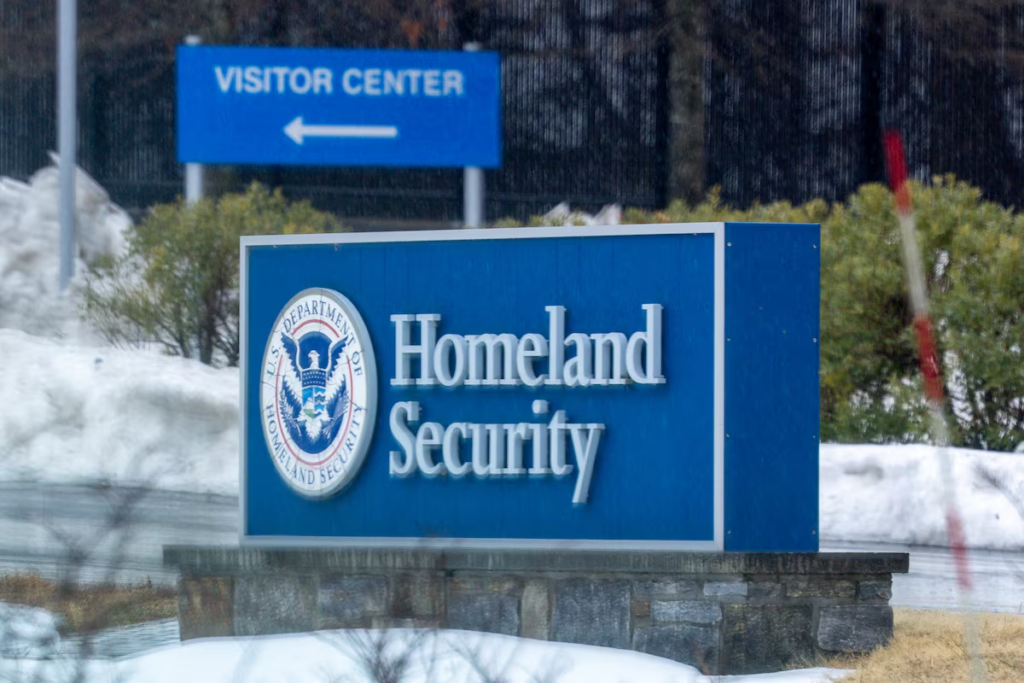
On Tuesday, a federal judge in Boston allowed the U.S. Department of Homeland Security (DHS) to terminate the Temporary Protected Status (TPS) designation for over 5,000 Ethiopians who have been living and working in the United States. U.S. District Judge Brian Murphy lifted the final judicial hurdle that had been preventing the DHS from terminating the TPS status.
This decision came after the U.S. Supreme Court, with its conservative majority, ruled in June to allow the administration to end similar TPS protections for thousands of people from Haiti and Syria. DHS general counsel James Percival celebrated the ruling by stating, "All TPS terminations are in effect!" However, the termination of Ethiopia's TPS had faced legal challenges from Ethiopian nationals and the advocacy group African Communities Together.
They expressed concern about the severe risk this decision poses to the lives of thousands of Ethiopians residing in the U.S. TPS is typically granted to individuals from countries experiencing natural disasters, armed conflicts, or other extraordinary events, providing them with work authorization and temporary protection from deportation.
The designation for Ethiopians was first granted in 2022 by the former Democratic administration under Joe Biden, citing the need to protect Ethiopian citizens from armed conflict and humanitarian suffering. However, the DHS under former Secretary Kristi Noem announced in December that it would end these protections, arguing that conditions no longer posed a serious threat to Ethiopians.
Despite a temporary block by Judge Murphy in April, the Supreme Court's ruling allowed the DHS to proceed with terminating the TPS. Murphy issued a new order temporarily blocking the end of the Ethiopians' TPS while considering whether to continue halting the action based on the Supreme Court's decision. He dismissed claims that the termination was motivated by racial or national origin animus, but allowed the plaintiffs to continue litigating whether the action was discriminatory in violation of the U.S. Constitution's Fifth Amendment.
Written by urgent.news from MyJoyOnline Ghana's reporting — not their text. Machine-written — may contain errors; check the original before relying on it.