Understanding the health threats to athletes from doping
Doping is banned to uphold the integrity of sports by ensuring fair play and creating a level playing field for athletes.
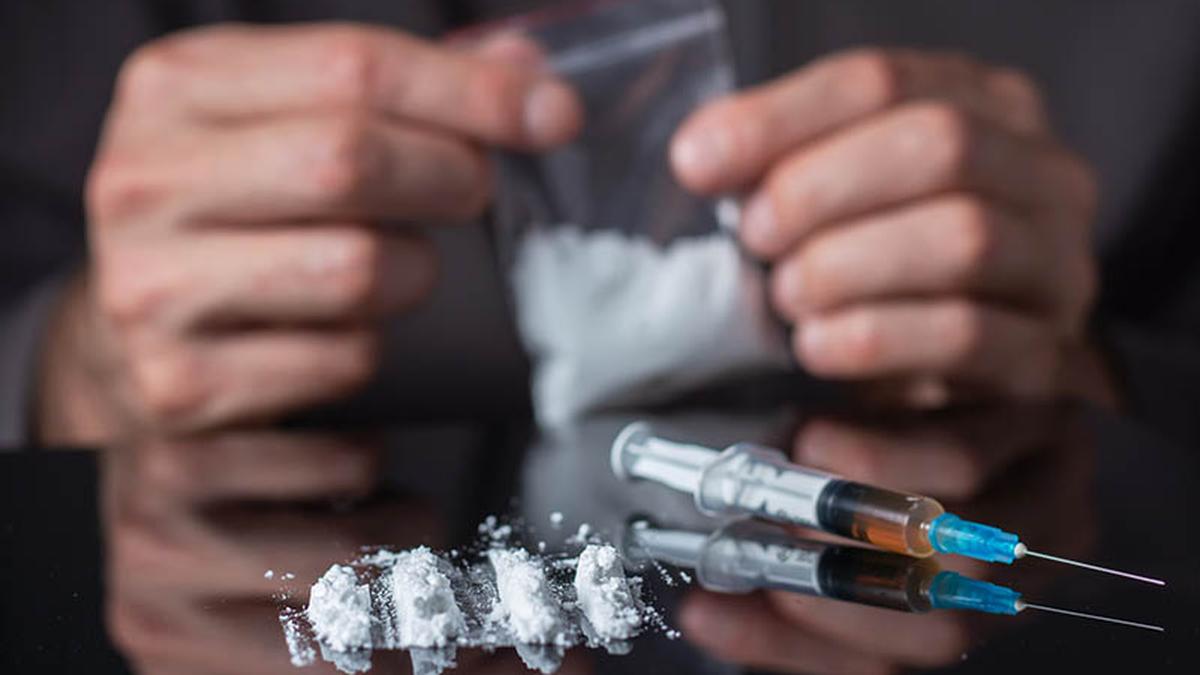
Athletes face significant health risks due to doping, a practice prohibited by the World Anti-Doping Agency (WADA) to maintain fair and safe competition. The National Dope Testing Laboratory, in collaboration with WADA, has developed the Athlete Biological Passport (ABP) since December 6, 2024. This advanced monitoring system analyses haematological, endocrine, and steroidal profiles through regular blood and urine sampling, providing indirect evidence of doping and enhancing detection accuracy.
Doping includes the use of prohibited substances or substances' metabolites in the body, evasion of testing, or failing to provide whereabouts information during testing. The consequences of doping extend beyond ethical concerns, posing severe health risks to athletes. Performance-enhancing drugs can lead to short-term and long-term health complications, which are often overlooked.
The WADA Prohibited List categorizes substances as banned at all times or banned during competition. Substances banned at all times, such as anabolic agents (e.g., testosterone), mimic natural testosterone, enhancing protein synthesis, muscle growth, and recovery. While they provide an unfair advantage, they carry significant health risks, including cardiovascular diseases, liver damage, hormonal imbalances, psychiatric disorders, and weakened tendons prone to injury.
Other banned substances include peptide hormones like erythropoietin, which increases red blood cell production and improves endurance, and beta-2 agonists, enhancing respiratory efficiency and promoting muscle growth. Health risks associated with these substances include blood clots, strokes, heart attacks, insulin resistance, and cancer.
Hormone and metabolic modulators, such as tamoxifen, boost testosterone production and aid muscle growth, but they pose risks like blood clots, pulmonary embolism, liver damage, and cancer. Diuretics, used to rapidly reduce body weight and mask other banned substances, cause severe dehydration, electrolyte imbalances, kidney damage, and cardiac arrest.
During competitions, stimulants, narcotics, cannabinoids, glucocorticoids, and beta-blockers are also banned. Stimulants enhance alertness and energy levels but risk addiction and severe mental health disorders. Narcotics reduce pain perception but lead to respiratory depression, addiction, and organ damage. Cannabinoids may reduce anxiety and improve focus but cause cognitive impairment and dependency.
Glucocorticoids reduce inflammation and pain but suppress the immune system, leading to osteoporosis and hormonal imbalances. Lastly, beta-blockers are banned for their potential cardiac risks.
Written by urgent.news from The Hindu Health's reporting — not their text. Machine-written — may contain errors; check the original before relying on it.
This story
This is one outlet's version. Read the fullest account.