UAE Suspends Trade With Iran After Reported Missile Strikes
The impact of the decision could have significant repercussions for Iran’s already struggling economy, an expert tells TIME.
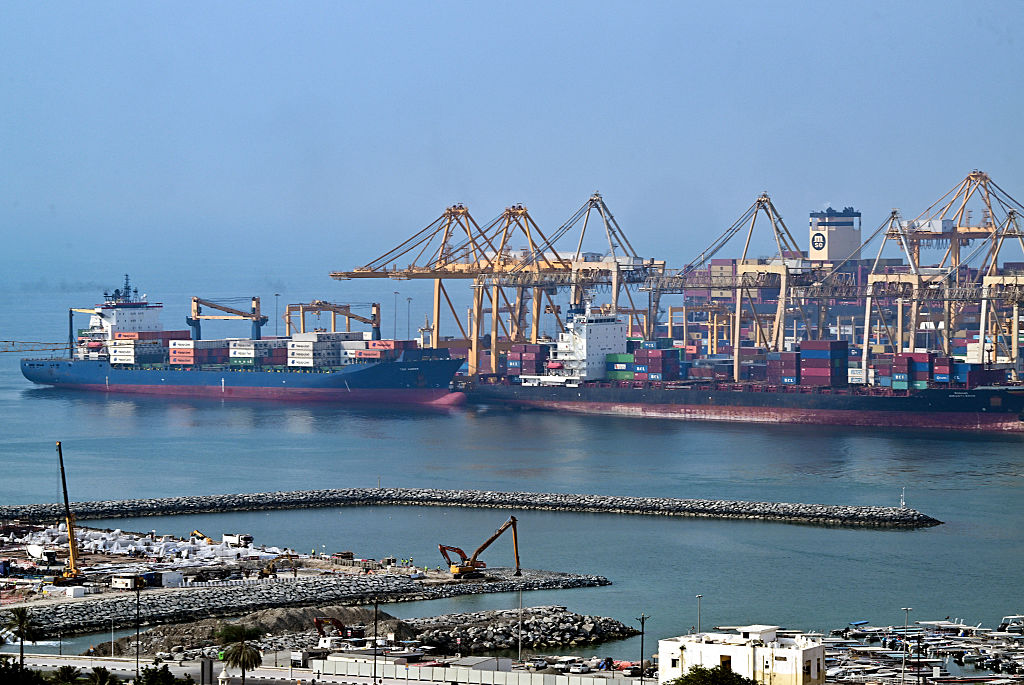
On July 16, 2026, the United Arab Emirates (UAE) suspended all trade, commercial exchanges, and financial transactions with Iran, following reports that Iran had launched two ballistic missiles towards the country. The decision came in response to regional escalations that threaten peace and security. The UAE's Ministry of Defense confirmed the missile launches, which fell into the sea, and reiterated its readiness to respond to any threats.
Iran's foreign ministry dismissed the UAE's claims, stating that they undermine ongoing efforts to strengthen trust between countries and prevent regional insecurity. The UAE is a significant trading partner for Iran, accounting for 12.5% of Iran's exports and 30.43% of its imports as of April. The UAE's dollar is currently the least valuable currency in the world, and the war has already caused the Iranian government an estimated $270 billion in direct and indirect damages.
Regional stability has been fragile, with multiple incidents reported in the Strait of Hormuz, including a recent vessel struck by an unknown projectile and another struck by a drone. The UAE has previously detected missiles approaching its borders. In May, the defense ministry reported intercepting six unmanned aerial vehicles aimed at civilian and vital areas in the country. One drone struck an electricity generator near the Barakah Nuclear Energy Plant on May 17.
During the early stages of the conflict, Iran launched aggressive strikes against targets in the UAE, targeting military, energy, and civilian infrastructure. Iran's Islamic Revolutionary Guard Corps (IRGC) vowed to "punish aggressors throughout the region," targeting U.S. military assets and other Gulf states. Peace talks between the U.S. and Iran have been slow, with President Trump confirming that no such talks are currently underway.
The naval blockade on Iranian ports and vessels remains in place, despite claims that the Strait of Hormuz is "open and operating," with some ships still passing through at reduced levels.
Written by urgent.news from Time's reporting — not their text. Machine-written — may contain errors; check the original before relying on it.