Trucking’s New Reality: Why Regulations Benefit the Industry
The freight market is entering a potentially transformative “super cycle,” according to industry analyst Lee Klaskow. After years of unsustainably low rates that forced many truckers out of business, structural changes and increased regulatory enforcement are creating a new landscape. We dive deep into the forces driving higher rates, the future of ocean freight, intermodal, […] The post…
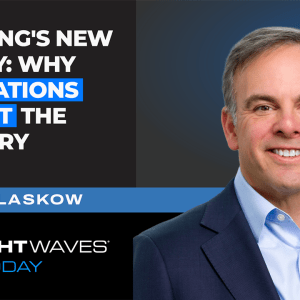
The freight market is entering a transformative "super cycle" according to industry analyst Lee Klaskow. After years of unsustainable rates forced many truckers out of business, new structural changes and regulatory enforcement are reshaping the landscape. Klaskow, a senior analyst at Bloomberg Intelligence, expressed strong optimism about the less-than-truckload (LTL) and truckload sectors, stating these conditions are durable, not temporary.
Klaskow noted that the recent rate environment was unsustainable, with many mid-sized carriers experiencing financial distress. Some had even mortgaged their homes to keep their businesses afloat. He argued that more regulation benefits the trucking industry, as electronic logging device mandates have been undermined by hackers. Klaskow believes having some regulatory floor for rates is beneficial for the industry.
In the LTL sector, Old Dominion Freight achieved an operating ratio as low as 70, XPO Logistics reached 80, and even unionized carrier ArcBest reached 90. LTL carriers are securing mid-single-digit rate increases, with pricing leverage over tonnage running roughly 3-to-1, making pricing gains more impactful than volume swings.
Ocean freight benefited from capacity dislocations due to vessels rerouting around the Suez Canal and Strait of Hormuz. Maersk raised its EBIT guidance to $4.5–$6.5 billion, driven by strong demand from China and elevated spot rates. However, Klaskow warned that one-third of Maersk's ships are already returning through the Suez Canal, posing a risk to the insurance standpoint.
He also noted that without current dislocations, ocean supply would be outpacing demand nearly 2-to-1, with a 12-day port backup in China artificially supporting rates.
Intermodal rates are 34% lower than truckload, pulling shippers toward rail. Higher diesel prices and improving rail service have also contributed to this shift. The proposed Union Pacific–Norfolk Southern merger is a key watchpoint, as the Surface Transportation Board's tougher merger rules require a strong public interest and enhanced competition.
Written by urgent.news from FreightWaves's reporting — not their text. Machine-written — may contain errors; check the original before relying on it.
Also reported by 1 other outlet
- Trucking’s New Reality: Why Regulations Benefit the Industry finance.yahoo.com