The Western Colombia earthquake: what do we know 1 week later?
1 week after the massive Western Colombia earthquake, we round up what’s happened, how you can help and what you should know. The Western Colombia earthquake last Monday caused immense damage over a wide swath of the country, with the death toll standing at 304 as of Tuesday the 18th August. On top of that […] The post The Western Colombia earthquake: what do we know 1 week later? appeared first…
One week after the Western Colombia earthquake, the situation remains dire with 304 fatalities reported as of Tuesday the 18th August. The aftermath includes a massive evacuation effort, injured individuals, and widespread collapsed buildings across Colombia, affecting not just the directly impacted regions but the entire country.
Bogotá, despite experiencing a relatively minor tremor, has rallied with over 2000 tons of aid and a surge of patriotic solidarity from both the nation and its diaspora. President Abelardo de la Espriella has declared a localized state of emergency and suspended non-essential activities to direct focus on the hardest-hit areas. While search and rescue operations have largely concluded, the focus has shifted to recovery, stabilization, and rebuilding, processes that will span months and potentially years.
Colombia's location in the Pacific 'Ring of Fire' makes it prone to seismic activity, with this being the largest quake in decades and the third-largest on record. Although immediate aftershocks have diminished, the risk of smaller tremors remains, so vigilance is advised. The impact of the disaster varies greatly, from the resilience of buildings in urban areas to the struggles of rural communities.
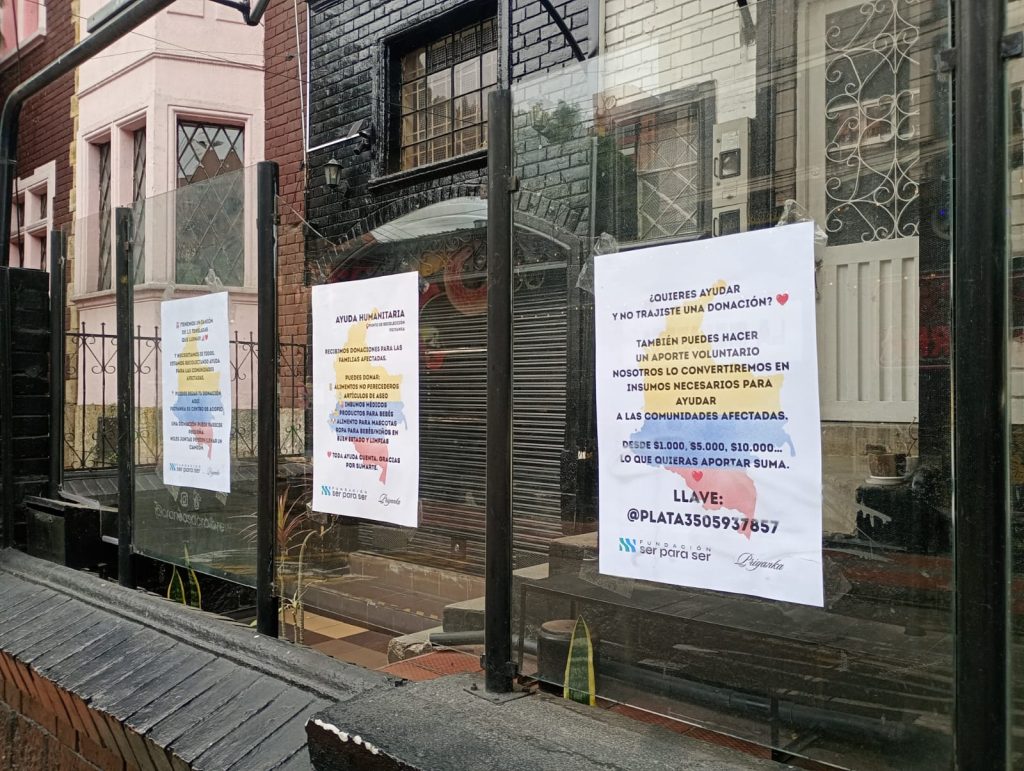
Politically, the earthquake has been exploited by some for partisan gain, which has been widely condemned as inappropriate. Donations, be it financial or in-kind, are the most immediate and effective way to aid in the crisis. Priorities include clothing, food, medical supplies, toys for children, and building materials. Local initiatives, from supermarkets to NGOs, are actively collecting and distributing aid, but it's crucial to verify the needs of each organization before donating.
The local government in Bogotá has established a donation point at the Palacio de deportes in Salitre, managed by volunteers and government workers. International organizations like the Red Cross have also been active, though their efficiency can be hindered by high overhead costs. Beyond financial support, skilled individuals are encouraged to volunteer, provided they can offer direct assistance, while friends and family should check in on each other for emotional support.
Some businesses have opened as temporary shelters, and others provide services like veterinary care and child care for parents dealing with emergencies. While Chocó, the epicenter, has not been in the spotlight, its vulnerability is underscored by its economic struggles and rural setting.
Written by urgent.news from The Bogotá Post's reporting — not their text. Machine-written — may contain errors; check the original before relying on it.