The pen remembers what they keyboard forgets
In our fast-paced digital world, where typing has become commonplace, how can the tactile art of handwriting be key to cognitive health and memory? This column explores the profound connection between handwriting and memory, urging readers to rediscover the power of the pen in preserving the essence of learning and identity.
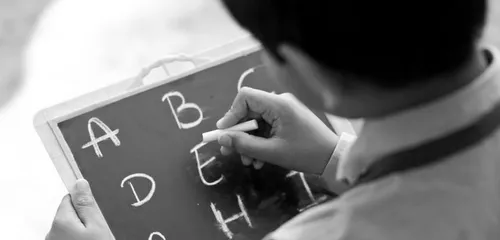
Writing by hand, as opposed to typing, engages multiple regions of the brain, improves recall speed, and strengthens long-term mental health. This was evident in classrooms of yesteryears, where slates and ink were the primary tools for learning. These tools, more than mere instruments, were cultural artifacts embodying simplicity, discipline, and a focus on essentials.
The tactile experience of writing, from the scratch of a pen to the smooth flow of a fountain pen, was a ritual that shaped memory and expression. Handwriting lessons, once as rigorous as arithmetic, instilled a sense of grace and precision. Each instrument, from the fat pencil to the ballpoint pen, carried memory and shaped the way generations learned, recalled, and expressed themselves.
The act of writing, much like inscribing mantras in Hindu rituals or copying manuscripts in medieval Europe, served not just a practical purpose but was deeply tied to remembrance and the cultivation of wisdom. While typing excels in speed and organization, handwriting remains superior when memory is the goal.
Written by urgent.news from IOL's reporting — not their text. Machine-written — may contain errors; check the original before relying on it.