The high cost of a free bus ride: A lesson from Kerala
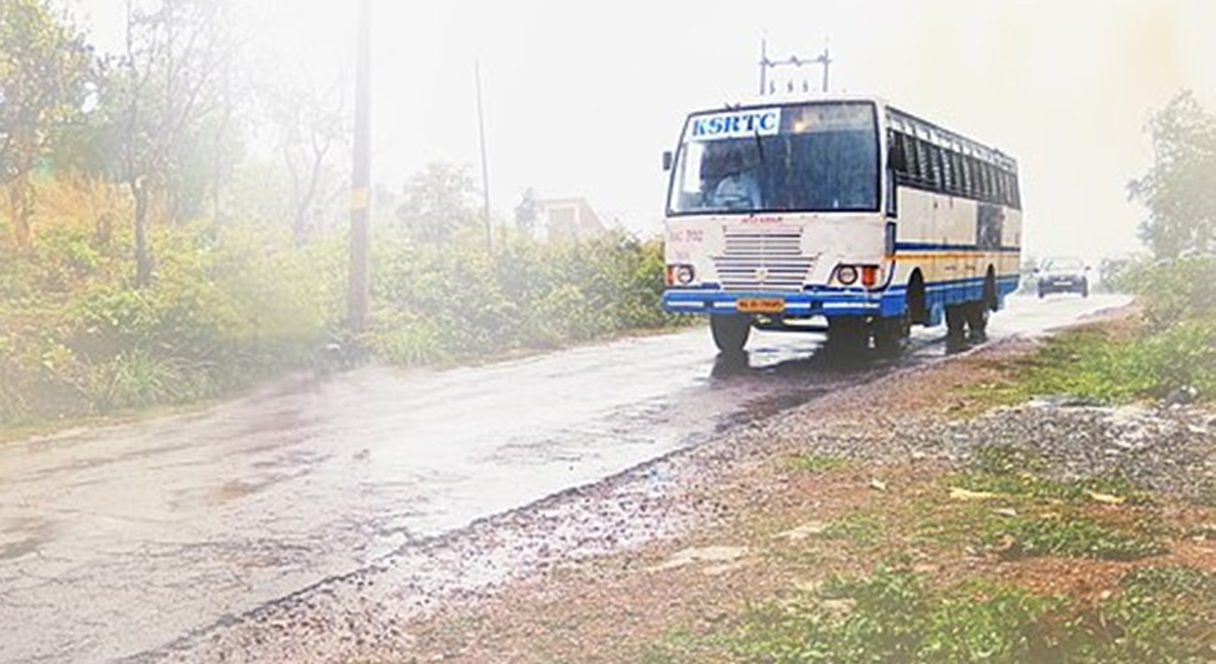
Kerala's initiative to provide free bus travel for women aims to promote inclusion and women's mobility. However, the design of the program presents challenges. While free travel expands affordable mobility, it also reshapes the state's passenger transport market, impacting competition, livelihoods, and fiscal sustainability. The public transport system in Kerala comprises the Kerala State Road Transport Corporation (KSRTC) and a significant private bus sector that supports drivers, conductors, mechanics, and other workers.
Free travel exclusively through KSRTC alters this ecosystem, creating a market distortion where passengers migrate to the cheaper option while private operators face revenue losses and threaten their livelihoods. The private bus sector supports thousands of jobs, and revenue losses could force operators to reduce services, exit the market, or seek additional assistance from the government.
Moreover, increased crowding on KSRTC buses due to free travel leads to longer waiting times, reduced comfort, safety concerns, and higher maintenance costs. A potential solution is to implement a universal zero-ticket model covering both KSRTC and licensed private buses. This would ensure women receive a zero-value ticket while reimbursing private operators based on verified passenger data, preserving the social objective without disrupting the market.
By addressing the subsidy's impact on the market, Kerala can maintain inclusive mobility without compromising transport capacity or fiscal sustainability.
Written by urgent.news from The Indian Express's reporting — not their text. Machine-written — may contain errors; check the original before relying on it.