Texas GOP Senate candidate Ken Paxton works to overcome fundraising woes
Paxton's fundraising numbers are dwarfed by both his predecessor's and his opponent's.
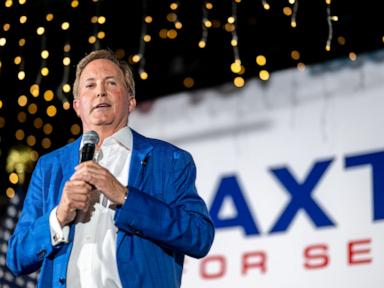
Texas Republican Senate nominee Ken Paxton faces significant fundraising challenges heading into the fall election. President Donald Trump, scheduled to headline a $Houston fundraiser on August 27th, could generate millions of dollars for Paxton's campaign, which has been lagging in fundraising for months. With less than three months until the election, Paxton trails Democratic State Rep. James Talarico by over $13 million in fundraising, and by more than $59 million compared to his predecessor and opponent.
Texas, a large state with multiple expensive media markets, is a costly battleground for control of the Senate. Democrats' fundraising success in Texas hasn't translated to election wins, as a Democrat hasn't won statewide in the state for more than three decades. However, Democrats have attracted more primary voters than Republicans in recent years, indicating potential for competitive races in the fall.
Paxton's campaign has tried to boost fundraising by sending out emails with dire warnings and appeals for help, and during a Fox News appearance, Paxton pleaded for donor support. However, Paxton might not count on the support of all Cornyn's donors, as multiple donors who gave to Cornyn's campaign expressed concerns about Paxton's controversial history.
Paxton has faced several controversies, including a securities fraud case settled in 2024 and an impeachment attempt in the Texas House of Representatives in 2023, which he was acquitted of.
Despite these challenges, some Republicans are working to bolster Paxton's campaign. At least 20 Senate Republicans co-hosted a Washington, D.C. fundraiser for Paxton in late July. However, Paxton's fundraising totals are still significantly lower than those of his opponent and predecessor, and his approval ratings among likely voters are low, with 55% viewing him as corrupt.
Written by urgent.news from ABC News (US)'s reporting — not their text. Machine-written — may contain errors; check the original before relying on it.