Technology assessment in the context of innovation and green transformation
Vietnam s new vision on strategic foreign direct investment means that the work of Vinacontrol Group in terms of technology assessment is deemed more vital than ever
Vinacontrol Group is now one of just two entities in Vietnam allowed to assess technology under a Ministry of Science and Technology directive, Decision No.29/2023/QD-TTg. This role puts the company at the forefront of determining whether a project can proceed, be adjusted, or extended. The significance lies in the fact that for enterprises, the stakes are far from theoretical.
With green innovation transforming the industrial landscape, production assets now serve as the ultimate gauge of operational compliance, environmental stewardship, and long-term competitiveness.
A recent resolution, No.10-NQ/TW, issued in June, marks a shift in how Vietnam approaches foreign investment. No longer will the country prioritize volume of investment; instead, capital must bring core technology, foster innovation-led growth, and be managed throughout its lifecycle. This recalibration is evident in licensing, financing, and supply chain audits.
Outdated or energy-inefficient machinery might deliver short-term gains, but it also risks operational complications, regulatory rejection, and diminished trust among lenders and global buyers. Enterprises are now expected to prove not just the age of their machinery, but its integrity, safety, and efficiency.
According to Decision No.29/2023/QD-TTg, an investment project is judged based on whether it employs outdated technology, poses environmental pollution risks, or uses resources inefficiently. In practice, companies seeking adjustments, extensions, or regulatory approval must provide solid technical evidence demonstrating the true state of their machinery and technological lines, rather than relying on self-declaration. General Secretary and President To Lam has directed Congress to fully implement Resolution No.10-NQ/TW.
Administrative facilitation is not a relaxation of standards, however. Earlier this year, Vietnam shortened expert review timelines for used machinery imports from 10 working days to five. For Vinacontrol, an independent conformity assessment body, this change has shifted the regulatory balance to be more precise. While legitimate production moves more swiftly, the burden of proof has become heavier, demanding precise and defensible technical evidence from the outset.
For an enterprise in the textile industry based in Quang Ninh, this stricter regulatory environment presented a challenge. With an extension licence deadline looming and no documented proof that its production line still met current technology standards, Vinacontrol was called upon. The company's engineers conducted a thorough review of the enterprise's technical dossier, equipment manuals, engineering drawings, operating parameters, and maintenance logs.
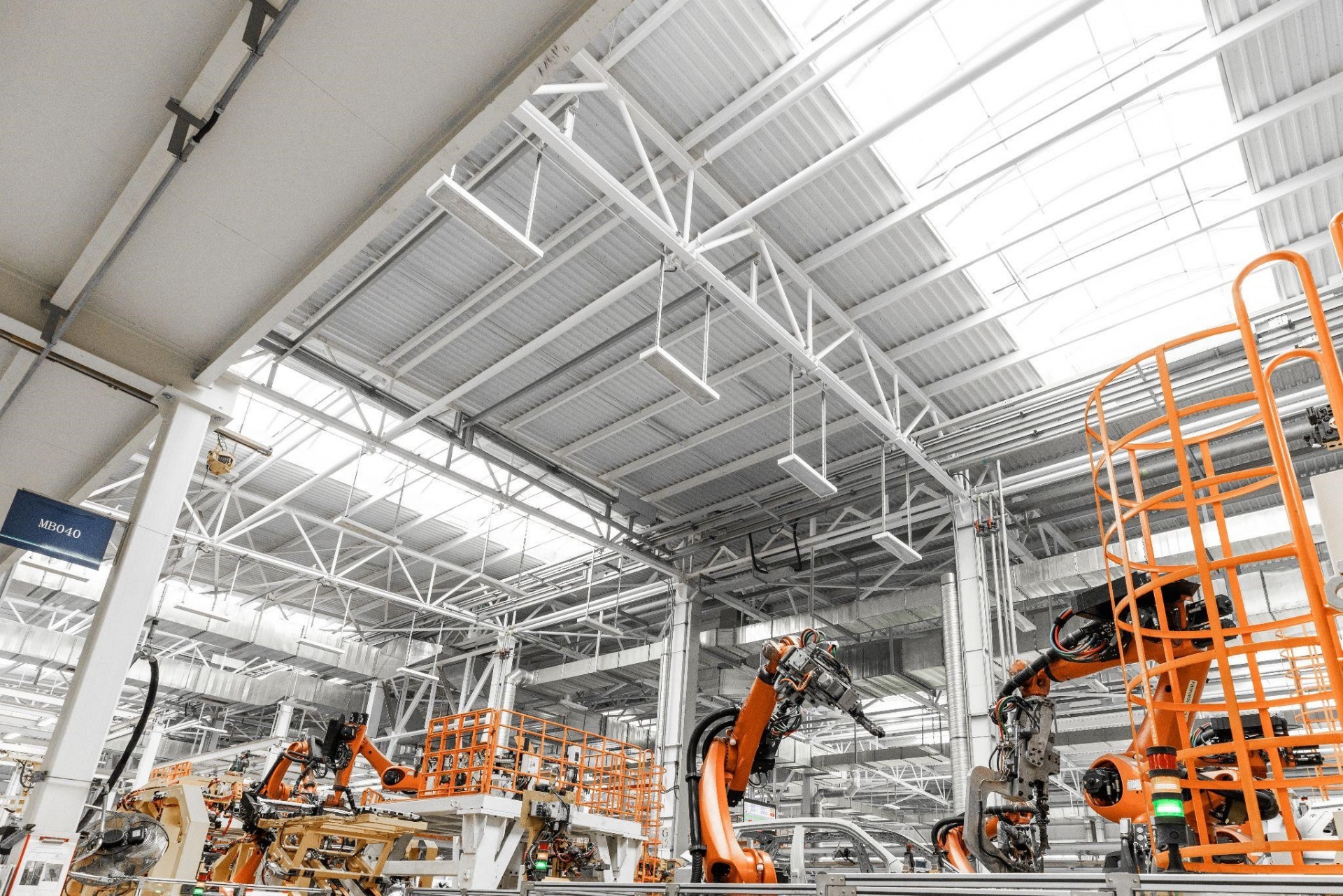
They then visited the factory floor to assess the machinery's wear, depreciation, year of manufacture, energy consumption, and emissions. This on-site investigation fed directly into a technical assessment plan and a round of formal measurements. Once the findings were evaluated against Vietnam's technology classification criteria, they were compiled into an official inspection certificate, a process that typically takes 15-30 working days.
The enterprise, pressed by its deadline, received the certification needed and secured approval for its project extension. Without this timely documentation, the company would have faced severe consequences beyond a mere paperwork delay. Production would have halted, shipments to international buyers committed under signed contracts would have been delayed, and the enterprise would have been vulnerable to cancellation claims and damages.
Vinacontrol estimates that the timely certification prevented potential losses of around $1.4 million, highlighting the critical importance of technology assessment in regulatory compliance.
Written by urgent.news from Vietnam Investment Review's reporting — not their text. Machine-written — may contain errors; check the original before relying on it.