Tech leads losses as Asian stocks track Wall Street selloff
HONG KONG: Technology stocks were back in the crosshairs of investors Wednesday, taking another heavy blow from a spike in bond yields, rising oil prices, persistent inflation and dimming hopes for a deal to reopen the Strait of Hormuz.
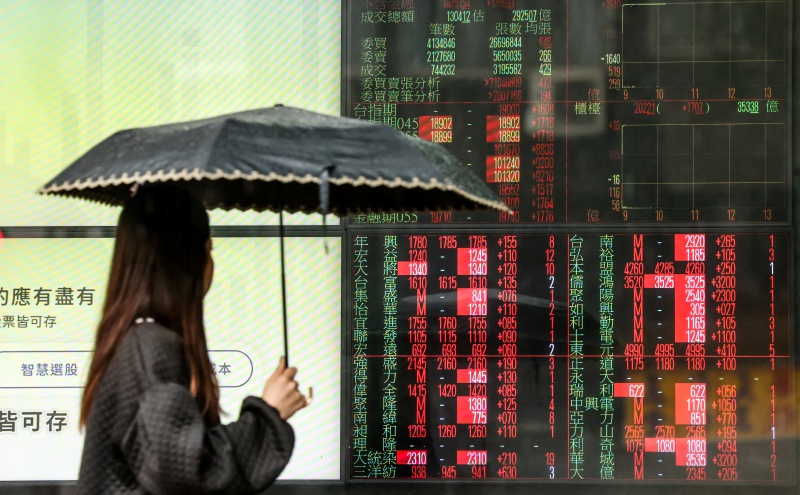
HONG KONG - Technology stocks were once again under heavy pressure on Wednesday, as investors grappled with a surge in bond yields, higher oil prices, persistent inflation, and dwindling hopes for resolving the Strait of Hormuz conflict. The downturn mirrored the recent slide on Wall Street, where firms with significant investments in artificial intelligence (AI) and semiconductors experienced sharp declines, dampening a brief recovery in the sector following a dismal July.
The Middle East crisis showed no signs of abating, with US and Iranian officials remaining entrenched in their positions and seemingly prepared for a protracted standoff. This situation has driven crude prices upward, as traders consider the likelihood of the crucial strait remaining closed. This development has fueled inflation expectations, which have driven U.S. government debt costs higher.
The yield on a 30-year U.S. Treasury surged to its highest level since June 2007, preceding the global financial crisis, while 10-year yields are now higher than before the first U.S.-Iran strikes on Iran in late February.
U.S. tech and chip giants like Nvidia, Intel, Micron, and Broadcom suffered significant losses, contributing to the decline of the Nasdaq and S&P 500 indices. In Asia, South Korea's Kospi index, once the shining example of the AI tech rally, dropped more than five percent as chip leaders SK hynix and Samsung fell at least seven percent.
Tokyo's Nikkei shed more than two percent, with Kioxia down around 10 percent and investment giant SoftBank not faring much better. Shanghai, Taipei, and Manila also saw declines above one percent, while Hong Kong, Sydney, Singapore, and Jakarta also recorded losses.
Higher yields will increase borrowing costs for technology giants, raising questions about the outlook for capital spending and the potential impact on AI infrastructure companies, according to Kazunori Tatebe of Daiwa Asset Management. Both major crude contracts rose more than one percent, with Brent crude hovering around $92 a barrel as the odds of a Middle East deal diminished.
The U.S. president, Donald Trump, has ruled out any talks with Iran, and his son-in-law, Jared Kushner, has stated that "there are no talks or conversations going on, or scheduled, with the Islamic Republic of Iran." The Naval Blockade remains in effect.
Analysts caution that the prospect of a prolonged spike in crude prices is causing concern among traders. With oil prices nearing $90 a barrel, there is growing worry about the potential for a more extended inflation shock. Federal Reserve officials are under pressure to raise interest rates to combat inflation, which has remained near the central bank's 2 percent target for five years.
The arrival of central bankers and finance officials at the Jackson Hole, Wyoming, gathering later this month is seen as a crucial event where Federal Reserve Chair Kevin Warsh's speech will be closely scrutinized for clues on the Fed's future plans. Minutes from the bank's most recent policy meeting, due out later Wednesday, could provide insights into decision-makers' thinking.
Written by urgent.news from New Straits Times's reporting — not their text. Machine-written — may contain errors; check the original before relying on it.
This story
This is one outlet's version. Read the fullest account.
- Global Market Today: Asian equities decline as chip selloff extends economictimes.indiatimes.com
- Tech leads losses as Asian stocks track Wall Street selloff channelnewsasia.com