Target earnings analysis: questions answered and next catalysts
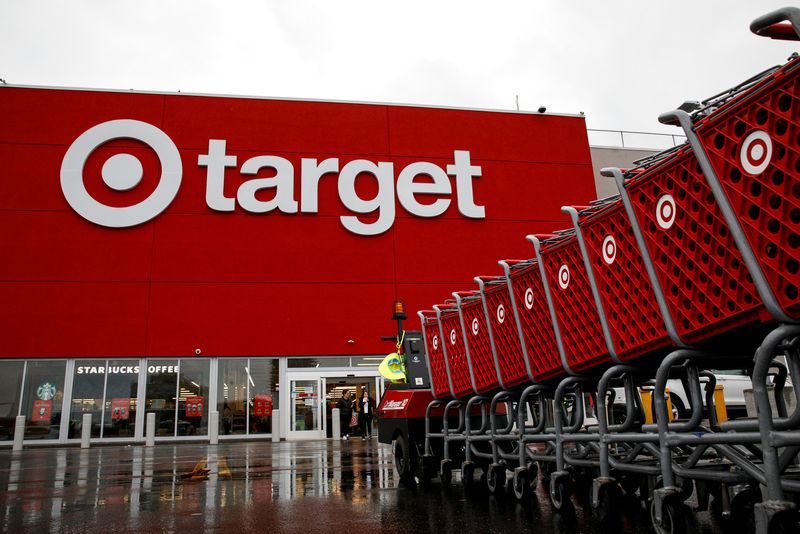
Target reported a 76% EPS beat of $4.11 compared to the expected $2.33, driven by $26.54 billion in revenue. This marks the third consecutive quarter of raised guidance under CEO Michael Fiddelke. However, the stock initially dipped 4% premarket before recovering to a gain of 5.79% at $161.32, demonstrating market uncertainty over potential $1 billion in tariff refunds masking softer discretionary categories.
Target's market capitalization stands at $69.26 billion with a price-to-earnings ratio of 21.3x and a dividend yield of 3.0%.
The headline numbers suggest a recovery, but the details reveal the real story: the $994 million tariff refund contributed 3.7 percentage points to gross margin. Excluding this, underlying EPS still grew approximately 20% year-over-year, indicating solid performance for a retailer under current conditions. Management raised full-year guidance for the third straight quarter, with sales growth now expected at approximately 5% (up from roughly 4%) and EPS guidance moving to $9.90-$10.90 from $7.50-$8.50. This upward revision is not a one-off result.
The categories driving growth include food and discretionary frequency categories, with snacks up 15%, Lego up 30%, plush toys up 20%, and Heyday Electronics $10 headphones up 35%. However, CEO Fiddelke acknowledged that apparel and home were only barely positive, indicating that significant improvements are needed. Target is reinvesting the tariff windfall by pricing 10,000+ items lower, with about 95% of school supplies now priced below last year, aiming to gain market share.
Digital performance is also robust, with digital comps up 8.7%, same-day delivery growing 25%, and Target Plus Marketplace achieving $1 billion in GMV (with 35% growth), accounting for roughly 20% of total sales.
Shareholders will be pleased as Q2 dividends totaled $518 million ($1 billion+ for the year), targeting a 40% payout ratio over time. Share buybacks are set to resume in the second half of 2026, contingent on cash generation. Despite the beat, investor concerns were evident as the stock dipped premarket. While Target's Q2 showed strong operational execution — including traffic growth, digital acceleration, and margin expansion — the temporary lift from the tariff refund may mask slower recovery in discretionary categories.
The stock seems to have priced in the turnaround, and meaningful progress in apparel and home categories will be crucial for further gains.
The upcoming Beauty Studio launch and holiday season will serve as key tests. Converting Target's 3% retail market share into 4%+ through innovative merchandising and digital excellence could justify the current valuation. Conversely, if discretionary spending continues to weaken, the 21x price-to-earnings multiple could turn into a liability.
Written by urgent.news from Investing.com's reporting — not their text. Machine-written — may contain errors; check the original before relying on it.