Target Corporation (TGT) vs. Walmart (WMT): A Closer Look at Two Dividend Giants
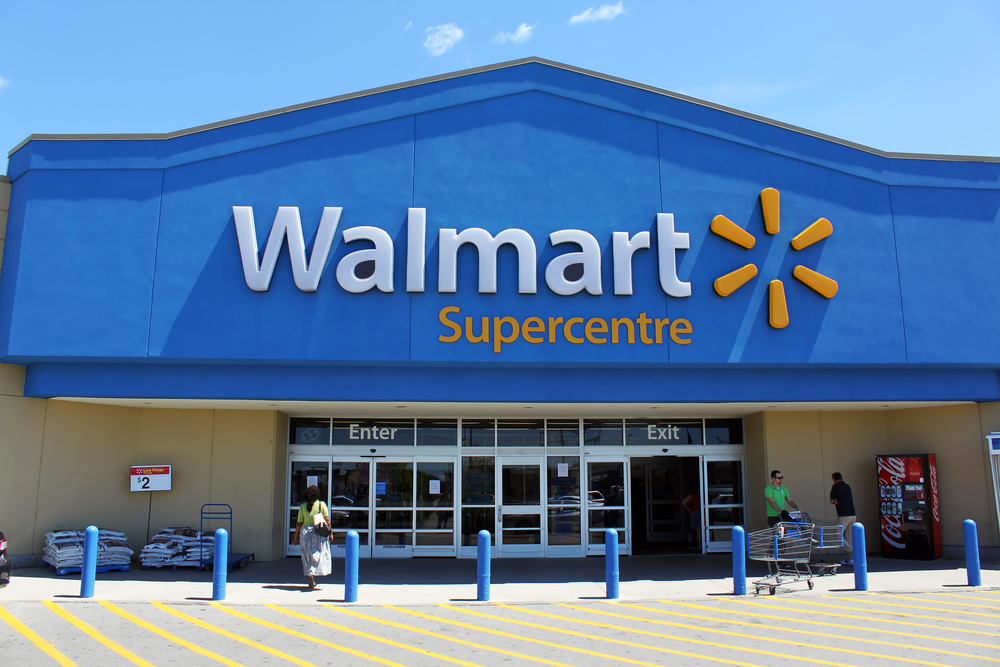
Target Corporation (TGT) and Walmart Inc. (WMT) may appear similar at first glance for dividend investors, both having decades of annual dividend increases. However, their income profiles differ significantly. Target pays $1.16 per share quarterly, or $4.64 annually, after a 1.8% increase, yielding around 2.9%. Walmart's annual dividend is $0.99 per share, reflecting a 5% increase, but with a lower yield of about 0.8%. For income-focused investors, Target holds a clear advantage.
Both companies boast impressive dividend histories; Target is on track for its 55th consecutive year of increases, while Walmart trails closely with 53 years. The recent 1.8% dividend increase by Target contrasts with Walmart's 5% increase, suggesting Walmart has more room for dividend growth. Cash flow also sets these companies apart.
Target generated $6.6 billion in operating cash flow in 2025, paying $2.1 billion in dividends and retaining $2.8 billion in free cash flow, though much of this was reinvested in capital projects. Walmart, however, generated $41.6 billion in cash flow and $14.9 billion in free cash flow after $26.6 billion spent on capital expenditures.
This leaves Walmart with a more substantial cushion to fund its dividend and invest in its business.
Target's business model leans towards discretionary spending like apparel, home goods, and merchandise, which can be vulnerable to consumer caution. However, it recently reported strong comparable-sales growth (3.8%), traffic growth (3.6%), and digital-sales growth (8.7%). Management raised its full-year sales forecast, highlighting potential for brighter sales and cash flow.
Target's strengths include private-label brands, extensive store networks, and innovative same-day fulfillment capabilities. The real question is whether these efforts will lead to consistent cash-flow growth and raise the dividend.
Walmart operates in a more defensive space, benefiting from essential spending habits that remain resilient during economic downturns. Its vast store network also aids in online fulfillment, pickup, and delivery. Walmart is investing in growth areas like advertising, memberships, its marketplace, and technology, offering a diversified revenue stream that supports its dividend. Its grocery business and international operations further bolster its cash flow and dividend reliability.
The decision for dividend investors boils down to yield versus sustainability. Target offers a more attractive yield around 2.9% and a longer dividend growth record, albeit with a smaller cash flow cushion and dividend growth dependent on retail recovery. Walmart, conversely, boasts a much larger cash flow generator, providing greater flexibility for maintaining and growing its dividend. For current income, Target is the preferable choice, while Walmart offers a stronger base for long-term dividend reliability.
Written by urgent.news from Yahoo Finance's reporting — not their text. Machine-written — may contain errors; check the original before relying on it.