Swapping car miles for e-bike miles has meant I've lost weight and reduced my resting heart rate by 6bpm – cycling is more accessible than you think
Richard Shrubb discovered he needed to exercise to be 'easier to get along with', but riding an e-bike has seen him get fitter, lighter, and richer via saving on fuel
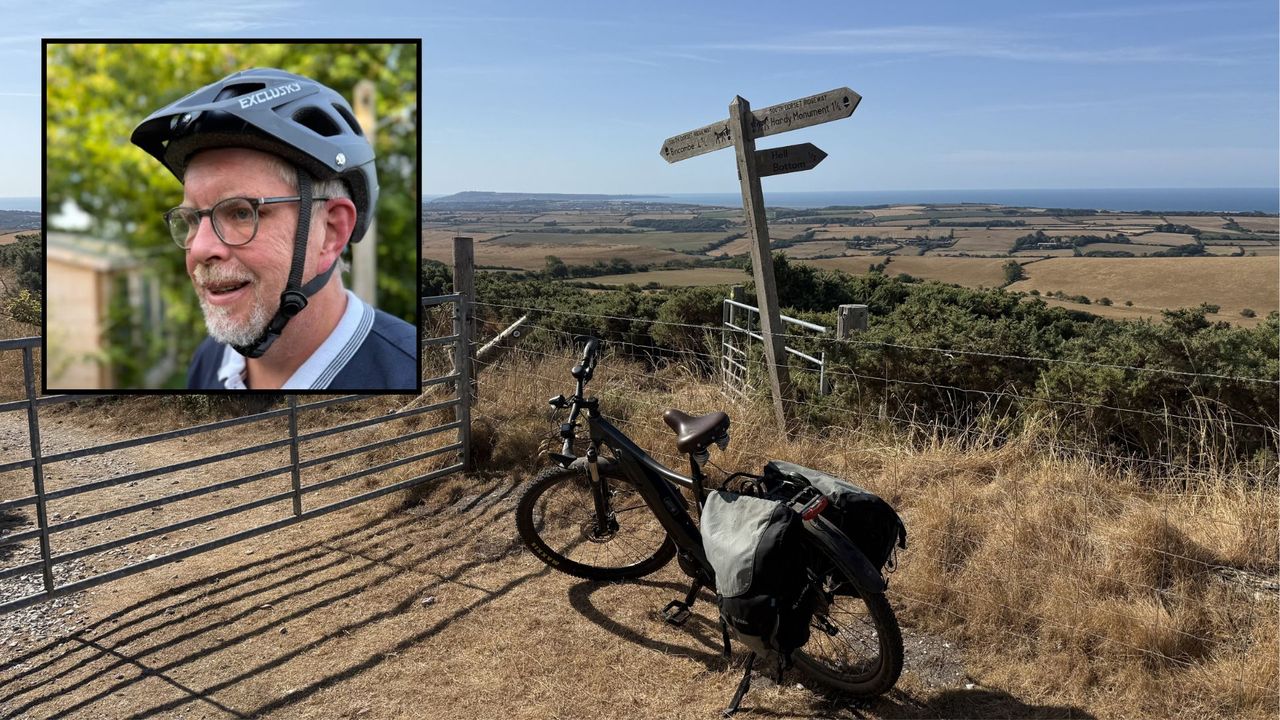
I started my day by tackling a steep climb on my beloved 20-mile route. My heart rate soared to 159bpm – nearly three times its resting pace. I was pedaling an electric bike, using a moderate power setting. Recently, I would have tackled the entire route in full-power mode, resulting in a similar heart rate. Later, I stopped by Asda for groceries, boosting my daily cycling.
While I've been riding some form of bike or e-bike for most of my adult life, this year, something changed. My yearly mileage has surged from around 150 miles to 800 in the last six months, with a third of this due to quick trips to the store. Over this time, my Garmin smartwatch has documented my resting heart rate dropping from 61 to 51bpm, and I've shed 5kg, necessitating a wardrobe upgrade.
Many successful writers swear by early morning workouts to bolster their career prospects. In my case, moving in with my wife in Weymouth, Dorset, in November 2024, I realized exercise needed to be more accessible. Initially, I began walking at 6am to keep my marriage strong – a result far more valuable than any career advancement.
However, lately, the bike has become my primary mode of transportation. Picking up groceries at Asda, located just 1.5 miles away, becomes a 10-minute ride down the Rodwell Trail, a shared-use cycling and walking path. This makes my trips just as swift as driving in traffic. Before 2012's Olympic Games, my local council in Weymouth and Portland developed an extensive cycling network around the town.
Consequently, about a third of my rides nowadays are not about strengthening relationships but rather getting groceries or running errands. At approximately 12p per mile in petrol, I would have spent around £32 on fuel for those avoided journeys. Charging my e-bike costs about 12p for every 60 miles, resulting in a net saving of roughly £31.50 (approximately $42 for our US readers).
I opted for a Giant Talon E+ EX 29er, a trekking e-bike priced around £2,500 (around $3,400). Over time, I replaced the saddle with a comfortable one and switched the coil-sprung fork for an air fork, making off-road riding more comfortable. I also use Maxxis Minion tyres for tackling thick mud. Using a smartwatch, I can track my exercise intensity, and e-bike rides have increased my activity.
My Garmin records one intensity minute for each minute my heart rate exceeds 100bpm and two minutes for each minute above 125bpm. I strive for 70 intensity minutes daily, a simple way to gauge how hard I'm working instead of just focusing on the distance. Living in rural Dorset, with ample off-road opportunities including the Wessex Ridgeway Trail, I particularly enjoyed the idea of a trekking e-bike.
I imported it from Germany, but it's more like comparing a VW Golf to a Bugatti Veyron. I've replaced the saddle with a comfortable one and swapped the coil-sprung fork for an air fork, enhancing off-road comfort. I also use Maxxis Minion tyres for moments requiring additional grip in thick mud. A smartwatch can provide a rough gauge of exercise intensity; my Garmin assigns one intensity minute for each minute my heart rate exceeds 100bpm and two minutes for each minute above 125bpm.
Aim for 70 intensity minutes daily for optimal fitness. Despite having a car, the bike has significantly reduced my usage, bringing new health, weight loss, and fitness benefits. While I still need the car for some tasks, it has transformed my life in terms of physical well-being. E-bikes may not provide the same intensity as conventional cycling, but they still offer moderate exercise.
A 2022 meta-analysis of 14 studies revealed that e-cycling generates physiological responses equivalent to moderate-intensity physical activity, placing it above walking. The intensity varies depending on terrain, assistance setting, and the rider's effort. I utilize my e-bike for both fun and hard exercise, such as a recent Ridgeway climb where my heart rate peaked at 159bpm using assistance level 2/5.
Written by urgent.news from Cycling Weekly's reporting — not their text. Machine-written — may contain errors; check the original before relying on it.