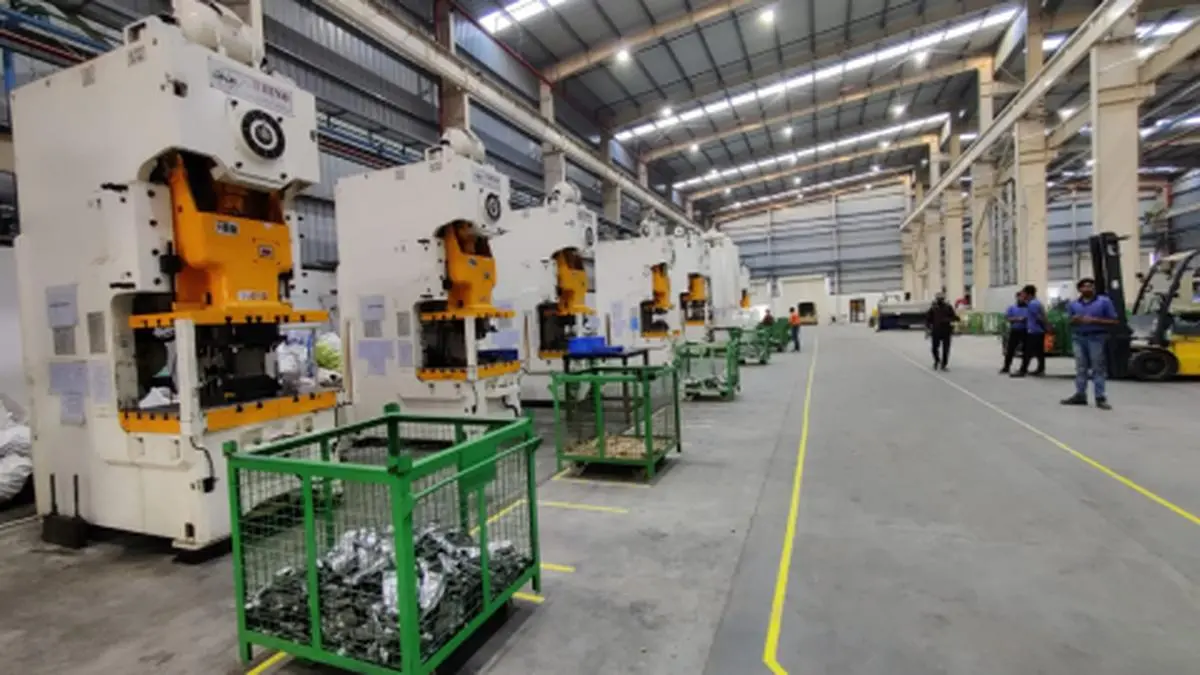
Surging unemployment is Milei’s biggest political threat in Argentina
For a second straight year, the economy is growing yet employment is falling in the formal sector. Only one province, Neuquén, has added businesses during Milei’s tenure. Leer más
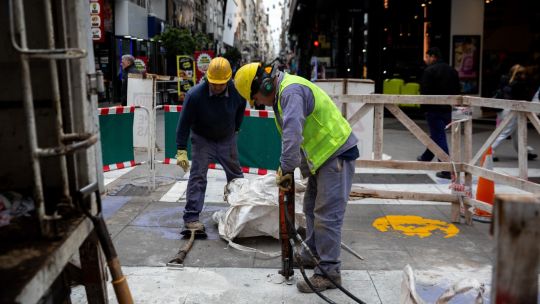
President Javier Milei has managed to lower inflation and poverty rates in Argentina while also eliminating the nation's budget deficit. However, the country's labour market continues to struggle under his leadership. Despite Argentina's economic growth, the formal sector has seen a decline in employment, leading to a 7.8% unemployment rate and a significant portion of the workforce operating in the informal sector.
The drop in private-sector payroll jobs since Milei's election has reached a staggering 241,000, or 4% of the total, while the number of private-sector employers has dropped to the lowest level since 2007. Only one province has added businesses during his tenure, suggesting that workers are not transitioning to thriving industries.
Labour Secretary Julio Cordero did not respond to interview requests, but unemployment has consistently been ranked above inflation as the top economic concern among voters. Milei's policies, while successful in reducing inflation, have also led to job losses in the public sector and made services more expensive, ultimately impacting disposable income and consumer spending.
As a result, job creation has become a crucial factor in consumer confidence and Milei's re-election prospects next year.
Written by urgent.news from Buenos Aires Times's reporting — not their text. Machine-written — may contain errors; check the original before relying on it.