Supermarkets ‘actively shielding’ shoppers as food inflation falls again
Food inflation fell again in July to its lowest level in nearly five years, as retailers claim they are “actively shielding” consumers from worse price rises. The rate of food price inflation slipped to 1.3 per cent last month, down from 1.7 per cent in June, to reach the lowest point since September 2021. Industry [...]
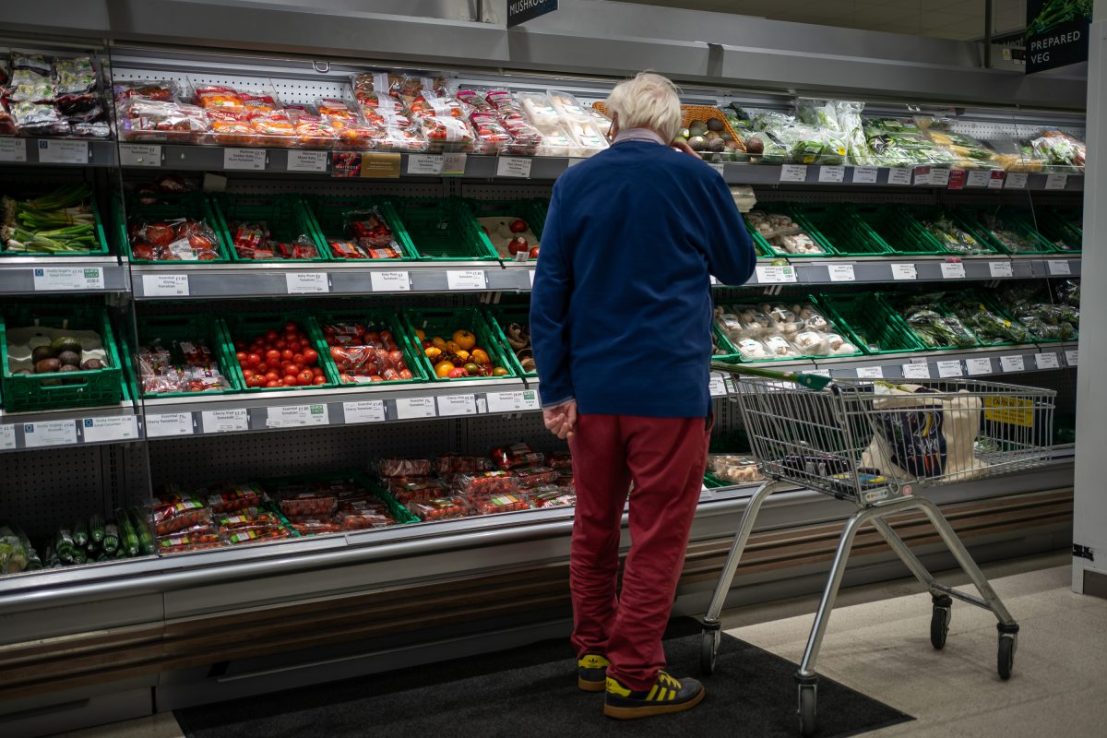
Food inflation dropped in July to its lowest point in nearly five years, with retailers claiming they are "actively shielding" consumers from even higher price increases, according to a recent report. The rate of food price inflation in July was 1.3 percent, down from 1.7 percent in June, marking the lowest level since September 2021.
Industry experts had previously warned that food inflation could reach a staggering 10 percent this year, but retailers insist they are keeping prices under control through aggressive discounting.
The British Retail Consortium (BRC), representing major supermarkets like Tesco, Sainsbury's, and Asda, stated that it is up to grocery stores to maintain low prices in the absence of government assistance. Harvir Dhillon, the BRC's lead economist, emphasized that retailers are "actively shielding" consumers from inflationary pressures sweeping across the economy.
He added that controlling inflation should be a top priority for the government led by Andy Burnham, but warned that rising costs associated with government policies could hinder these efforts.
Retailers have previously put pressure on the government to lower employment costs, energy bills, and tax on non-recyclable packaging. In May, Next boss Lord Wolfson highlighted that the government's crackdown on zero-hour contracts would make it more difficult for the company to offer additional hours to its employees. However, Dhillon suggested that if the government reduces energy bills, employment costs, and rebalances business rates away from the retail sector, these savings can be passed directly to customers at the checkout.
The Food and Drink Federation (FDF), representing the UK's 1,200 food manufacturers, had previously predicted that the ongoing war in Iran could cause food inflation to soar as high as 10 percent this year. Factors such as soaring supply chain and energy costs were cited as potential contributors to this surge in prices. However, Liliana Danila, the FDF's chief economist, reported that food inflation continues to fall due to manufacturers learning from previous energy shocks, such as the war in Ukraine in 2022. Manufacturers have adapted their contracts and diversified suppliers to keep costs down.
While the headline rate of food inflation declined in July, prices increased the fastest for fish (13.6 percent), water (9.9 percent), and preserved fruit (8.1 percent). Conversely, prices fell for 16 categories, according to the Office for National Statistics (ONS), including pizza (-8.5 percent), butter (-5.3 percent), and jams and marmalades (-5.1 percent).
Written by urgent.news from City AM's reporting — not their text. Machine-written — may contain errors; check the original before relying on it.