Stocks waver, dollar drops as US Treasury moves to lower bond yields
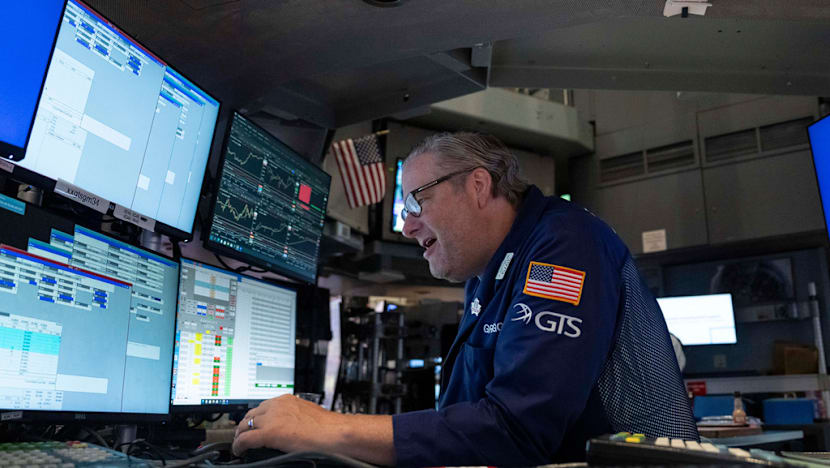
On Wednesday, August 19, stock markets experienced a mixed performance with the dollar dropping significantly as the US Treasury signaled plans to lower government bond yields. This move eased concerns that higher borrowing costs could negatively impact global economic growth. Oil prices surged due to uncertainties surrounding the reopening of the Strait of Hormuz for tanker traffic, heightening inflation fears since the US-Iran war began six months ago.
These fears, combined with worries about increasing government deficits, led to a decline in bond prices, thereby raising the interest rates investors demand for financing state borrowing. Higher interest rates pose a significant threat to tech companies, which have been heavily investing in AI, fueling investment momentum across the market.
However, the US Treasury unexpectedly announced it would significantly increase its sovereign bond buybacks, aiming to lower 30-year yields that have surged in recent days. Neil Wilson, a strategist at Saxo Markets, emphasized that this decision signaled the Treasury's determination to keep higher US yields from reaching unacceptable levels. This news provided a much-needed relief for equities, which had been under pressure due to the anticipation of multi-year/decade high sovereign yields.
While Wall Street indices saw modest gains, with the S&P 500 ending the day up 0.2%, the increase in bond buybacks reassured investors. Minutes from the Federal Reserve's last meeting revealed that several policymakers believed interest rate hikes would be necessary if inflation failed to decline. Economic activity continued to expand at a solid pace, but business investment was primarily focused on AI industry expenditures.
Oil prices persisted in rising due to the diminished likelihood of a Middle East deal, fueled by US President Donald Trump's refusal to extend a 60-day truce with Iran. Despite a recent period of calm in the US-Iran conflict, the Strait of Hormuz remains a volatile area, marked by continuous naval blockades, attacks on commercial ships, and Iran's warnings to Gulf countries against aiding the US military.
In other news, official data from the UK revealed a surge in inflation to 2.9% in July, primarily driven by higher energy costs. In Asia, the South Korea's Kospi index plummeted by 5.8% due to renewed concerns about AI prospects, causing SK hynix, a chip titan, to lose nearly 10% and Samsung almost 8%. Following the close of Asian markets, SK hynix announced plans to buy back an impressive USD 29 billion worth of its shares to bolster the stock and appease investor concerns.
On the corporate front, US biopharma group Moderna saw its share price more than double after receiving positive results for a key skin cancer vaccine being developed in partnership with Merck. Moderna's stock surged to USD 174.38, while Merck experienced a 12.6% increase.
Written by urgent.news from Channel News Asia's reporting — not their text. Machine-written — may contain errors; check the original before relying on it.