Spanische Nordafrika-Exklave: Ceuta: Spanien will 500 Minderjährige aufs Festland bringen
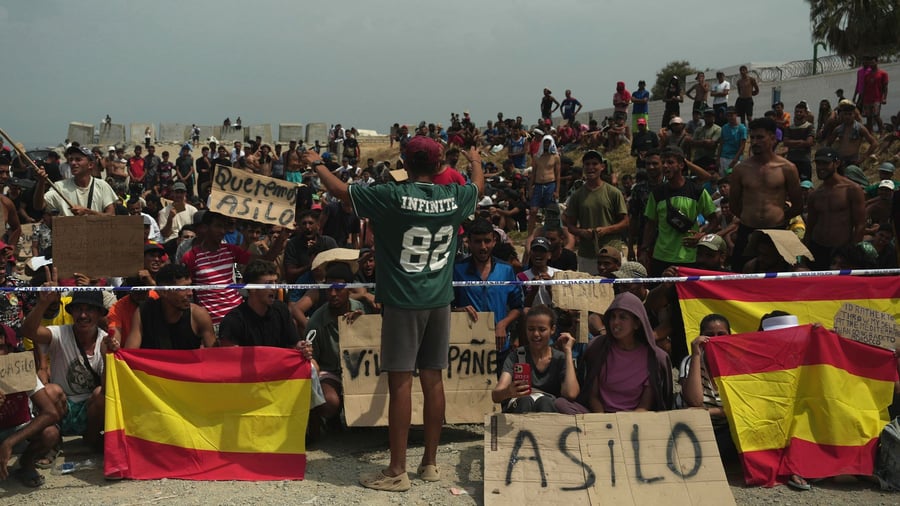
Nach dem beispiellosen Migrantenansturm steht Ceuta vor enormen Herausforderungen. Für rund 500 besonders schutzbedürftige Kinder und Jugendliche plant Spanien nun eine schnelle Lösung.
Madrid - In response to a mass arrival of migrants at the end of July, Spain plans to bring approximately 500 particularly vulnerable unaccompanied minors from Ceuta, a Spanish enclave in North Africa, to the mainland. The Integration Minister Elma Saiz confirmed this through an interview with the Spanish radio station RNE, according to media reports.
The central government in Madrid is working in collaboration with Ceuta's authorities and regional governments to implement this solution, she said. The children will be cared for in specialized facilities on the mainland by child protection organizations. Reports suggest a "binding and solidarity-based reception of minors" by all regions of Spain, as well as placement in foster families.
The provisional number of around 500 minors is subject to change. Saiz could not provide further details about the plan, but emphasized that the "overarching interest of the child" must be protected. Ceuta receives support of 25 million euros, and Spain has also requested emergency funds from the EU. Since the mass arrival in late July, the Spanish National Police in Ceuta identified and handed over 2,168 unaccompanied minors to the local authorities, according to the state TV channel RTVE.
At the end of July, estimates suggested up to 80,000 migrants reached Ceuta, mostly by swimming to the enclave near the Strait of Gibraltar. Most of them returned to Morocco shortly after. Following the latest official count, 83 bodies were recovered from the sea, though non-governmental organizations estimate the death toll to be well over a hundred.
According to Interior Minister Fernando Grande-Marlaska, around 5,000 migrants currently remain in Ceuta, originating from countries such as Morocco and others in sub-Saharan Africa. The supply and accommodation of these people, most of whom are unaccompanied minors, including many girls, continue to pose significant challenges for authorities.
Written by urgent.news from Handelsblatt's reporting — not their text. Machine-written — may contain errors; check the original before relying on it.