Some Tesla owners are using Full Self-Driving for 95% of their trips, but they're still legally in control
Tesla's Full Self-Driving (Supervised) remains a Level 2 driver-assistance system. The person behind the wheel is responsible for the vehicle at all times, even when the software is steering, braking, and controlling speed. Read Entire Article
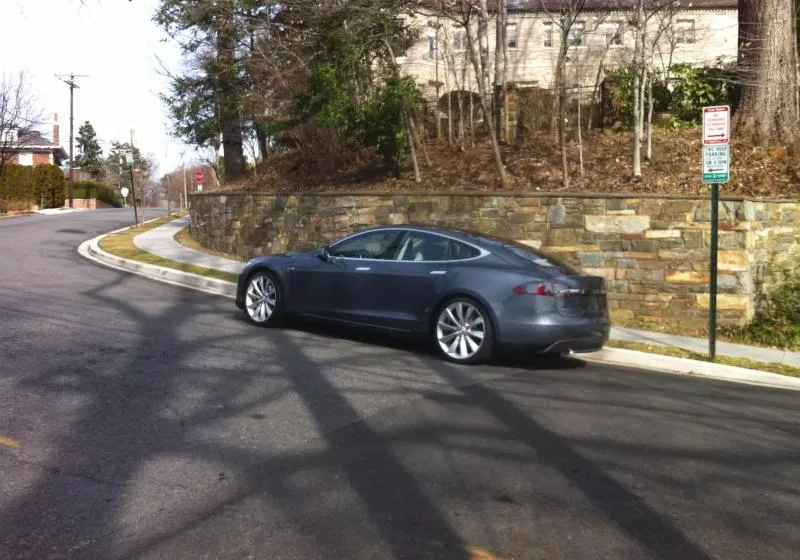
Tesla owners are increasingly utilizing the company's Full Self-Driving (Supervised) software for a majority of their trips, even though they remain legally responsible for the vehicle at all times. This system, while capable of navigating city streets, freeways, and neighborhood roads, falls short of full autonomy as defined by Level 4 systems like Waymo's.
Tesla's approach relies on lower-cost hardware and the data generated by its extensive fleet, with the aim of improving software through scale. However, the distinction between assistance and autonomy is blurring for some users. Rohullah Hashimi, a full-time Uber driver, relies on the supervised system in his 2026 Model Y for 95% of his trips.
Despite the vehicle's navigation of complex urban environments, Hashimi still maintains control behind the wheel. California law does not relieve drivers of responsibility, even when advanced driver-assistance systems are in use. Tesla has updated its monitoring system to include an interior camera that determines if the driver is observing the road, alongside customizable driving profiles.
This shift in control and monitoring has allowed some owners, like Hashimi, to experience measurable improvements in their driving performance.
Written by urgent.news from TechSpot's reporting — not their text. Machine-written — may contain errors; check the original before relying on it.