Senators Criticize Trump Administration’s Demands to Access Health Data as a Condition for Lifesaving Aid
The post Senators Criticize Trump Administration’s Demands to Access Health Data as a Condition for Lifesaving Aid appeared first on ProPublica .
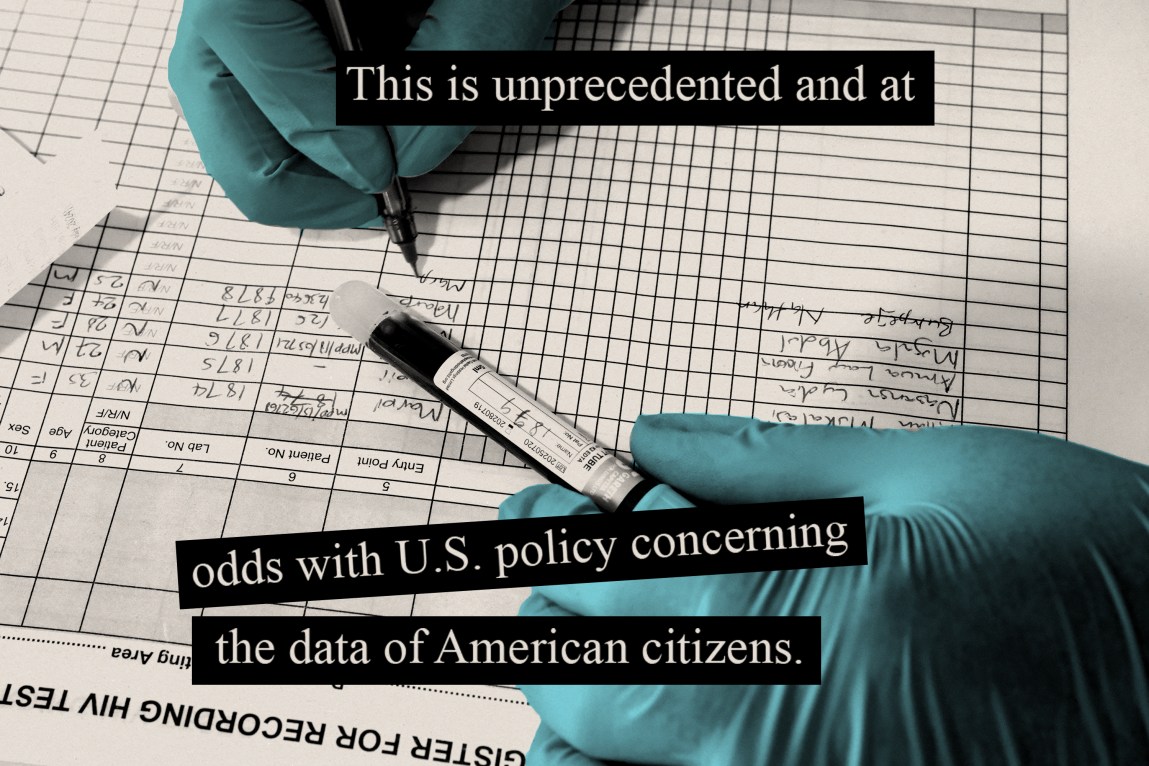
Eight Democratic U.S. senators have lambasted the Trump administration's demand to access health data as a prerequisite for providing crucial aid to foreign nations. In a letter to Secretary of State Marco Rubio, the senators, among them Chuck Schumer and Tim Kaine, expressed concern that the U.S. requirements are "unprecedented and at odds with U.S. policy concerning the data of American citizens."
The senators' criticism stems from a ProPublica report published in June, which detailed the agreements the U.S. made with African countries. Experts have pointed out that these deals lack clear language to restrict what information is collected and how it can be utilized, increasing the risk of exposing, misusing, or commercializing individuals' personal data without their consent.
The senators requested a briefing on the healthcare agreements' data requirements and a written response from Rubio by the end of August to their list of questions. They expressed worry that the requirement to access foreign health data might set international precedents that could harm Americans and contradict the Trump administration's National Cyber Strategy, which emphasizes privacy for American data.
One example cited by the senators is a data-sharing agreement between the U.S. and Uganda. The deal required Uganda to provide the U.S. and its contractors with logins or other secure access mechanisms to directly enter the nation's health data systems. The senators noted that global health programs typically included data sharing components, but previously never demanded direct access to privileged electronic systems for U.S. government representatives.
The senators also asked Rubio about the lack of transparency surrounding the health care agreements, which federal law mandates should be made public. They inquired whether any data would be shared with U.S.-based third parties for commercial purposes, such as training artificial intelligence models, and what privacy rights foreign citizens would have over data transferred to the U.S. and how those rights would be enforced in case of a data breach or unethical use of personal information.
Written by urgent.news from ProPublica's reporting — not their text. Machine-written — may contain errors; check the original before relying on it.