Scientists just discovered a big limitation in lab-grown minibrains — they have a skewed 'sense of time'
Miniature models of the brain don't seem to follow the same developmental timetable as real brains, which matters for research.
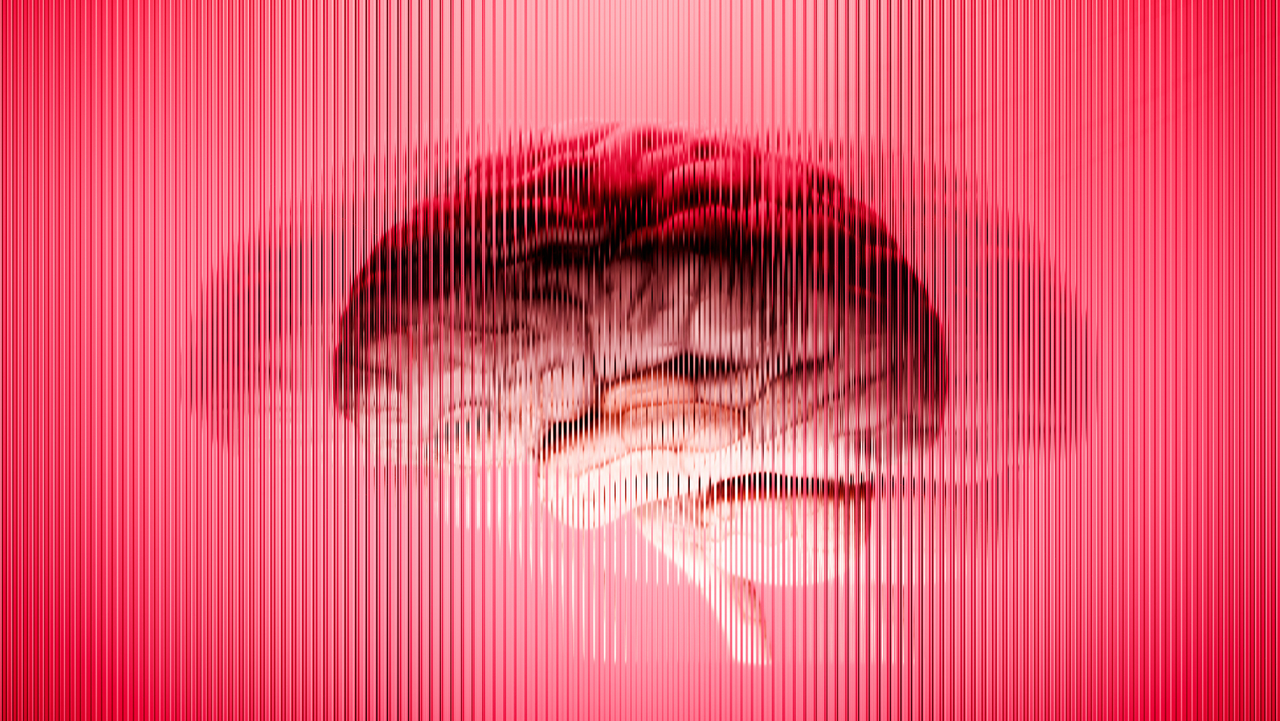
Researchers have uncovered a significant limitation in lab-grown minibrains, revealing they lack a proper sense of time during brain development. These brain organoids, clusters of lab-grown neurons, are used to study brain disorders that arise during fetal development. However, a recent study published in the journal Nature suggests that brain organoids may not accurately replicate the intricate timing of real brains.
The study, led by neuroscientist Simon Hippenmeyer at the Institute of Science and Technology Austria, reveals that RGPs, or radial glial progenitors, form neurons prematurely in brain organoids. In real brains, RGPs first proliferate and then differentiate into neurons, but this sequence is disrupted in organoids. Additionally, some RGPs in organoids produce only one type of neuron, limiting the diversity of neurons that an individual RGP can generate.
Professor Denis Jabaudon, a neurobiologist at the University of Geneva, suggests that external signals, such as blood vessels, extracellular structures, and metabolic signals, may help coordinate the timing of neuronal development in real brains. These signals are absent in brain organoids, leading to the skewed sense of time during brain development.
Identifying these missing signals could help scientists better understand and replicate the natural development process in brain organoids, providing valuable insights into brain disorders that arise during fetal development.
Written by urgent.news from Live Science's reporting — not their text. Machine-written — may contain errors; check the original before relying on it.