Republicans scramble to remake their stance on data centers
The industry “could use a little public relations help,” President Donald Trump acknowledged. But his party is moving with the tide.
As anti-AI sentiment grows, Republicans are repositioning themselves as middle-ground pragmatists regarding data centers. Instead of pushing for a ban, many Republican candidates are advocating for "guardrails" and tax break rollbacks to appease skeptical communities. This strategy aims to align them with President Trump's administration, which attempted to counteract anti-AI activists with a voluntary pledge to support the power demands of new data centers.
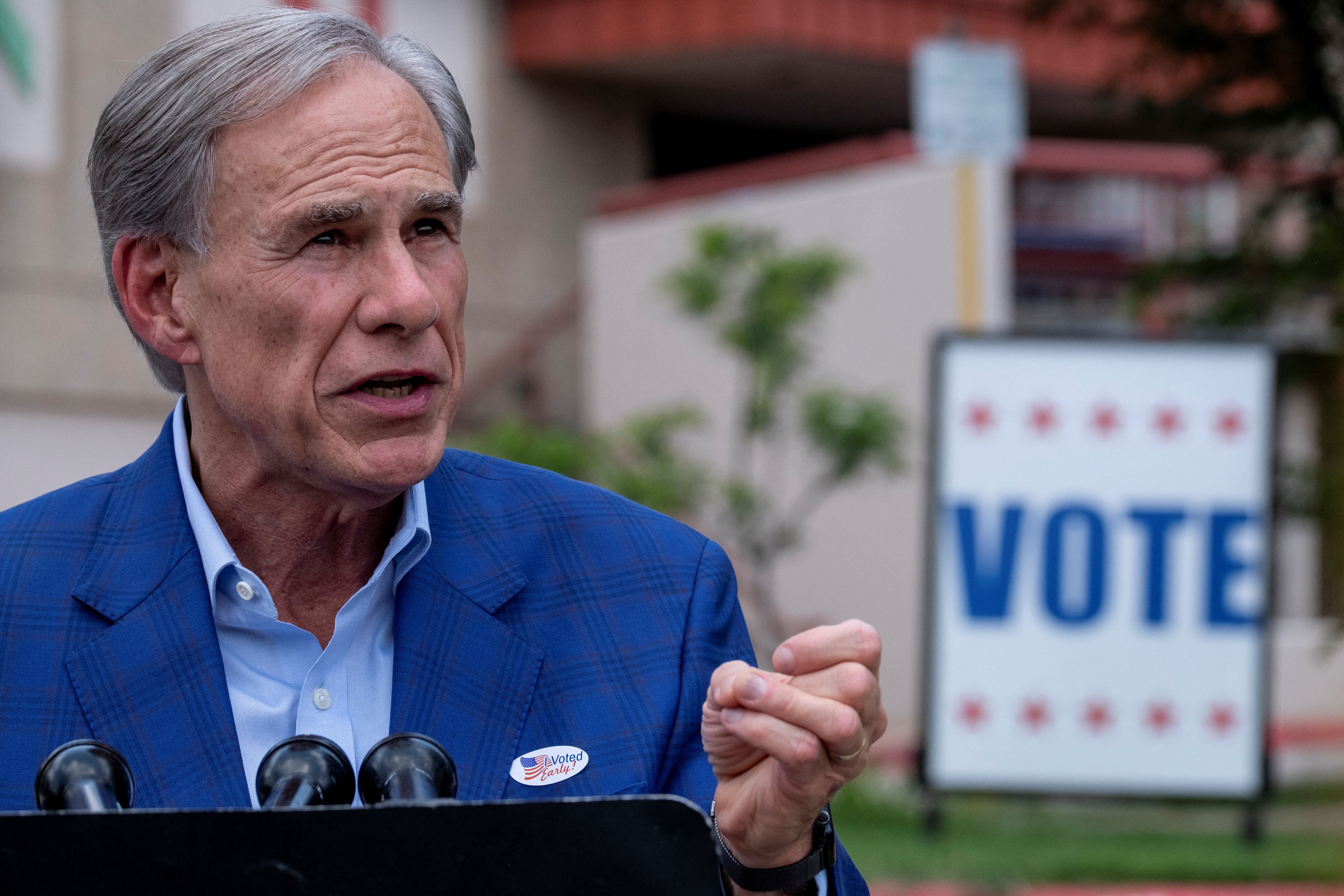
Republicans argue that data centers could benefit from public relations assistance, as President Trump stated. Democrats counter this by highlighting that tech companies prefer the GOP because they receive tax breaks and favorable policies. In Texas, where Governor Greg Abbott is running for re-election, Democrats are criticizing his tax breaks for data centers. Abbott recently ordered an audit of tech companies' energy usage, promising to work with the legislature to repeal the tax breaks if necessary.
Republican candidates across the country are following Abbott's lead, advocating for government management and taxation of data center construction. Florida's gubernatorial nominee, Byron Donalds, has positioned himself as an AI realist, criticizing candidates who favor strict limits or bans on data centers. Similarly, Ohio's gubernatorial nominee, Vivek Ramaswamy, initially supported a more open regulatory environment for data centers but shifted his stance after the primary.
In Wisconsin, Democrats have nominated David Crowley as their gubernatorial candidate, contrasting with the progressive support they initially expected from Francesca Hong. Hong had advocated for a moratorium on new data centers, while Crowley supports a more moderate approach. Republicans have seized the opportunity to attack Crowley's stance, labeling him as "Data Center David."
However, the policy differences between Crowley and Tiffany are minimal, with both candidates supporting community input and requiring data centers to cover their electricity costs.
This shift in Republican positioning is occurring in both Michigan and Wisconsin, but it is most pronounced in Wisconsin. Democrats see this as a potential opportunity to capitalize on the bipartisan consensus forming around the need to roll back tax breaks for tech companies and ensure that data centers provide their own energy.
However, it remains uncertain whether this alignment will persist after the November elections, as the politics surrounding data centers have become highly volatile with both parties adopting populist stances in states where they are seeking power.
Written by urgent.news from Semafor's reporting — not their text. Machine-written — may contain errors; check the original before relying on it.