Put on the headset, enter therapy: How VR is changing trauma treatment
After Oct. 7, a Sderot trauma survivor found relief through anonymous VR group therapy from home; The initiative combines human support with VR and AI, offering new tools for Israel's mental health crisis while raising ethical questions
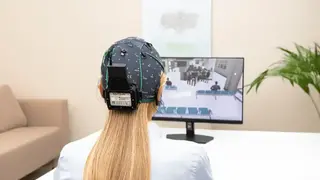
T., a resident of Sderot, experienced the devastating aftermath of a Qassam rocket strike on her home on October 7. Though she was not physically harmed, T. struggled with PTSD symptoms such as panic attacks, freezing episodes, and difficulty leaving the house. To cope, T. joined a virtual reality-based group therapy program, where participants use avatars to remain anonymous while engaging in remote sessions led by a professional facilitator.
The therapy sessions take place in realistic virtual environments, such as forests or space stations, where participants work with the facilitator to process their experiences. Despite the absence of physical interaction, T. found the sessions to be highly effective, as the format sharpened her senses and taught her to notice subtle cues, like a silent participant in distress.
The Israeli startup Neao, in collaboration with the Sderot Municipality, Sheba Medical Center, and National Insurance funds, developed the VR therapy platform. This initiative is part of a broader effort to integrate technology into the mental health system, as the ongoing conflict has exacerbated the need for mental health services. Other virtual community platforms include Dugri and Toko, all featuring human-led sessions and AI-driven support.
ClearSky, founded by Prof. Ehud Davidson, Adi Yoffe, and Ami Ben-Ayon, is spearheading the initiative. They highlight the growing demand for mental health care and the role of advanced technologies in addressing the crisis. ClearSky partners with various organizations, including Google and Teva, to develop and implement these innovative solutions.
One such technology is PRISM, developed by GrayMatters Health, which uses a brain-computer interface and AI to treat post-traumatic stress. Patients undergo 15 sessions that regulate brain activity in response to stress, without medication or recreating traumatic events. PRISM has received FDA approval and is currently available in 16 treatment centers across Israel, helping approximately 2,000 individuals.
While VR and AI-based treatments show promise, ethical and professional questions arise regarding their autonomy and the importance of human connection. ClearSky's Behavideance technology, for example, monitors users' cellphones to identify depression and anxiety. Mild cases are addressed through a supportive chatbot, while more severe cases are referred to professionals.
As Israel tackles its mental health crisis, ClearSky believes that combining technological innovation with human connection is crucial for improving the lives of those affected by trauma.
Written by urgent.news from Ynetnews Culture's reporting — not their text. Machine-written — may contain errors; check the original before relying on it.