Producer Price Inflation rises to 4.0% in July
Ghana’s producer price inflation rose to 4.0% year-on-year in July 2026, up from 3.5% in June, driven largely by higher gold prices and continued increases in utility costs. Data from the Ghana Statistical Service (GSS) show that producer prices increased by 2.0% month-on-month in July, reversing a 3.7% decline recorded in June. The Producer Price […]
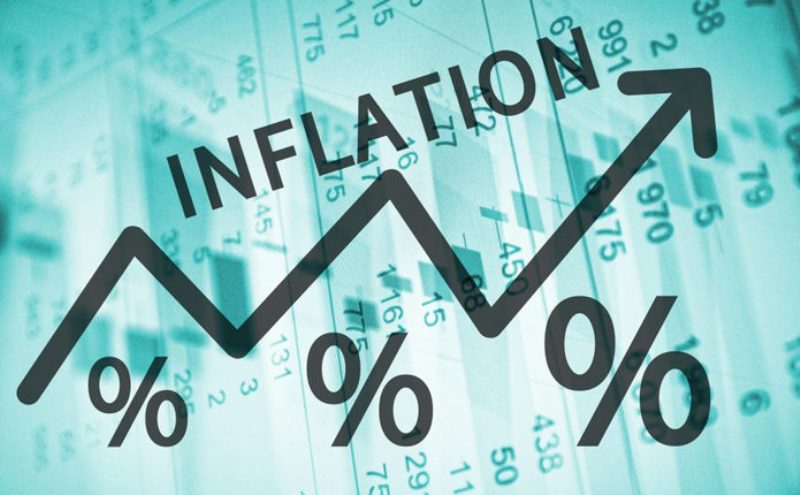
In July 2026, Ghana's producer price inflation climbed to 4.0% year-on-year, an increase from 3.5% in June, according to data from the Ghana Statistical Service (GSS). The surge was primarily attributed to higher gold prices and persistent rises in utility costs. The Producer Price Index (PPI) reached 272.6 in July, up from 267.4 in June and 262.2 in July 2025.
Government Statistician, Dr Alhassan Iddrisu, linked the inflation rise to global gold price hikes, which boosted costs in the mining and quarrying sector. Mining and quarrying's month-on-month inflation surged by 12.4 percentage points, elevating its annual inflation rate from 2.6% to 3.5%. This sector accounts for 43.7% of the index.
Within this sector, crude oil and natural gas extraction saw annual inflation of 12.2%, while metal ore mining experienced a 2.3% decline. Utility costs continued to be a major contributor, with electricity and gas recording the highest annual inflation rate among sub-sectors at 13.3%. Water supply and waste management followed with an inflation rate of 10.1%.
Manufacturing inflation rose to 3.7% year-on-year, with fabricated metal products surging by 25.9% and leather products increasing by 17.4%. However, prices of non-metallic mineral products fell by 2.3%. Service-sector inflation remained relatively stable at 2.5%, though some subsectors saw sharp increases, such as motion picture production at 87.9% and land transport at 23.4%. Telecommunications prices remained unchanged at 0.0%.
Although producer price inflation remains below previous peak levels, the sharp monthly increase signals renewed upstream cost pressures. These could potentially trickle down to consumer prices if sustained. The figures suggest businesses may continue to grapple with rising production and operating costs, particularly in utilities, transport, and certain manufacturing inputs. Households may also feel the impact if higher producer costs are eventually passed on through increased prices of goods and services.
Written by urgent.news from Adom Online's reporting — not their text. Machine-written — may contain errors; check the original before relying on it.
This story
This is one outlet's version. Read the fullest account.