Pacific garbage patch spans 1.6 million sq km as fishing gear dominates debris
Between the shores of Hawaii and California floats a staggering 1.6 million square kilometers of plastic debris. This island of waste includes not just nets and ropes but also countless microplastics that pose serious threats to marine wildlife. Animals often mistake plastics for food, while others become trapped in ghost fishing gear.
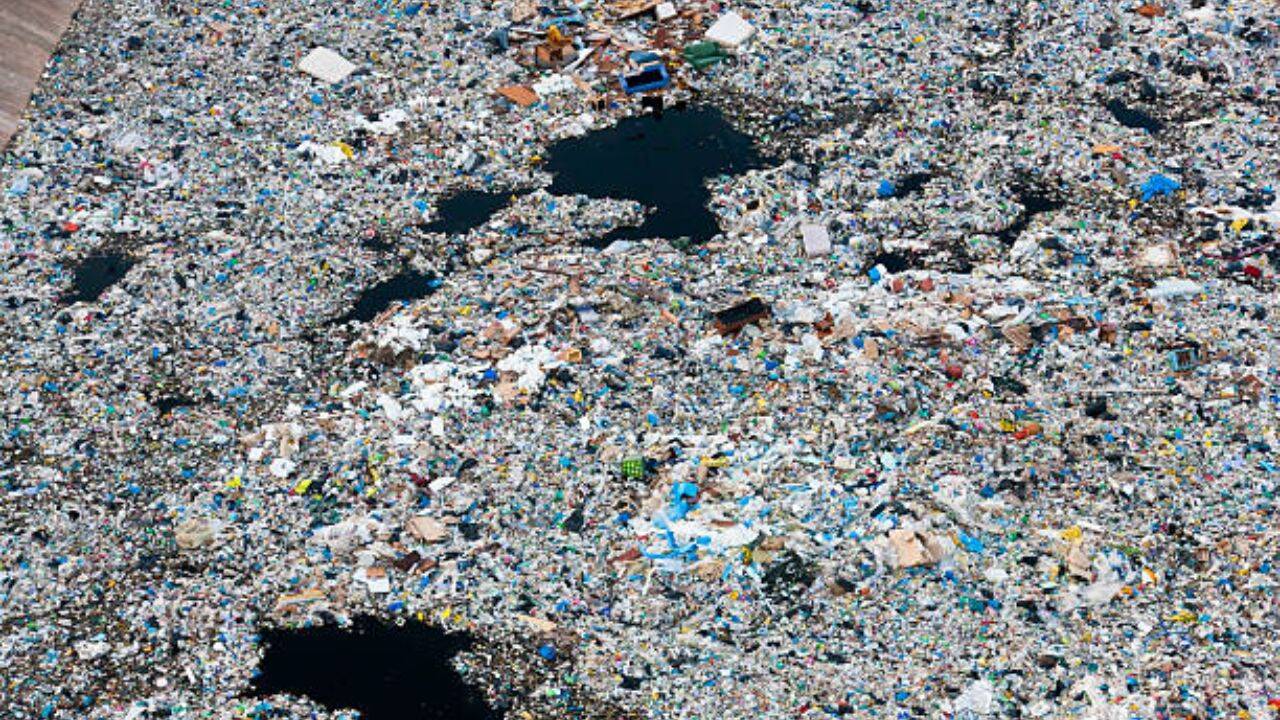
A massive patch of floating debris, spanning 1.6 million square kilometers between Hawaii and California, has been identified as the Great Pacific Garbage Patch. This plastic-rich area, larger than Pará and three times the size of metropolitan France, is primarily composed of fishing gear rather than solid garbage. The debris, consisting of nets, ropes, buoys, containers, and microplastics, is scattered across the North Pacific Subtropical Gyre, a vast ocean current system.
Groundbreaking research in 2018 estimated the patch contains 1.8 trillion plastic pieces, with 79,000 tons of weight, predominantly originating from Japan, China, South Korea, the United States, and Taiwan. This phenomenon, known as "ghost fishing," poses a significant threat to marine life, causing animals to ingest plastic or become entangled in discarded fishing gear.
Although cleanup efforts have been implemented, the study suggests that continuous waste input may outpace removal rates, leading to exponential growth in plastic concentration.
Written by urgent.news from Times of India's reporting — not their text. Machine-written — may contain errors; check the original before relying on it.