Oil market starts pricing in a prolonged Strait of Hormuz crisis
The oil market is increasingly behaving as though disruptions to Middle East energy supplies are not a temporary shock but a new reality. Nearly six months after war erupted between the US and Iran, h...
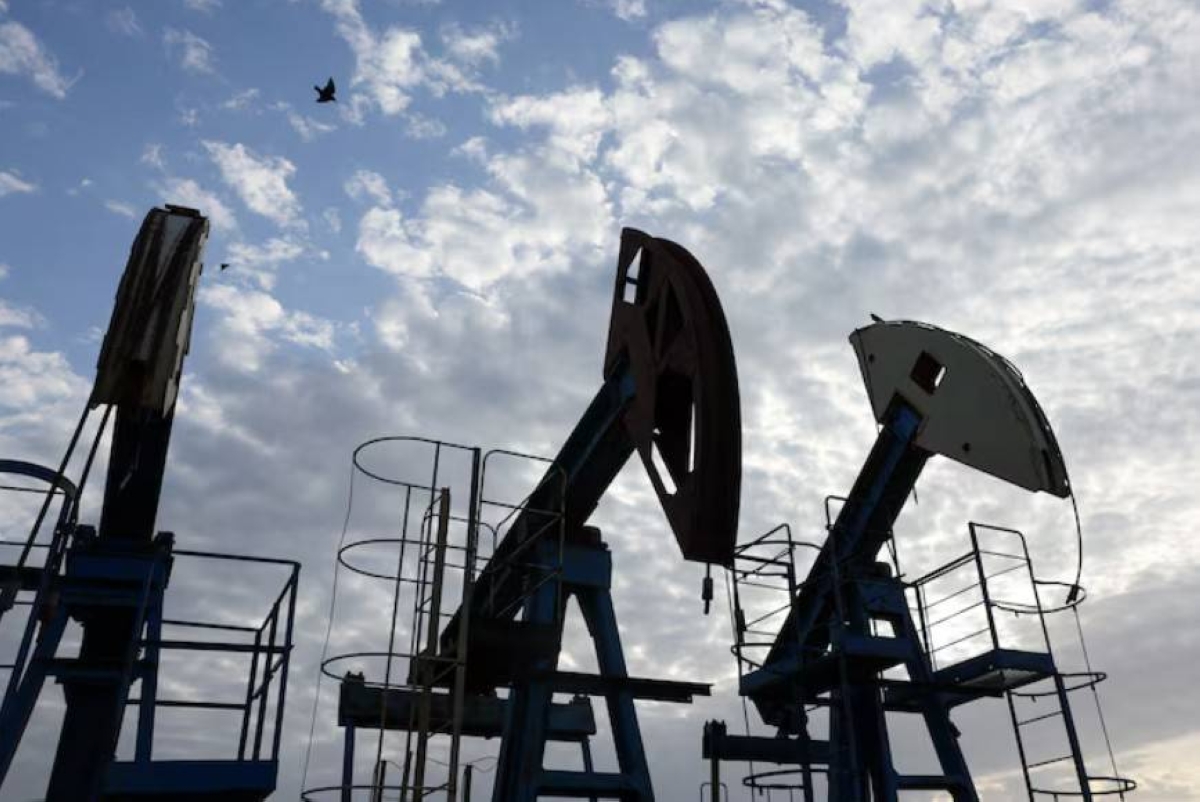
The oil market is increasingly anticipating prolonged disruptions in the Strait of Hormuz, rather than a temporary crisis following the US-Iran conflict. Diplomatic efforts aimed at resolving the dispute have stalled, and both Iran and the US appear unwilling to compromise over the future of the strategic waterway. Iran has threatened to escalate tensions and launch attacks if the US does not fully implement the interim peace deal, while the US has stated its intent to defeat Iran.
This impasse has forced traders to consider the possibility of restrictions on shipping through Hormuz persisting for months. As a result, crude oil prices have stabilized around $90 per barrel, despite being roughly 50% higher than at the beginning of the year. Iran is grappling with economic strain due to the conflict and US blockade, with inflation surging to 80% in July and crude exports plummeting to 294,000 barrels per day (bpd) this month from 1.7 million bpd in 2025.
The US, on the other hand, is facing higher fuel costs, with the average price of gasoline reaching $4.06 per gallon, up 29% from a year ago. Despite the stalemate, the oil market is adapting, with crude and refined product flows through Hormuz falling to 2 million bpd in August from the pre-war average of 18 million bpd. Alternative routes, such as those from the Fujairah terminal in the UAE and Saudi Arabia's Red Sea coast, are also under pressure due to Houthi attacks in Yemen.
Gulf producers are increasingly relying on vessels with disabled tracking systems to transit through Hormuz and Bab el-Mandeb Strait. As long as the Hormuz impasse remains unresolved, uncertainty will persist in energy markets, with refined fuel markets already showing signs of tightness and global oil stocks declining to their lowest levels in a decade.
Written by urgent.news from Gulf Times Business's reporting — not their text. Machine-written — may contain errors; check the original before relying on it.