Oil edges up on uncertainty over exports through Hormuz
Crude oil prices climbed on Wednesday, reaching their highest level in nearly four weeks, as investors grew concerned over escalating tensions in the Middle East following the United Arab Emirates' decision to halt financial and economic dealings with Iran. Brent crude futures closed at $91.62 a barrel, marking a 0.7 percent increase from the previous close, while U.S. West Texas Intermediate crude futures rose 1.1 percent to settle at $85.83 a barrel. Both benchmarks surpassed their highest levels since July 24.
The price surge was fueled by geopolitical tensions that persist in the Middle East, particularly after the UAE severed all financial links with Iran due to recent missile attacks. Dennis Kissler, senior vice president of trading at BOK Financial, explained the market's response to these developments.
On Tuesday, U.S. President Donald Trump announced that no negotiations were underway with Iran, asserting that the Strait of Hormuz remained open. However, Iran disputed this claim, stating the waterway was closed. A ceasefire agreement that had been temporarily in place expired on Monday, and a senior Iranian official indicated that Iran was transitioning to a fully offensive military stance due to the ongoing diplomatic impasse.
There were no reported military strikes on either side on Tuesday. Additionally, Iran has reportedly envisioned military targets in Europe if President Trump escalates the conflict, according to a report by The Financial Times, quoting unnamed sources.
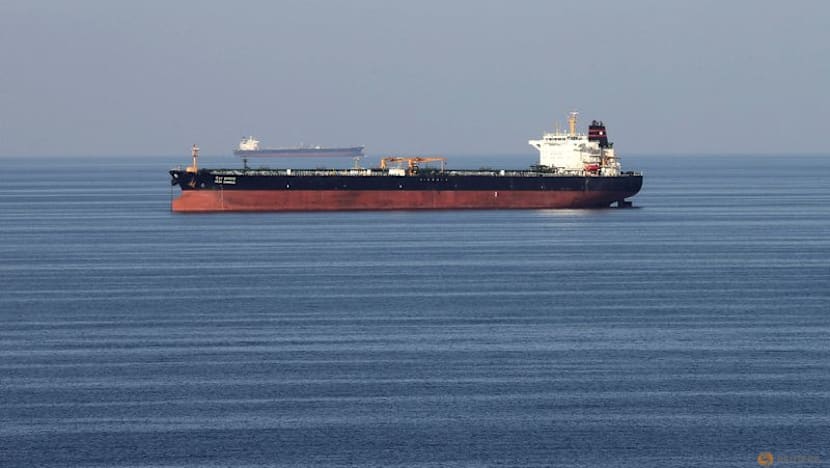
Oil market focus remains on the Strait of Hormuz, through which approximately one-fifth of global oil and liquefied natural gas supplies pass. Six commodity vessels crossed the strait on Tuesday, a significant decrease from the previous day's nine crossings and below the 10-day average of 11 vessels.
Brent crude's move above $91 a barrel indicates traders are pricing in a higher risk premium, potentially driving prices back towards three-digit levels, according to Ahmad Assiri, a research strategist at brokerage Pepperstone. Meanwhile, oil shipments from Russia's western ports have dropped to around 2.3 million barrels per day, a 15 percent decline from initial loading plans, due to disruptions at the Black Sea port of Novorossiysk.
In the U.S., crude inventories increased by 4.4 million barrels to 428.8 million barrels last week, alleviating concerns about tight supplies. Globally, refiners have been actively purchasing crude barrels, driven by high margins and ongoing tight fuel supplies resulting from Ukraine's attacks on Russia's refining sector.
Written by urgent.news from CNA - Business's reporting — not their text. Machine-written — may contain errors; check the original before relying on it.
This story
This is one outlet's version. Read the fullest account.
- Oil edges up on uncertainty over exports through Hormuz brecorder.com
- Oil edges up on uncertainty over exports through Hormuz nst.com.my
- Oil edges up on uncertainty over exports through Hormuz myjoyonline.com
- Oil edges up on uncertainty over exports through Hormuz straitstimes.com
- Oil edges up on uncertainty over exports through Hormuz channelnewsasia.com