New 'landmark' drug shown to prevent recurrence of deadly melanoma
A trial of more than 1,100 patients finds a new experimental drug could prevent one of the deadliest forms of skin cancer from returning.
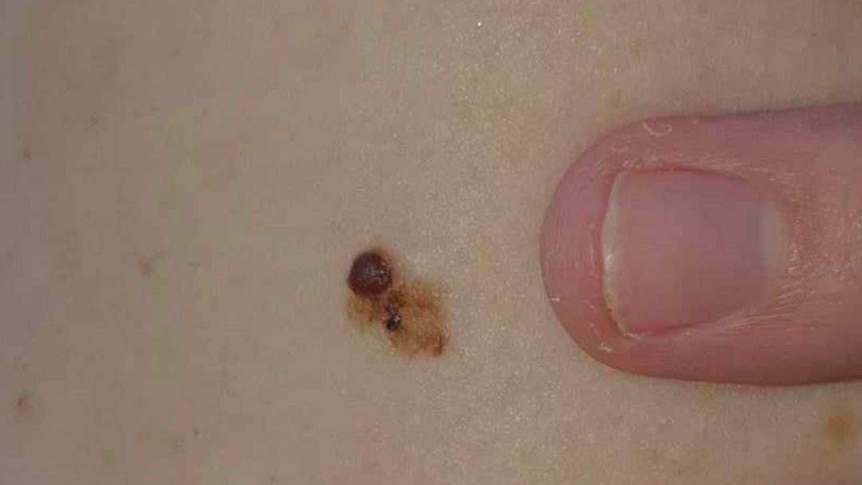
A groundbreaking study involving over 1,100 patients has revealed that a novel experimental drug, intismeran autogene, could potentially halt the recurrence of melanoma, one of the most lethal forms of skin cancer. This groundbreaking mRNA-based therapy, developed in collaboration between pharmaceutical giants Merck and Moderna, employs technology originally utilized in the successful Covid-19 vaccines.
Intismeran autogene, when combined with pembrolizumab, an immunotherapy drug consistently used as a standard treatment for melanoma, demonstrated remarkable efficacy in preventing the cancer's return and its spread to other organs. The research, which involved 1,137 patients who had undergone surgical removal of their tumors, yielded promising results. Two-thirds of the participants received the new treatment alongside pembrolizumab, while the rest received pembrolizumab alone.
The drug's mechanism of action involves extracting a sample of the patient's tumour to identify its unique mutational signature, or 'fingerprint'. Utilizing mRNA technology, the drug then instructs the body to produce specific proteins to combat the cancer. This innovative approach, pioneered during the Covid-19 pandemic, has now been adapted to treat cancer.
According to Professor Georgina Long, the study's principal investigator and medical director of Melanoma Institute Australia, "The results represent a landmark moment for adjuvant melanoma treatment. Intismeran in combination with pembrolizumab has the potential to establish a new treatment paradigm in the adjuvant melanoma setting, helping patients remain cancer-free for longer."
Moderna's CEO, Stephane Bancel, expressed the company's enthusiasm for the trial's outcomes, stating, "Together with Merck, we are now studying intismeran in combination with pembrolizumab and other anti-cancer therapies, and as a monotherapy, across multiple tumour types and stages of disease, including melanoma, lung, bladder and kidney cancers."
Written by urgent.news from ABC News AU's reporting — not their text. Machine-written — may contain errors; check the original before relying on it.