Nato ready to defend allies as Iran weighs strikes on US military targets in Europe
Nato ready as Iran weighs US targets in Europe
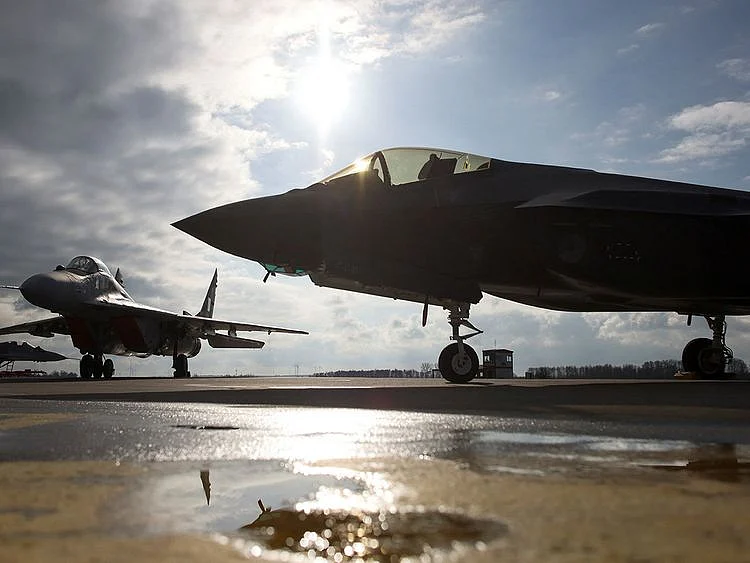
Nato has assured that it is prepared to protect allied territories from any threat posed by Iran, after reports surfaced suggesting that Tehran has considered launching attacks on US military bases in Europe. This warning emerged following a Financial Times report claiming that Iranian forces had evaluated potential strikes on US military assets in southeastern Europe, should President Donald Trump decide to escalate the ongoing war by mounting renewed assaults on Iranian infrastructure.
A Nato spokesperson responded to the report, reaffirming the alliance's commitment to safeguard its members and counter any possible missile threats. The alliance emphasized that its reinforced deterrence and air-defense capabilities would enable it to respond to threats against allied nations and that it would persist in taking necessary measures to shield its members.
While Iran has not publicly confirmed intentions to target European locations, two sources familiar with Iranian strategy told the Financial Times that Tehran had contemplated expanding the conflict if Washington initiated a new offensive. Bulgaria, Cyprus, and other nations were among the potential targets identified. The FT reported that US military installations in Bulgaria, such as the Bezmer Air Base, were among the locations under consideration.
In March, a drone attack on the base, resulting from the conflict, signified that the war had already extended to European military installations. Cyprus also received attention as a possible target, with a British military base on the island being hit by a drone in March, marking the first such assault on the facility during the war.
Moreover, Iranian forces have reportedly explored the idea of targeting submarine fibre-optic cables in the Strait of Hormuz, should the conflict escalate further. The White House is contemplating renewed military action against Iran amid concerns of regional escalation, according to a report. One familiar with Tehran's strategic thinking stated that Iran was preparing contingency plans to widen the war if Trump adheres to his threats to attack Iranian infrastructure.
Another source suggested that Tehran could not impose any limits on its response to further US military action. The warning comes amid Iran's display of aggressive behavior. An Iranian attack on a US base in Jordan last month resulted in the death of three American service members, demonstrating Tehran's capability to strike targets far beyond its borders.
People familiar with Iranian assessments described this strike as Tehran's most accurate long-range effort during the conflict. "This was also a message to Europe: It can receive missiles, so it should know where it should stand in this war," one source told the newspaper. "A very big mistake, such as hitting our infrastructure, could make the war go beyond the region and reach Europe."
Military analysts quoted by the FT indicated that Iran could potentially reach US assets in southern and southeastern Europe using medium-range ballistic missiles, although the reliability of these weapons and the quantity of Tehran's remaining stockpile of longer-range missiles remain uncertain following months of war. The report comes as Iran has adopted increasingly aggressive language publicly.
A senior Iranian official told Reuters that Iran had transitioned from a defensive stance to a "fully offensive" military posture due to ongoing US naval sanctions and the deadlock in reopening the Strait of Hormuz. This shift has heightened tensions at a time when Trump has terminated US negotiations with Tehran and is preparing to intensify economic pressures.
Iran's recent elevation of hardliners to prominent security and military roles has further fueled expectations in Tehran that a significant phase of fighting may be on the horizon, according to the FT. Notable figures, such as Mohammad Bagher Ghalibaf, Iran's chief negotiator, and security chief Mohsen Rezaei, have been cited as embodiments of Iran's stance towards Washington.
The message, according to a source, is that if Washington cannot reach an agreement with Ghalibaf, it will have to confront Rezaei. The alliance's reaction underscores that, while the reported Iranian plans remain contingency options rather than confirmed attack orders, Nato is treating the possibility of the conflict spilling into Europe with serious consideration.
Written by urgent.news from Gulf News's reporting — not their text. Machine-written — may contain errors; check the original before relying on it.
Also reported by 3 other outlets
- Why does the U.S. military seem stymied in the war with Iran? npr.org
- NATO is ‘prepared’ to defend allies qatar-tribune.com
- Pentagon quizzes NATO allies on political loyalty, documents reveal aljazeera.com