National debt crosses $40 trillion and think tank warns: ‘The level of fiscal mismanagement is tragic

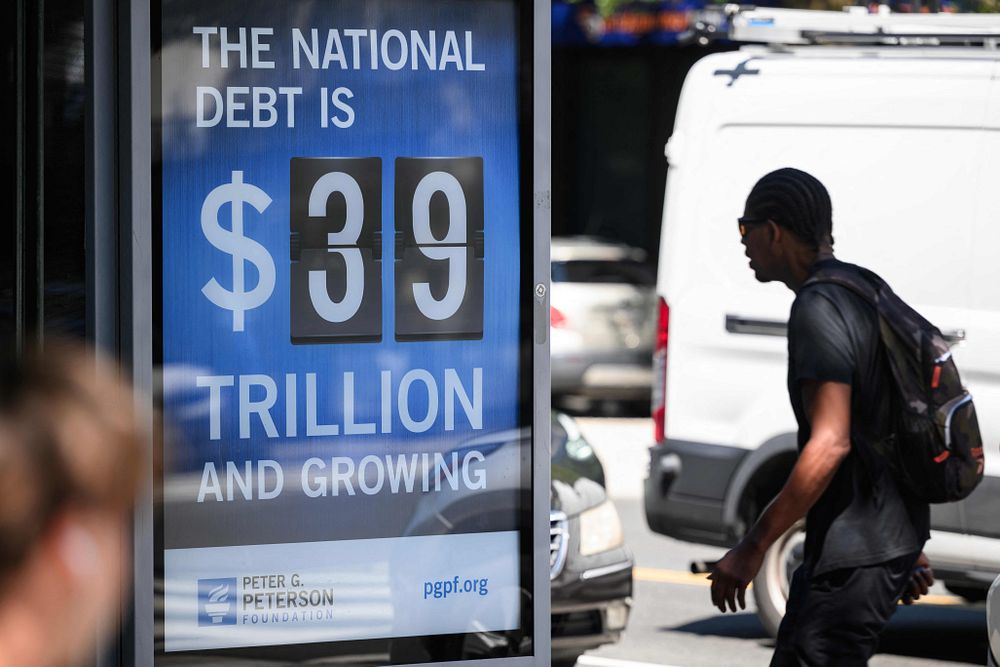
On August 18, the U.S. government debt crossed the $40 trillion mark, sparking concern over the nation's fiscal policy. The Congressional Budget Office reported large deficits, leading to a daily interest payment of $3 billion, totaling $963 billion from October 2025 to July 2026. Treasury data confirmed that the closing balance for the day was $40.04 trillion.
Budget experts have long called for reforms, with proposals ranging from halving annual federal deficits to 3% of GDP, to eliminating the national debt entirely. President Trump acknowledged the need for action, suggesting tariffs or visa policy changes. However, the White House has yet to propose a comprehensive solution.
Michael Peterson, chairman and CEO of the Peterson Foundation, warned that the country is already paying for the debt through higher interest rates, leading to increased household expenses. He explained that borrowing at such a large scale drives up borrowing costs, impacting mortgages, car loans, and credit card bills, as well as contributing to inflation.
While higher Treasury yields signal confidence in U.S. borrowing, debt hawks argue that other indicators suggest the budget must be reformed. Mandatory spending, including Social Security and Medicare, continues to grow, with the Social Security trust fund expected to run dry in eight years, and Medicare in seven years. Defense spending has also risen as the war with Iran persists.
The lack of urgency in addressing the debt is concerning, as even the financial markets' stability does not guarantee future security. Peterson emphasized that continuing to borrow irresponsibly is not a reasonable path to lead the country. Voters, however, are increasingly worried about the issue, with 94% of respondents in a July study expressing support for candidates with plans to address the debt.
Written by urgent.news from Fortune's reporting — not their text. Machine-written — may contain errors; check the original before relying on it.