NASA reluctantly abandons a space telescope rescue mission
NASA ends boosting mission to save the Swift space telescope after experiencing technical issues with Katalyst's rescue spacecraft.
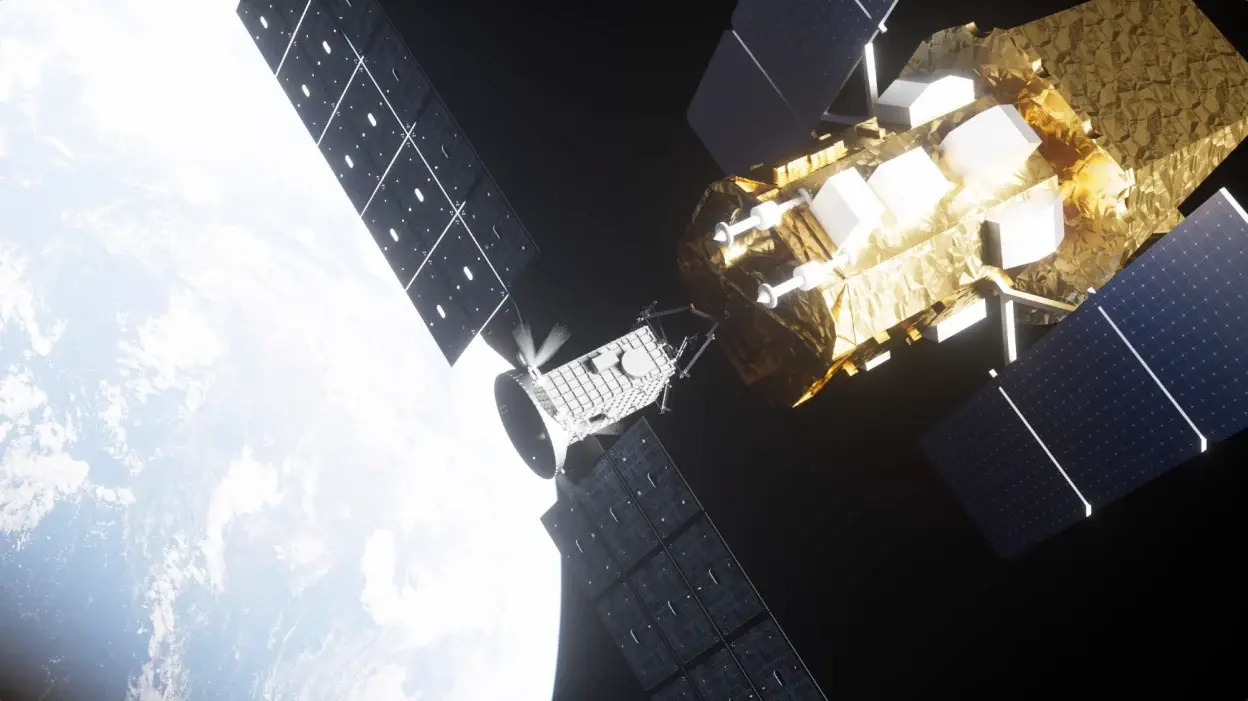
NASA's desperate effort to save a falling space telescope has come to an end, leaving researchers to mourn the imminent loss of a vital observatory later this year. The agency contracted Arizona-based Katalyst Space Technologies to construct a compact servicing spacecraft, dubbed LINK, which was to raise the Neil Gehrels Swift Observatory by 150 miles into a safer orbital location.
The team only had a year to build and plan the urgent mission, with the LINK spacecraft launching on a Northrop Grumman Pegasus XL rocket on July 3. However, persistent issues with LINK's attitude control system, the apparatus responsible for orientation, have prevented the mission from successfully capturing and boosting Swift, according to officials who announced the setback on Wednesday.
The demise of the NASA spacecraft, which will likely disintegrate in Earth's atmosphere within months, will result in the loss of a crucial telescope for detecting fleeting, one-time cosmic events. Without Swift, scientists will have fewer tools to study powerful explosions in the universe, such as gamma-ray bursts, as well as black hole flares and evolving comets.
NASA administrator Jared Isaacman expressed disappointment in a statement, emphasizing that the team moved with remarkable speed to provide Swift with an opportunity to continue its scientific pursuits while advancing satellite servicing capabilities for the future. Despite the mission's failure, Katalyst officials stated their intention to attempt a close flyby with LINK to test navigation and docking techniques for future satellite servicing missions, learning valuable lessons that will contribute to building a repeatable playbook for future rendezvous and proximity operations in space.
Written by urgent.news from Mashable's reporting — not their text. Machine-written — may contain errors; check the original before relying on it.