n_TOF experiment sheds light on ancient stardust
Niobium-94, an isotope of niobium with 41 protons and 53 neutrons, is a critical crossroads in the complex nuclear processes that forge heavy elements under the intense pressures and temperatures of dying stars. Writing in Physical Review Letters, the n_TOF Collaboration reports the first ever measurement of the probability of niobium-94 taking one of the […]
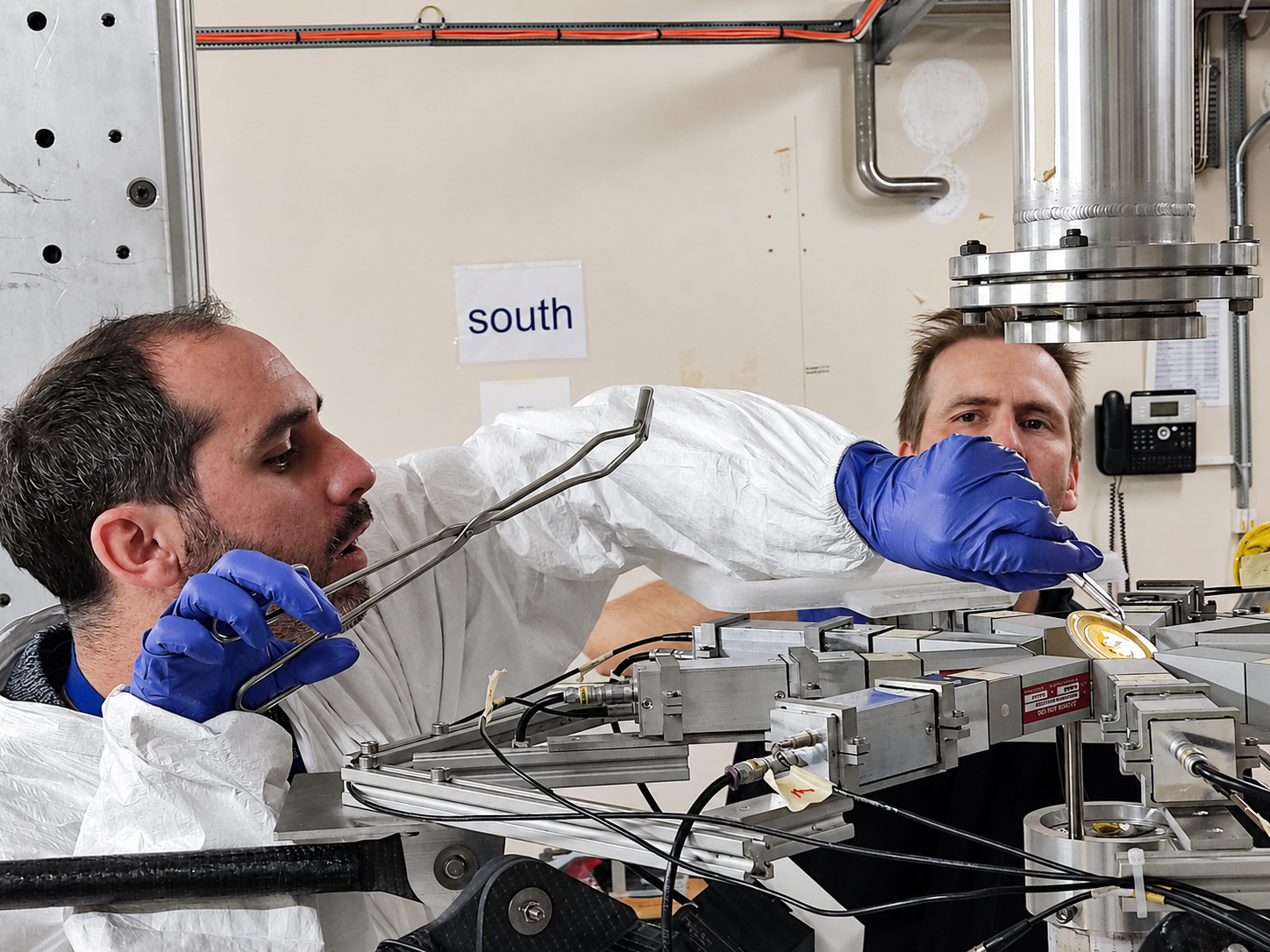
The n_TOF experiment at CERN has provided the first experimental determination of neutron capture by niobium-94, a critical step in understanding the composition of ancient stardust. Niobium-94, with 41 protons and 53 neutrons, plays a pivotal role in nuclear processes that forge heavy elements under the extreme conditions found in dying stars.
This discovery, published in Physical Review Letters, sheds light on the puzzling presence of excess molybdenum-94 in presolar grains, which survived the formation of the Sun and now exist on Earth within primitive meteorites. Presolar grains, containing more molybdenum-94 than theoretical models can explain, have intrigued researchers for years.
By examining niobium-94, a similar isotope but with one less proton and one more neutron, scientists aimed to understand the competitive processes of beta decay and neutron capture within a dying star. Measuring the neutron capture of niobium-94 presented significant challenges, including the production and characterization of the isotope.
Collaborative efforts by IFW Dresden, the Institut Laue-Langevin, and the Paul Scherrer Institute ultimately led to the creation of a stable and pure niobium-93 sample, which was converted into niobium-94 and meticulously analyzed at CERN's EAR2 station. The EAR2 station's powerful neutron source played a crucial role in detecting the faint signal of neutron capture from the niobium-94 sample.
While the new measurement aligns closely with previous theoretical estimates, it also reveals that the discrepancy between models and stardust data stems from limitations in older stellar models, rather than flawed estimates. Incorporating these findings into advanced stellar models reduces uncertainties and enables these models to better reproduce the observed molybdenum-94 abundances in ancient stardust.
Although significant progress has been made, another critical aspect of the puzzle remains unsolved: the beta decay process of niobium-94. Future experiments will focus on precise measurements of this nuclear decay to enhance understanding of the origin of molybdenum-94 and provide a clearer picture of the heavy element formation processes in stars.
Written by urgent.news from CERN's reporting — not their text. Machine-written — may contain errors; check the original before relying on it.