My house help’s experience, and a question: How can reservations go when caste hasn’t?
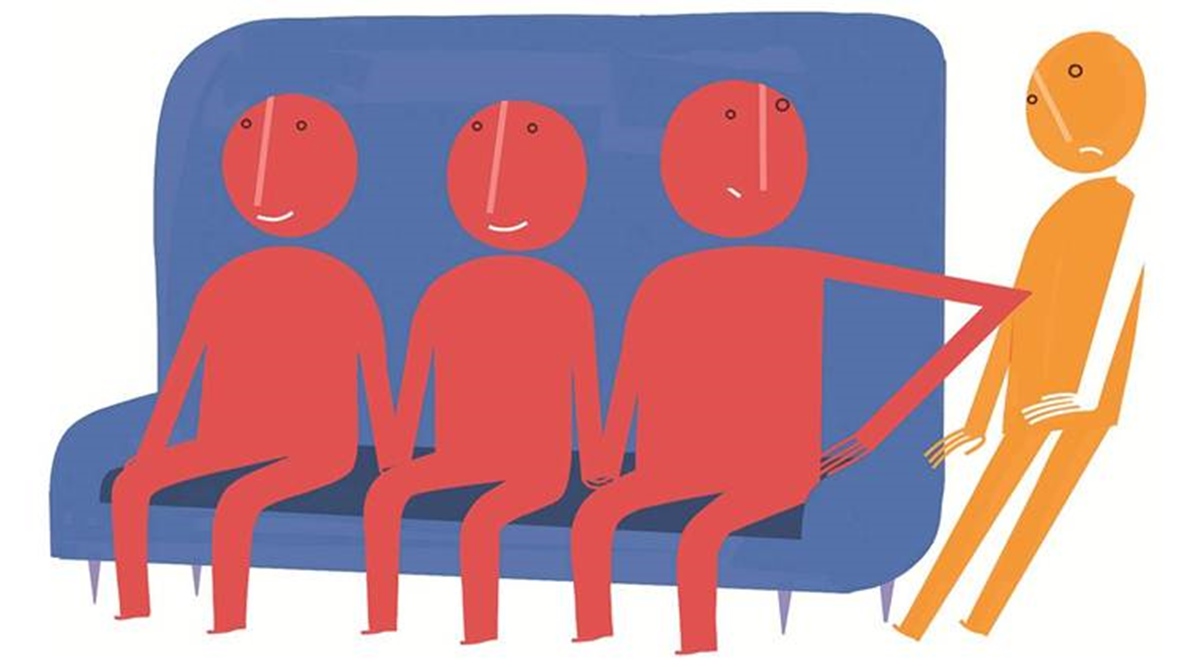
A few days ago, my mother had a conversation with our house help about her work and personal experiences. During their exchange, the house help revealed that she had frequently been turned away from job opportunities solely because of her skin color. In affluent areas of Gurugram, she found it particularly challenging to secure domestic work.
Her concerns were not unfounded, as many refusals seemed to stem from her appearance rather than her competence. This unsettling revelation came from someone who lived in a modern, prosperous city. It highlighted that even those living in affluent neighborhoods, working in prestigious corporations, and sending their children to top schools could harbor prejudices.
While my house help's personal experience alone cannot constitute a case of discrimination, her story raises a larger question about the persistence of social hierarchies. Our society often overlooks how deeply ingrained these hierarchies have become in our daily lives. Despite the Constitution's efforts to dismantle discrimination, the question remains: How much of our social structure has truly changed?
Historically, caste has been more than just an economic factor; it was a system that governed one's occupation, status, and even social acceptability. Its impact extended beyond financial disparities to include education, property ownership, and social interactions. Reservation is not merely a matter of correcting economic disadvantages; it is a response to a society where social identity has historically determined opportunities.
The argument that reservation should be based solely on economic criteria overlooks the fact that poverty and caste are distinct forms of disadvantage. A poor individual struggles due to a lack of resources, while a person facing caste discrimination encounters obstacles based on societal perceptions, regardless of their financial status. These two forms of disadvantage may intersect, but they cannot be equated.
As India approaches its 80th year of independence, it is crucial to ask uncomfortable questions about the true impact of reservation. It is not just about who receives a seat or a job but about ensuring that marginalized communities have genuine access to opportunities. Affirmative action aims to correct historical injustices, but its effectiveness depends on sustained efforts to dismantle the systemic biases that persist despite economic progress.
Written by urgent.news from The Indian Express's reporting — not their text. Machine-written — may contain errors; check the original before relying on it.