Moderna, Merck mRNA melanoma vaccine succeeds in first late-stage cancer trial
Personalized vaccine Intismeran combined with Keytruda reduced melanoma recurrence and spread in 1,137 high-risk patients, marking the first positive late-stage trial for an mRNA cancer vaccine
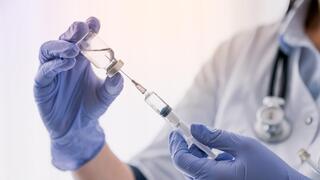
Moderna and Merck stocks experienced a significant increase on Wednesday following the announcement that a tailored mRNA treatment achieved its goal of preventing skin cancer recurrence or spread in a late-stage clinical trial. This development is crucial for both companies as it comes at a critical juncture for mRNA research, particularly after the Trump administration decreased funding for new vaccines and expressed concerns over the potential risks of the technology.
The personalized therapy, which could be commercially available next year, has the potential to be adapted for other types of cancer, including kidney, bladder, and pancreatic. The news of this success could lead to a remarkable turnaround for Moderna, whose market value had plummeted by over 90% after the decline in demand for its COVID vaccine post-pandemic.
In a recent interview with Axios, Moderna's president, Stephen Hoge, acknowledged that the company is transitioning from being predominantly a COVID vaccine company to focusing on cancer treatment. However, for those familiar with the current situation, it can be likened to a cancer-focused company swiftly pivoting to help combat COVID and then returning to its core cancer research.
Moderna's experimental treatment, called intismeran, was tested in combination with Merck's cancer drug Keytruda in over 1,100 patients with high-risk melanoma that had been surgically removed. The combination showed a clinically meaningful improvement compared to treating the skin cancers with Keytruda alone. This innovative approach essentially trains the immune system to target specific mutations in a patient's tumor, unlike chemotherapy which damages or destroys cancer cells.
Despite the positive results, the trial's full findings will be published at an upcoming medical conference. Nonetheless, Wall Street has reacted favorably to the news, with Moderna's shares jumping 177% and Merck shares closing up 12.6%. The combination treatment's safety profile was consistent with previous studies and showed no new risks, according to Moderna's president. The company's president, Stephen Hoge, emphasized that this result serves as significant validation for the mRNA platform.
This achievement comes amidst a challenging period for mRNA technology, with the FDA initially refusing to review Moderna's mRNA flu vaccine before reversing its decision. Hoge expressed his hope that this success will help shift the perception of mRNA from being solely associated with vaccines to a transformative therapy in cancer treatment.
Written by urgent.news from Axios's reporting — not their text. Machine-written — may contain errors; check the original before relying on it.
This story
This is one outlet's version. Read the fullest account.
- Moderna and Merck shares soar on mRNA cancer vaccine axios.com
- Moderna praised by Wall Street for the promised effectiveness of a treatment using messenger RNA against skin cancer lemonde.fr
- How Moderna's melanoma mRNA vaccine could fight deadliest skin cancer cbsnews.com
- Moderna, Merck breakthrough could usher in wave of cancer vaccines japantimes.co.jp
- Promising Results for mRNA Cancer Vaccine from Moderna and Merck time.com
- Biotechs hit a post-pandemic high after mRNA trial win for Moderna, Merck seekingalpha.com
- Moderna shares double after experimental mRNA cancer treatment passes key test gulfnews.com