Middle East war: Indian refiners forced to buy oil at premium; Russian discounts vanish
The surge in available crude following the temporary truce had also increased the discounts offered on Russian and Venezuelan oil. Since then, the discount on Russian crude has largely disappeared, while the price reduction on Venezuelan barrels has narrowed substantially.
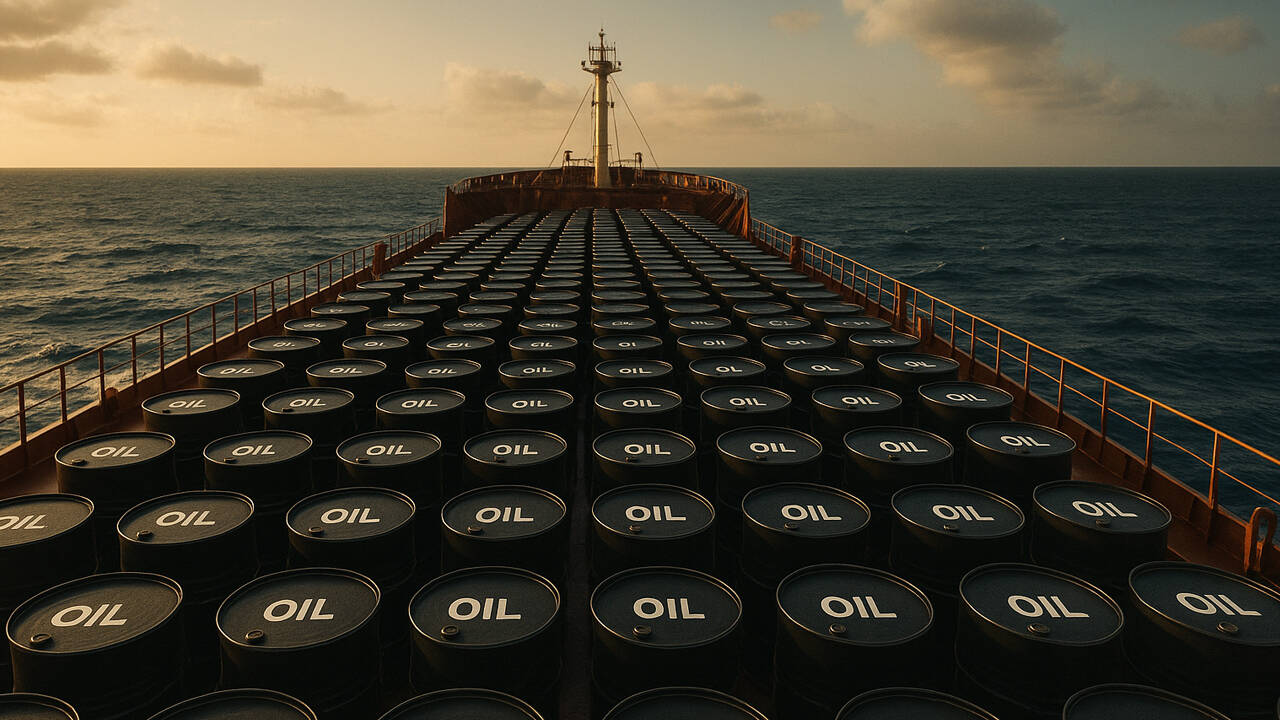
Indian oil refiners are currently obliged to purchase crude at elevated prices, marking a stark departure from the situation observed several weeks ago when global oil prices had declined. Presently, the cost of crude they acquire is escalating at a faster pace than global benchmarks. This is attributed to dwindling physical supplies, which are driving up premiums for barrels originating from the Gulf and West Africa.
Simultaneously, discounts on Russian crude have vanished, while the advantage of Venezuelan oil has narrowed significantly.
The Brent futures have risen by approximately $10 per barrel over the past two weeks, surpassing $91 a barrel as of Tuesday. The physical crude markets are experiencing heightened pressure, bolstering the suppliers' bargaining power and compelling Indian refiners to increasingly rely on costly spot purchases to secure Gulf supplies.
A refinery executive disclosed to ET that suppliers are now requesting premiums of $3-4 per barrel over the Dubai-Oman benchmark, which itself is trading at a premium of $6-7 per barrel to Brent.
Consequently, Indian refiners are now paying roughly $10 a barrel more than Brent for Gulf crude. Saudi Aramco's official selling prices for their various crude grades, which are $1.5-3 per barrel lower than Dubai-Oman, provide limited respite. Disruptions in the Red Sea and Strait of Hormuz have diminished the supply of crude under term contracts, as per industry executives.
Consequently, Indian refiners are increasingly turning to the spot market to purchase Gulf crude, where traders, including the trading divisions of Gulf national oil companies, are demanding additional premiums.
These traders assume greater risks in transporting cargoes through the turbulent waters, often employing dark fleets and ship-to-ship transfers. As a result, the premiums demanded reflect these heightened risks. Term-contract crude is supplied on a free-on-board (FOB) basis, but the availability of vessels prepared to enter ports in the conflict-affected region is insufficient, according to the executives. West African crude, another crucial source for Indian refiners, has also seen an increase in premiums.
Written by urgent.news from Times of India's reporting — not their text. Machine-written — may contain errors; check the original before relying on it.
This story
This is one outlet's version. Read the fullest account.