MicroSD card torture test writes 133 petabytes of data across 351 cards over three years — cards tested to failure reveal SanDisk as the outlier with 6 failures of the 7 tested
Matt Cole has been running hundreds of microSD cards through their paces, running them through thousands of cycles until they fail. The results are quite surprising, with both the winners and losers coming from some of the most unexpected brands.
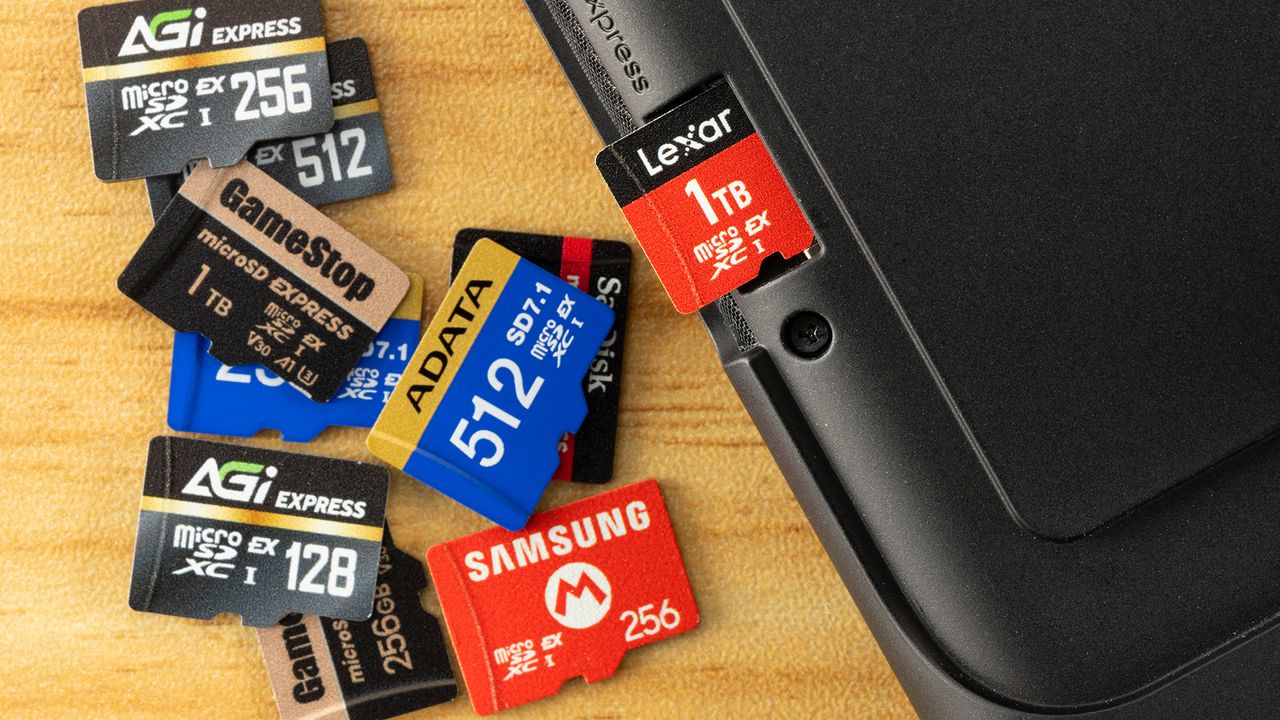
Tech enthusiast Matt Cole has conducted an extensive microSD card torture test, pushing 351 cards through their limits over the course of three years. The results show that SanDisk was the outlier, with six out of the seven tested cards failing. Cole's setup included a single Beelink Mini-S, five TRIGKEY Green G4 mini-PCs, an AOOSTAR mini-PC, an MSI laptop, a Lenovo laptop, and an ASUS laptop, all running around-the-clock to test the cards' endurance.
The cards were categorized into consumer-grade, high-endurance, and industrial-grade, with high-endurance and industrial-grade cards being more expensive and intended for heavy-duty use. The test revealed that consumer-grade cards typically withstand 10,000 program/verify/erase cycles, with top-performing brands being PNY, Kingston, Delkin Devices, Lexar, and Samsung.
However, the study also highlighted some brands that performed poorly, including ADATA, Gigastone, Micro Center, and Silicon Power. Despite the high cost and complexity of the project, Cole continues to push the boundaries of microSD card durability.
Written by urgent.news from Tom's Hardware's reporting — not their text. Machine-written — may contain errors; check the original before relying on it.