Master Plan for Delhi-2047: Changes to slum rehab framework
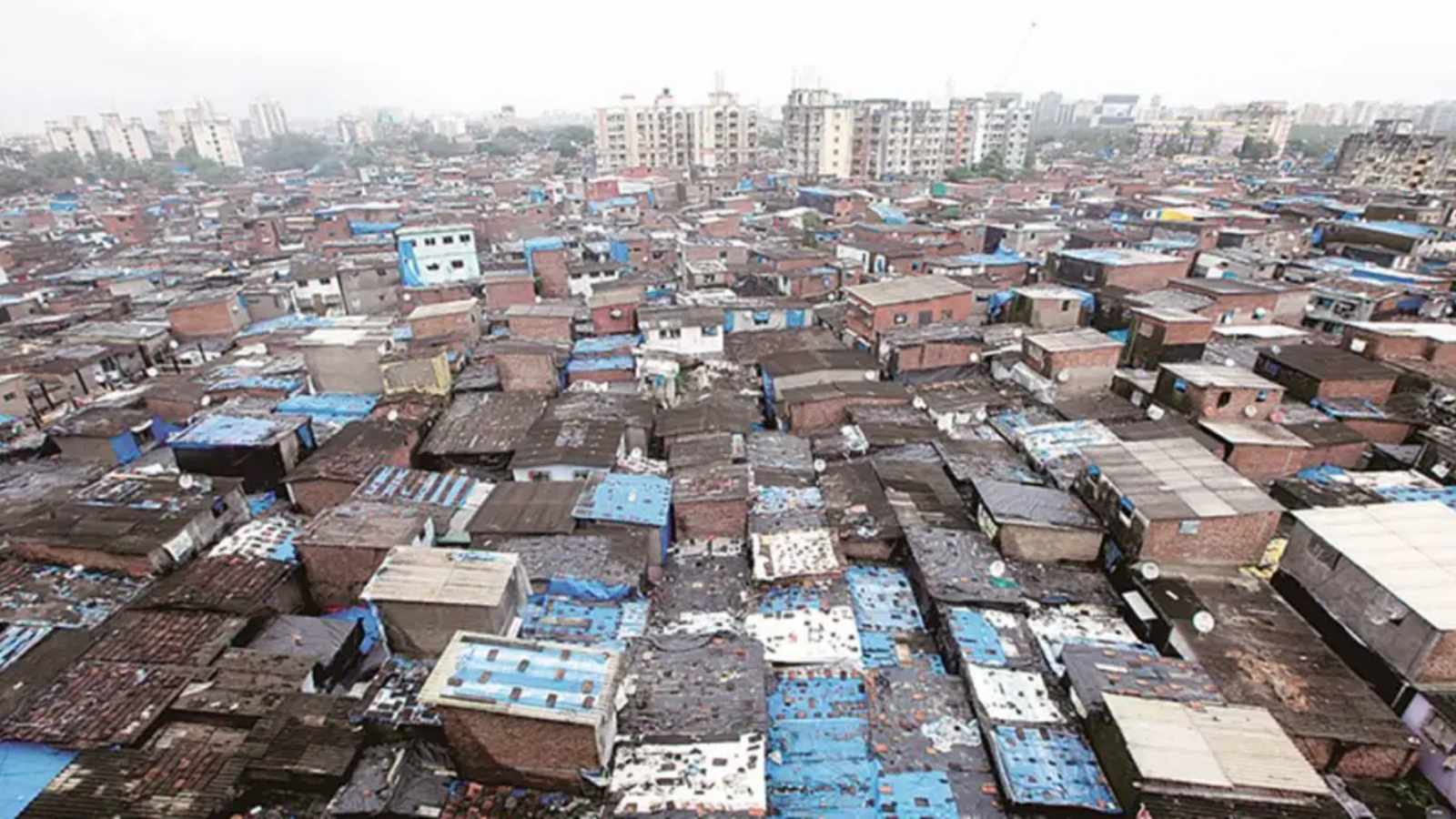
Delhi's new slum rehabilitation framework, outlined in the draft Master Plan for Delhi (MPD)-2047, offers private developers increased incentives to undertake projects that have lagged behind. Under the plan, developers can build high-rises on slum land and sell a larger portion of it for profit through a public-private partnership (PPP) model.
This change comes after the Delhi Assembly passed amendments to the Delhi Urban Shelter Improvement Board (DUSIB) Act, expanding eligibility criteria to virtually include all slum dwellers. These amendments extended the cut-off date for eligibility by 10 years, meaning those living in units that existed on or before January 1, 2025, are now eligible for rehabilitation.
Currently, Delhi has around 750 slums, with half located on land owned by union government agencies and the other half on land owned by the Delhi government, with DUSIB serving as the nodal agency for rehabilitation. The rehabilitation process has been slow, with only two in-situ projects completed so far. The new MPD-2047 aims to make the PPP model more attractive by increasing the Floor Area Ratio (FAR) for both rehabilitation and commercial components to 500, up from 400 and 300 in the previous drafts.
Additionally, the proportion of land for commercial sale has increased from 40% to 60%, while the minimum share of land for rehabilitation has fallen from 60% to 40%. Developers are expected to benefit from the higher FAR and greater commercial land use, which should encourage participation in the rehabilitation process.
Written by urgent.news from The Indian Express's reporting — not their text. Machine-written — may contain errors; check the original before relying on it.