'Like living in the desert': Syrians brave dangers to return home in heavily shelled neighbourhoods
Nazir Abu Khadouj returned to Jobar near Damascus with his daughters three months ago, after his wife died. All that is left of his home are parts of the walls. The floor tiles and fittings were stripped and looted during the civil war. The Syrian father of three planted roses around his old patio and a vegetable patch on the street. “I was living in Ghouta [in the Damascus countryside]. We moved…
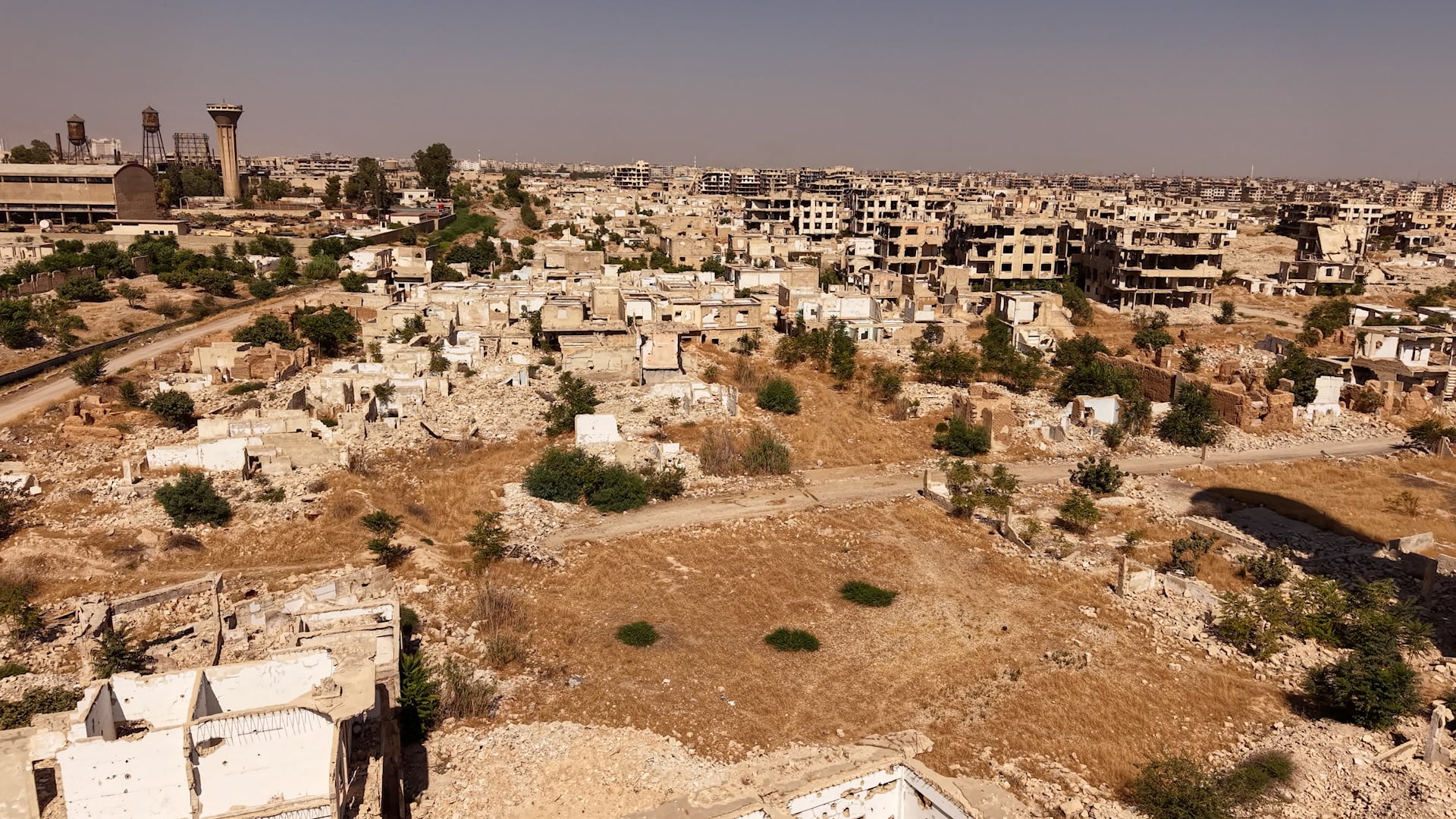
Nazir Abu Khadouj returned to the heavily damaged neighborhood of Jobar near Damascus with his three daughters three months after losing his wife. His home now resembles a ruins with only parts of the walls remaining and all fittings and floors looted during the civil war. Despite the dangers, Abu Khadouj continues to plant roses and cultivate vegetables outside his home, confident that the risk of unexploded devices has been removed.
The neighborhood, once bustling with 300 people passing by every half hour, is now deserted. Demining experts warn that the area is not yet safe due to unexploded bombs, crumbling buildings, and tunnels beneath buildings. However, Abu Khadouj dismisses the danger, attributing it to mines and unexploded devices removed by local civil defense workers.
The local council member Abdul Hamid Douara discovered two unexploded devices near a staircase, which were promptly removed by the council. Despite the risks, at least 800 people, mainly children, have been killed by mines and unexploded devices since the collapse of the Assad regime. Rising rents in Damascus are pushing residents to return to their homes, despite the dangers, as landlords seek to reclaim their properties.
Written by urgent.news from The National UAE's reporting — not their text. Machine-written — may contain errors; check the original before relying on it.