La inflación de la eurozona sube al 2,9% en julio: el diferencial desfavorable para España se amplía a un punto porcentual
La tasa de inflación interanual de la zona euro aumento una décima el mes pasado hasta 2,9% también en el conjunto de la Unión Europea donde alcanza el 3%, según el dato confirmado hoy por Eurostat. Leer
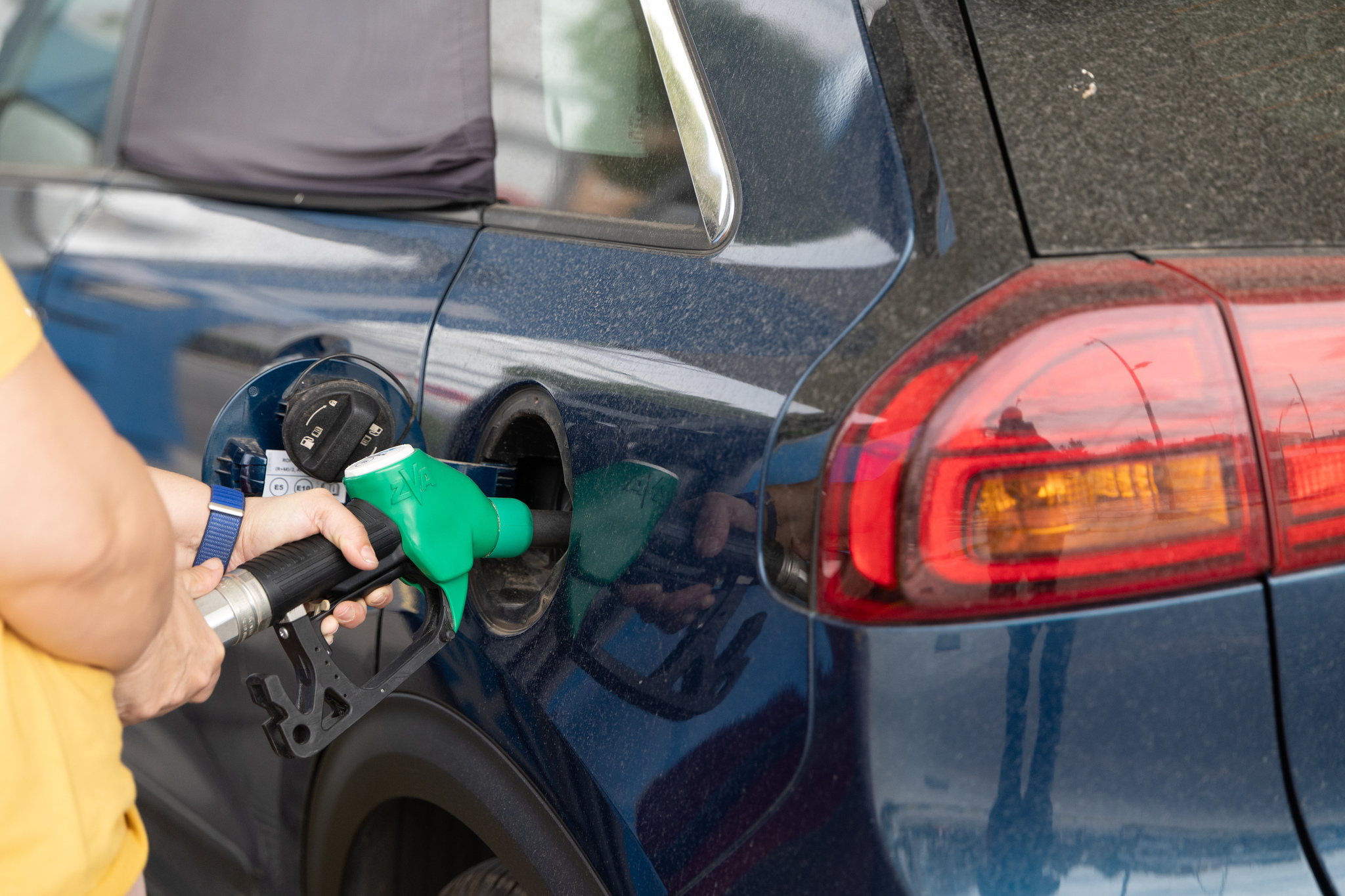
The annual rate of inflation in the eurozone rose to 2.9% in July, according to data released by Eurostat. This marks a 10% increase from the previous month, bringing the overall European Union rate to 3%. The surge in prices is driven by a 10.3% rise in energy costs, up from an 8.5% increase the month before. Fresh food prices increased by 2.4%, a 7% drop from June, while industrial goods not related to energy rose by 0.9% year-over-year, compared to a 0.7% increase in June. Services prices climbed by 3.3%, a 10% rise from the prior month.
Excluding the impact of energy, the eurozone's inflation rate stands at 2.2%, matching the rate from the previous month. The underlying inflation rate, which also excludes fresh food, alcohol, and tobacco, increased by 10% to 2.5%. Across the 27 member states, inflation decreased in 15, remained steady in three, and rose in nine.
In July, Spain's inflation rate reached 3.9%, 3 percentage points higher than in June, making it the highest among the major euro economies. France had a rate of 2.4%, Germany 2.8%, and Italy 2.9%.
Spain's disadvantage compared to the eurozone average widened to one percentage point in July, up from 8 percentage points in June. The lowest annual inflation rates were recorded in Sweden (0.3%), the Czech Republic (1.3%), Denmark, and Hungary (both at 1.6%). Romania experienced the most significant year-over-year price increases, with an 8.2% rise, followed by Lithuania (5.4%) and Cyprus and Bulgaria (both at 4.4%).
European Central Bank (ECB) chief economist Philip Lane predicted that eurozone inflation would hover around 3% for the rest of 2026, although the evolution of prices would largely depend on resolving the crisis in the Middle East. Lane mentioned that weather phenomena like El Niño could have a more significant upward pressure on inflation, particularly in 2027, with food price hikes likely to be a major driver of inflation in the coming year.
Written by urgent.news from Expansion ES's reporting — not their text. Machine-written — may contain errors; check the original before relying on it.