Keen to plant native flowers in your garden? We asked an expert for tips
We often think that native plants thrive on little water and poor soil, but according to our expert it takes a bit more TLC than that, at least to get them started.
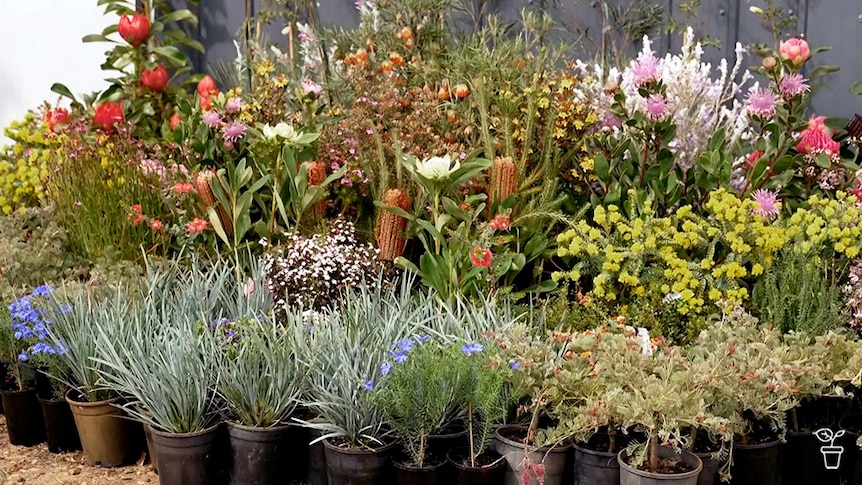
This National Science Week, the focus is on native wildflowers. However, growing these beauties in your garden can be a bit of a challenge, especially if you're accustomed to caring for non-native plants. Digby Growns, a plant breeder at King's Park and Botanic Garden, advises against expecting all native plants to be low-maintenance or similar in their care requirements. Each plant has its own unique needs, depending on their origin - from deserts to rainforests across Australia.
Understand where your plant originates from, as this helps in avoiding beginner mistakes. For instance, West Australian plants generally require well-drained, sandy soil. Kangaroo paws, native to southern Western Australia, have been bred to adapt to different conditions. While their original form requires specific climate and soil, hybrid cultivars can thrive widely.
The amount of time you can dedicate to gardening also influences your choice of plants. Some natives, like basket grass and bottlebrushes, need minimal upkeep, while others, such as native orchids, demand more attention.
Some Australian natives only bloom after a bushfire, including certain species of the flannel flower and kangaroo paws. In such cases, seeds need smoke water or aerosol smoke treatment to germinate, though pre-smoked nursery seeds remove the need for fire.
While some natives can be started from seeds, many can also be propagated from cuttings, including Calytrix and melaleucas.
Regardless of the plant, watering is crucial. It's a misconception that Australian natives don't need watering. However, if you prefer a low-water garden, choose plants from similar rainfall and weather patterns. In gardens with diverse water requirements, supplementary irrigation is necessary, using drip irrigation and deep soakings during warmer weather.
Pruning is beneficial for many natives. Trim immediately after flowering unless seed collection is desired, removing up to a third of the growth, but avoid cutting down to bare wood without leaves.
Certain plants from the Proteaceae family, like banksias, grevilleas, and hakeas, are sensitive to phosphorous in fertilizers. Use low-phosphorous fertilizers for these plants to avoid toxicity. Top-dressing containers of native plants with a slow-release fertiliser formulated for Australian plants every six months is also recommended.
Lastly, seek advice from a specialist nursery, as not all big chain stores have knowledgeable staff about native plants.
Written by urgent.news from ABC News AU's reporting — not their text. Machine-written — may contain errors; check the original before relying on it.